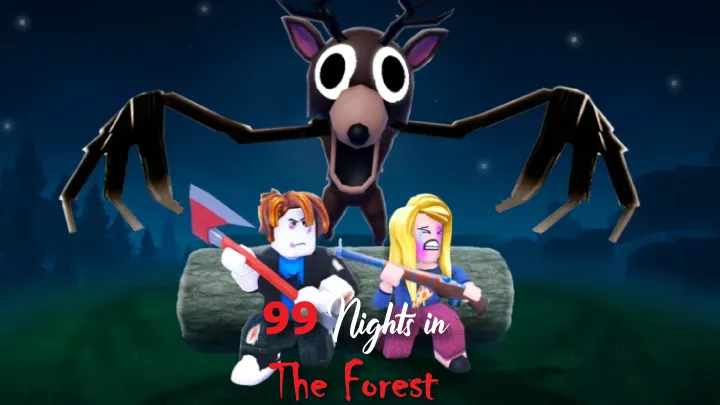






The game 99 Nights in the Forest challenges players to endure long nights in an eerie, ever-changing wilderness. With survival mechanics, mystery-driven exploration, and dynamic encounters, it’s more than just a test of stamina—it’s a battle of strategy, timing, and resource management. This guide is designed to provide practical tips and structured guidance, helping new and veteran players progress across the 99 nights with clarity. From the first steps into the dark forest to the ultimate victory, we’ll cover the most effective ways to survive, adapt, and thrive.
The First Night – Setting Foot in the Forest
On your first night, the primary goal is to familiarize yourself with the forest’s atmosphere. New players often panic when they encounter darkness and strange noises, but survival is about pacing yourself and observing. Gather basic resources like wood, stones, and edible plants before darkness fully sets in.
Another critical element is locating a safe area for your base. Choose a spot with natural barriers like cliffs or rivers for protection. Building your first campfire not only keeps you warm but also wards off certain threats lurking in the dark.
Early Survival – The First Ten Nights
During the first ten nights, your main objective is to establish a stable rhythm. Focus on food, water, and shelter. Mushrooms, berries, and small animals are your early sources of sustenance, but be cautious—some items may be poisonous or energy-draining.
Crafting Essentials
Tools like axes, knives, and torches will make survival easier. Crafting should become second nature by night five, ensuring you’re never unarmed when danger approaches.
Basic Defense
Enemies in the early nights are weak, but they test your awareness. Learning how to dodge and counter is crucial for what lies ahead.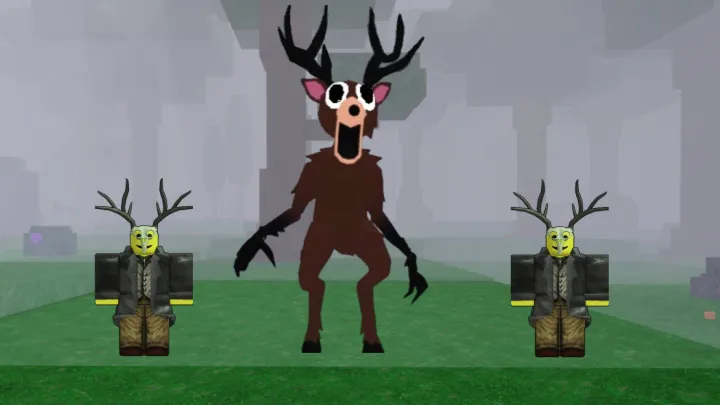
Midgame Survival – Nights 11 to 30
As the nights stretch on, enemies become more aggressive. By this point, your camp should be fortified with traps and reinforced barriers. Food supplies should transition from foraging to hunting and cooking, providing more reliable energy.
You’ll also notice the forest growing darker and more alive. Shadows become deceptive, and you may encounter random events like wandering spirits. Maintaining mental composure is as important as physical survival.
Exploration Tip
Start exploring beyond your immediate area. Hidden groves and ancient ruins often contain rare items that will help later in the game.
Resource Management – The Backbone of Survival
Managing resources effectively separates casual survivors from long-term players. Wood, stone, food, and crafted tools should be stockpiled. A disorganized inventory often leads to fatal mistakes when danger strikes suddenly.
Create multiple storage systems. One for food, one for tools, and another for rare artifacts. Labeling and organizing saves valuable seconds during emergencies.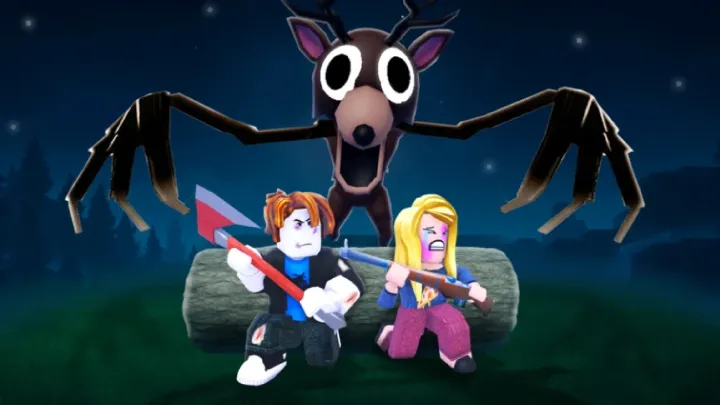
Advanced Crafting and Upgrades – Nights 31 to 50
By this stage, you should master advanced crafting. Weapons like reinforced spears or bows allow you to fight stronger enemies. Armor becomes necessary, crafted from animal hides or mystical elements found deeper in the forest.
Upgrade Path
- Reinforced tools → improved efficiency
- Stronger armor → resistance against elite enemies
- Magical items → unlock hidden powers
Your survival odds increase drastically once you adopt an upgrade-first mentality.
Enemy Encounters – Mid to Late Game
From night 40 onward, you’ll face elite enemies. These foes are smarter, faster, and coordinated. Some may even attack your base directly, forcing you to defend strategically rather than blindly fight.
Combat Tips
- Always carry backup weapons.
- Use traps before engaging directly.
- Conserve stamina for counterattacks.
Understanding enemy patterns is crucial. Each type has unique weaknesses—study them carefully.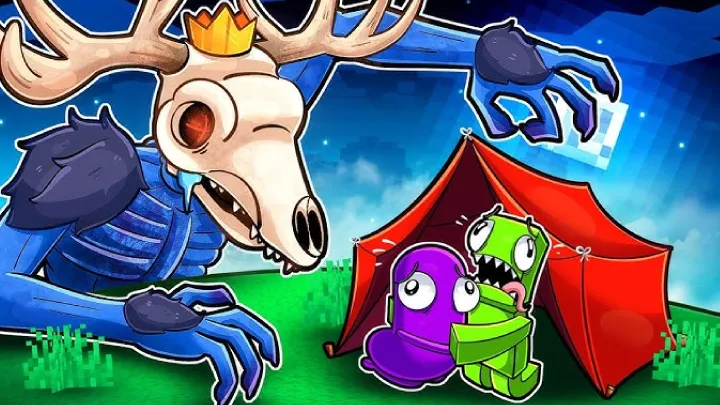
Exploration and Hidden Secrets – Nights 51 to 70
This period unlocks the forest’s deeper mysteries. Strange monuments and cryptic ruins offer lore, puzzles, and rare rewards. Exploration is risky, but the rewards often outweigh the dangers.
Take notes of landmarks and paths. The forest shifts subtly, making it easy to get lost. Building temporary campfires as trail markers is a smart move.
Maintaining Sanity – Psychological Survival
One overlooked aspect is mental endurance. As the nights go by, isolation and fear chip away at your character’s sanity. Hallucinations may blur reality, making it harder to distinguish friend from foe.
Ways to Stay Sane
- Keep a steady routine of rest and exploration.
- Stay near light sources during dark phases.
- Use crafted charms or artifacts to stabilize the mind.
Your mental health directly impacts gameplay efficiency—ignore it, and survival becomes nearly impossible.
Preparing for the Final Stretch – Nights 71 to 90
With only a few nights remaining, preparation becomes paramount. Stockpile food, reinforce defenses, and ensure your weapons are upgraded to maximum strength. The enemies you face now will be relentless.
This stage is about endurance. Mistakes that were forgivable in earlier stages now mean certain death. Every action must be calculated, every resource accounted for.
The Final Nights – Reaching Victory
The last nine nights are the culmination of everything you’ve learned. Boss-level enemies, environmental hazards, and relentless assaults test your every skill. The key is patience—don’t rush into fights unnecessarily.
Victory Strategy
- Defend rather than attack aggressively.
- Use every crafted item wisely.
- Conserve stamina for the last confrontation.
Reaching night 99 isn’t just about survival—it’s proof of mastery. The sense of accomplishment is unmatched, rewarding all the careful planning and persistence.
Conclusion
99 Nights in the Forest is more than a game of endurance—it’s a layered survival experience testing resource management, exploration, and psychological strength. By following these structured tips and guides, players can not only last through each night but also discover the deeper meaning of the journey. Mastery requires patience, adaptability, and the courage to push forward even when the forest seems overwhelming.