



Baldur's Gate 3 is a story-driven RPG set in the Dungeons & Dragons universe, combining deep narrative, tactical turn-based combat, and character-driven decisions. Players explore rich environments, battle enemies, and shape the story through choices and dialogue.
This guide provides tips on character creation, combat strategies, spellcasting, exploration, party management, and long-term progression to excel in Baldur's Gate 3.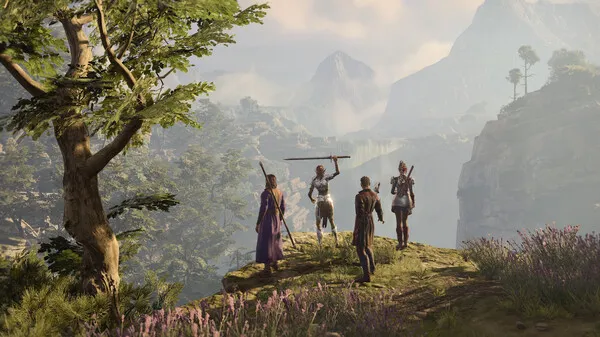
1. Getting Started
- Understanding the basics
- Familiarize yourself with movement, interaction, and combat mechanics.
- Learn the interface and party controls.
- Explore tutorials to understand turn-based combat and dice rolls.
- Character creation
- Choose race, class, and background to match your playstyle.
- Consider abilities, spells, and proficiencies for long-term strategy.
- Balance party composition for versatile combat options.
2. Party Management
- Party composition
- Mix melee, ranged, and spellcasting characters.
- Include support roles for healing and utility.
- Positioning and roles
- Position units to maximize effectiveness.
- Assign roles for exploration, combat, and interactions.
3. Combat Strategies
- Turn-based tactics
- Use terrain and cover to your advantage.
- Plan attacks and abilities based on enemy weaknesses.
- Action economy
- Manage movement, attacks, and bonus actions efficiently.
- Coordinate attacks between party members for combos.
4. Spellcasting and Abilities
- Spell selection
- Choose spells suited for your class and combat style.
- Balance offensive, defensive, and utility spells.
- Ability usage
- Exploit enemy vulnerabilities with abilities.
- Use status effects strategically to control the battlefield.
5. Exploration
- Environmental interactions
- Examine surroundings for hidden items, traps, and secrets.
- Use spells and abilities to manipulate terrain.
- Dialogue choices
- Engage with NPCs for quests and information.
- Make choices carefully as they impact story and outcomes.
6. Equipment and Inventory
- Weapons and armor
- Equip characters according to their combat roles.
- Upgrade and maintain gear for peak performance.
- Consumables
- Use potions, scrolls, and other items wisely in battles.
- Stock up before difficult encounters or exploration.
7. Quest Management
- Main and side quests
- Track objectives to progress the story efficiently.
- Complete side quests for experience, items, and rewards.
- Strategic decisions
- Plan quest order for optimal story impact.
- Consider long-term consequences before making choices.

8. Enemy Analysis
- Understanding enemy types
- Recognize resistances, weaknesses, and attack patterns.
- Prioritize high-threat targets first.
- Counter-strategies
- Use terrain, spells, and abilities to gain advantage.
- Plan movements and attacks to minimize party damage.
9. Long-Term Progression
- Leveling up
- Allocate ability points and skill proficiencies carefully.
- Balance character growth across combat and utility.
- Party synergy
- Ensure characters complement each other’s abilities.
- Rotate spells, skills, and equipment for adaptability.
- Exploration and resource management
- Gather valuable loot and resources for crafting and combat.
- Plan for long-term objectives and story progression.
10. Advanced Strategies
- Tactical positioning
- Utilize high ground and choke points in battles.
- Protect vulnerable units while maximizing damage output.
- Combo attacks and crowd control
- Chain abilities and spells for devastating effects.
- Control enemy movement and status to gain the upper hand.
- Adaptability
- Adjust strategies depending on enemy composition and terrain.
- Switch spells, abilities, and equipment to counter threats.
Pros and Cons of Baldur's Gate 3
Pros
- Deep narrative with player-driven choices.
- Tactical, turn-based combat with complex strategies.
- Rich character customization and party management.
- Immersive D&D-inspired world with exploration and quests.
Cons
- Can be complex and overwhelming for newcomers.
- Requires time investment to fully explore and master.
- Some battles may require careful planning and retries.
Conclusion
Baldur's Gate 3 offers a richly detailed RPG experience combining turn-based combat, tactical strategy, and a branching narrative. By mastering party composition, combat, spells, and exploration, players can navigate both story and battle effectively.
Strategic thinking, adaptability, and careful resource management are key to success in Baldur's Gate 3.
Final Rating
Baldur's Gate 3 – 9.5/10
An immersive and strategic RPG blending tactical combat, deep story, and character-driven choices for both casual and hardcore players.