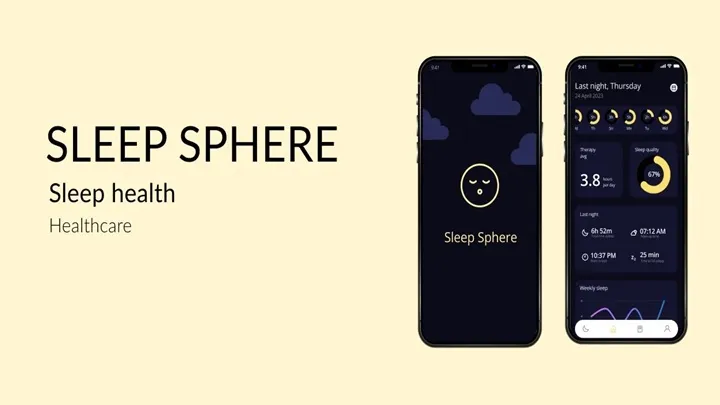







Introduction to Mental Health Apps
In today’s fast-paced world, maintaining mental health has become just as important as taking care of physical well-being. Stress, anxiety, and burnout are no longer rare experiences—they are daily challenges for millions of people. Fortunately, the rise of digital health technology has made mental health support more accessible than ever. Mental health apps are designed to provide guidance, tools, and resources to help users manage stress, improve focus, and build healthier emotional habits.
These apps cannot replace professional therapy but they do play an essential role in creating daily support systems. With interactive exercises, mindfulness practices, mood tracking, and guided meditations, they can empower individuals to develop resilience and lead calmer lives.
This article explores the best 5 mental health apps worth trying in 2025. Beyond that, we will also discuss how they work, who benefits most, and why they have become central to the digital wellness movement.
Why Mental Health Apps Matter in Daily Life
Mental health apps are more than simple digital tools. They are companions that offer on-demand support whenever you need it. Unlike traditional therapy sessions that require appointments and can be expensive, these apps make self-care more accessible and affordable.
From quick breathing exercises before a stressful meeting to structured therapy-style programs that last weeks, mental health apps adapt to individual needs. For people who may not feel ready to see a therapist in person, they also provide a safe starting point to explore self-improvement.
1 Headspace
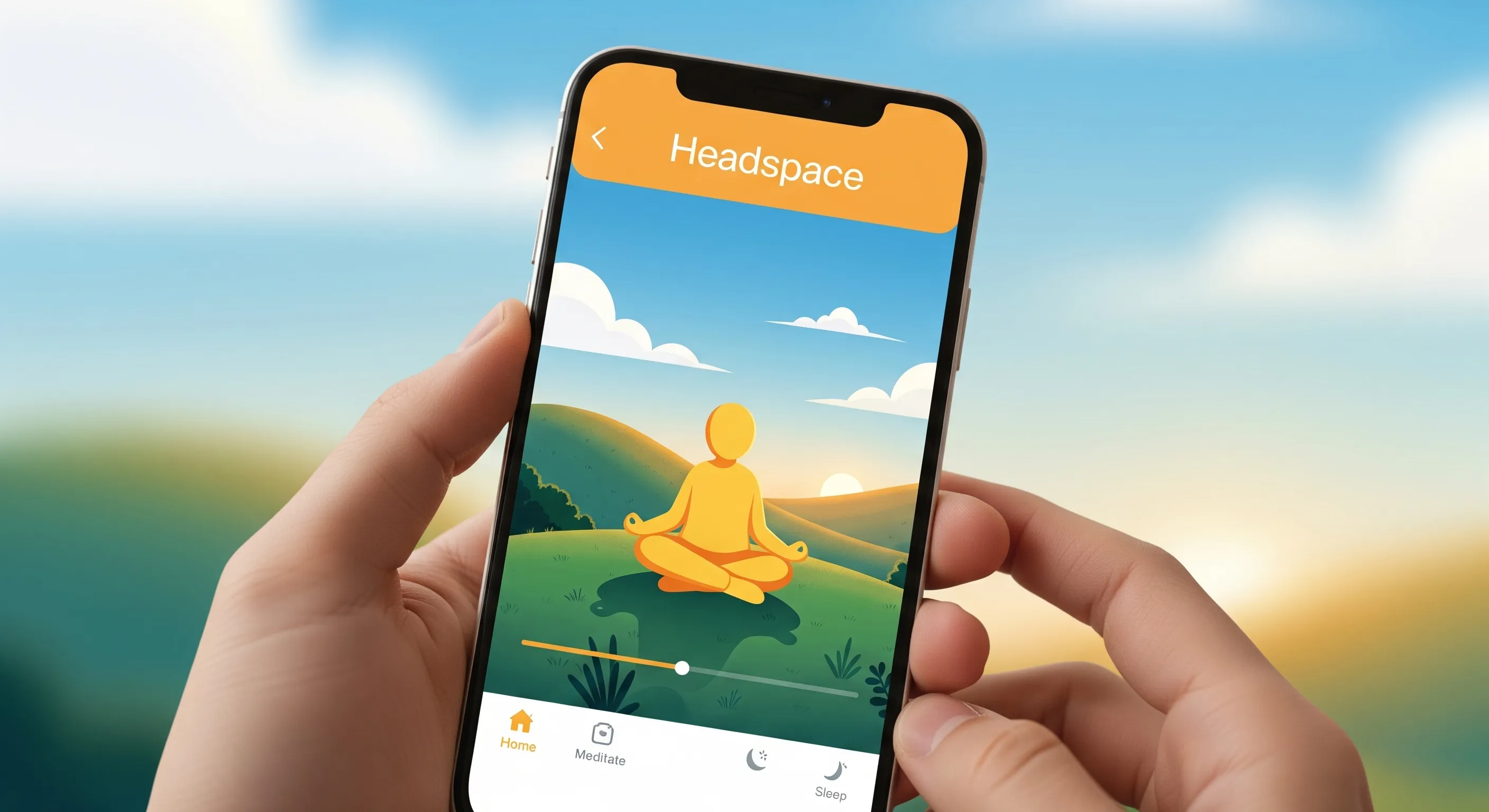
Headspace is one of the most well-known mindfulness and meditation apps available today. Its user-friendly design and high-quality guided meditations make it a perfect choice for beginners as well as advanced users.
The app focuses on helping users reduce stress, sleep better, and improve concentration through daily meditation exercises. Programs range from short one-minute breathing sessions to 30-minute deep meditations. Headspace also offers sleep sounds and stories that create a relaxing environment for winding down at night.
What makes Headspace particularly effective is its structured approach. Instead of overwhelming users with hundreds of exercises at once, it provides step-by-step journeys that build habits gradually. For someone new to mindfulness, this is the perfect way to create a lasting routine.
2 Calm
Calm is another leading app in the mental health and wellness space. Its strength lies in its variety—offering meditation, sleep, relaxation, and focus features in one place.
The app provides soothing sounds of nature, breathing exercises, and bedtime stories narrated by celebrities. These features make it appealing not just to adults but also to children who may struggle with stress or sleep. Calm’s sleep stories, in particular, are one of its most loved elements, turning restless nights into peaceful experiences.
Calm also includes masterclasses led by experts in psychology and wellness, offering more depth than a typical meditation app. With its holistic approach, Calm has become a go-to app for anyone seeking to reduce daily stress and anxiety.
3 BetterHelp
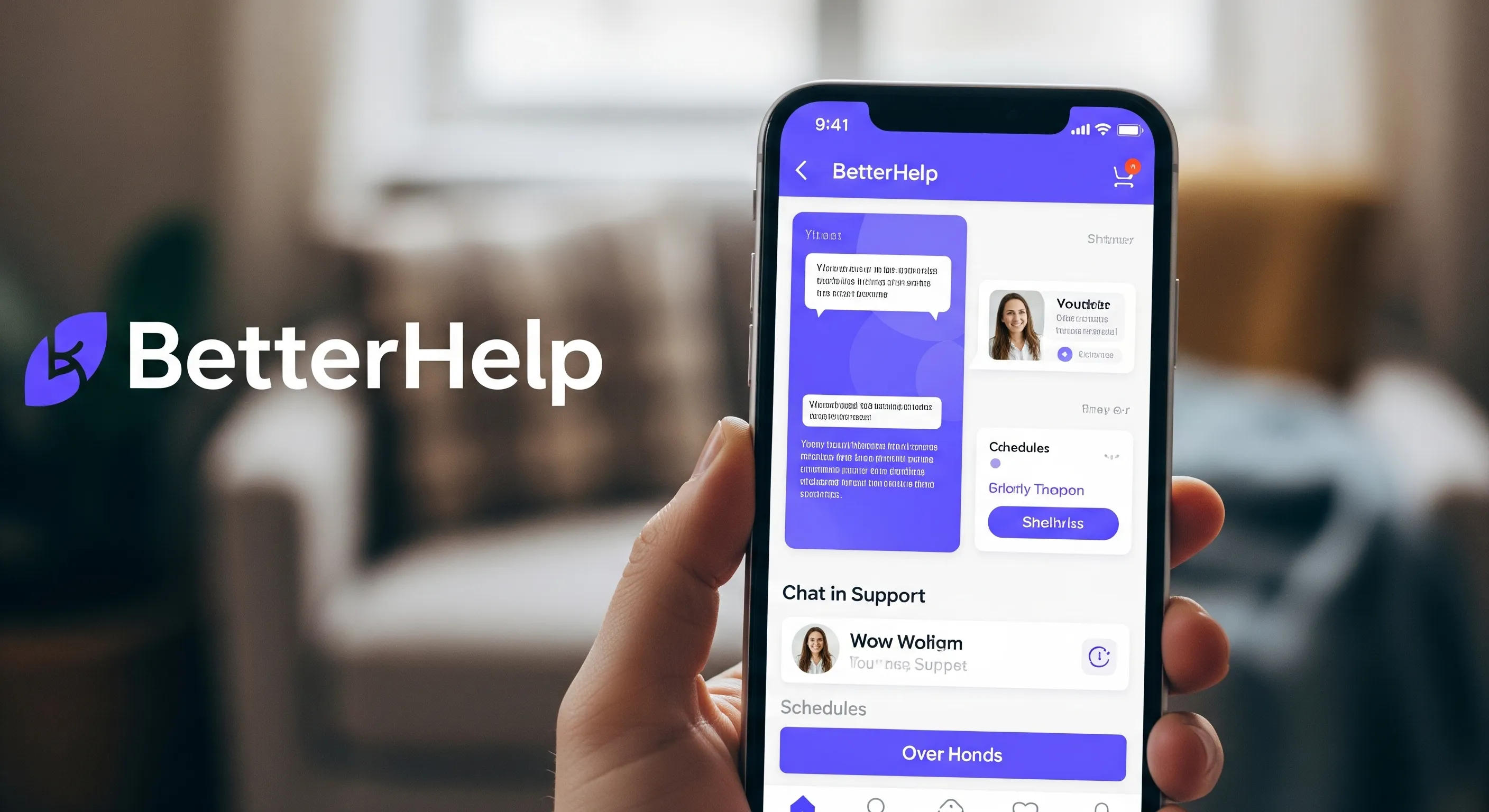
BetterHelp is not just a self-help tool but a platform that connects users with licensed therapists. It brings professional therapy sessions directly to your phone or computer, eliminating traditional barriers like travel and scheduling.
Users can communicate with their therapists through video calls, phone sessions, or even text messages. This flexibility makes therapy more approachable for those who may feel intimidated by face-to-face consultations. BetterHelp also allows you to switch therapists easily if you feel a mismatch in communication style.
While it comes with a subscription fee, BetterHelp is an excellent choice for those who want more structured support than meditation apps typically offer. It blends technology with professional expertise, offering personalized strategies for managing stress, depression, or anxiety.
4 Moodfit
Moodfit is often described as a fitness app for your mental health. It focuses heavily on mood tracking, helping users recognize emotional patterns and triggers. By recording daily feelings, energy levels, and habits, users gain insights into how lifestyle choices impact their mental state.
The app provides evidence-based exercises such as cognitive behavioral therapy (CBT) practices, mindfulness tools, and breathing techniques. Over time, Moodfit helps users identify which strategies work best for them, creating a personalized path to emotional balance.
Moodfit’s analytical approach makes it perfect for people who enjoy data-driven insights. It’s particularly helpful for anyone who wants to measure their progress and see how small lifestyle adjustments can significantly improve overall well-being.
5 Sanvello
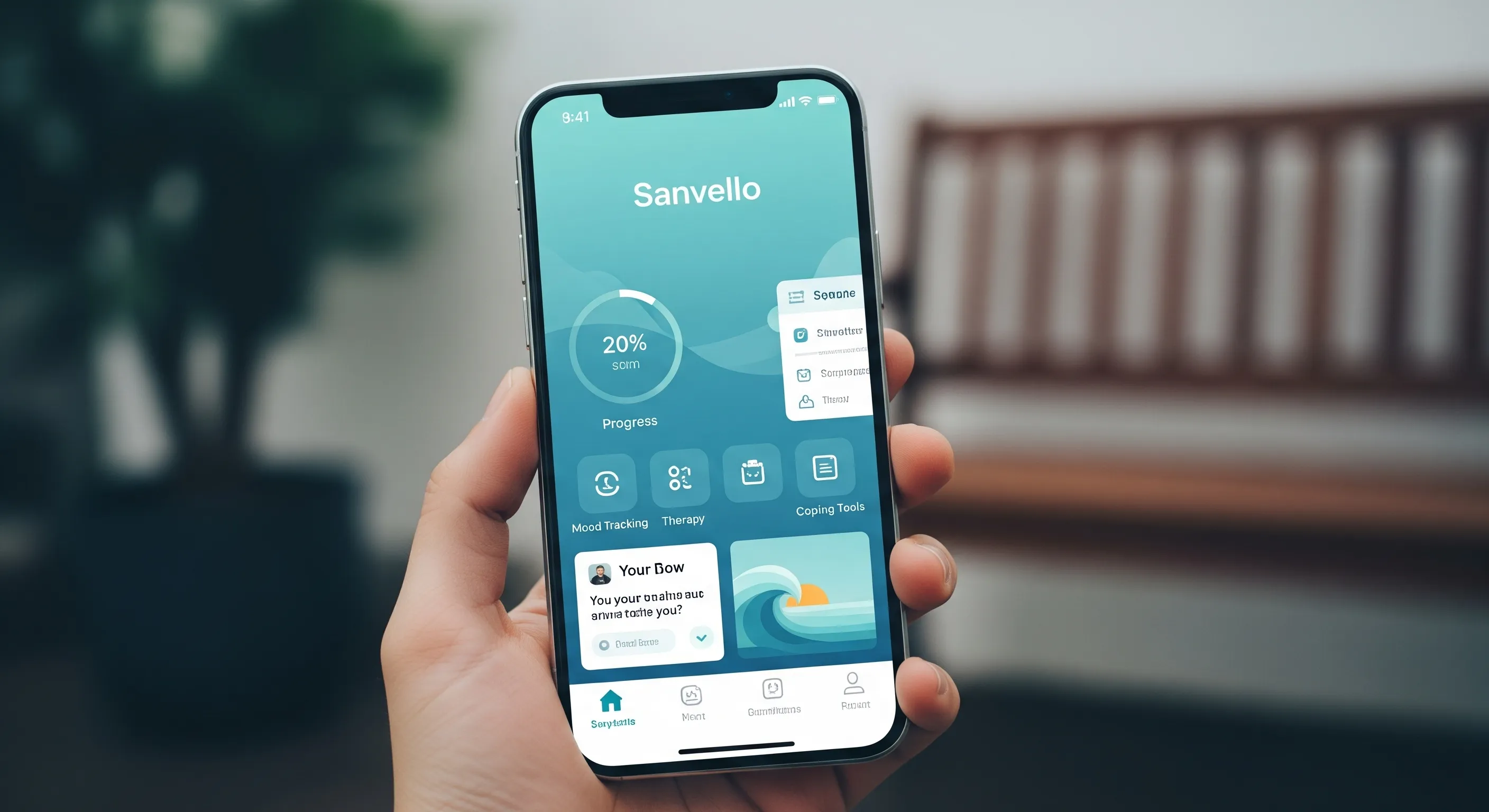
Sanvello offers a blend of therapy, coaching, and self-care practices. It is built on clinically proven techniques, particularly cognitive behavioral therapy, to help users manage anxiety and depression.
The app includes mood tracking, guided journeys, and coping tools designed to be practical in real-life situations. For example, users can access quick exercises before a stressful event or participate in longer structured programs.
Sanvello also integrates community features, allowing people to share experiences and support one another. This social aspect adds a unique layer of connection that many users find comforting, especially when facing challenges alone.
The Science Behind Mental Health Apps
What makes these apps effective is their use of evidence-based methods like mindfulness meditation and cognitive behavioral therapy. Numerous studies show that consistent meditation can reduce stress hormones, improve focus, and boost overall emotional resilience.
CBT-based apps, on the other hand, help users challenge negative thought patterns and replace them with healthier perspectives. By combining technology with psychology, these apps turn complex therapeutic techniques into simple, daily practices that anyone can follow.
Who Can Benefit Most from Mental Health Apps
Mental health apps are designed for everyone, but they are particularly beneficial for:
- Busy professionals dealing with work-related stress
- Students balancing academic pressure and personal life
- Parents managing household responsibilities
- Individuals who want to start their self-care journey before seeking therapy
Because they are accessible 24/7, these apps provide immediate relief whenever stress or anxiety arises.
Free vs Paid Apps Which Should You Choose
Many mental health apps offer free versions with limited features and premium subscriptions that unlock full access. Free versions are great for trying out the basics, but premium subscriptions often provide a deeper, more structured experience.
For example, Headspace and Calm both offer free meditation samples, but their full libraries are only available through subscription. On the other hand, apps like Moodfit provide significant value even in their free versions.
The choice depends on personal needs and commitment. If you’re testing the waters, free apps are a good start. But if mental health is a serious priority, investing in a premium plan can be worthwhile.
Expert Tips to Get the Most Out of Mental Health Apps
To maximize the benefits of these apps, consider the following strategies:
- Use them consistently rather than occasionally.
- Start small with daily 5–10 minute sessions.
- Combine app use with offline activities such as exercise or journaling.
- Track your progress and reflect on changes in mood and stress levels.
- Treat the app as a support tool, not a complete replacement for professional care.
The Future of Digital Mental Health Tools
The future of mental health apps looks promising. With advancements in artificial intelligence, apps may soon offer even more personalized recommendations, real-time emotional analysis, and integration with wearable devices. Imagine an app that detects stress from your heart rate and instantly suggests a calming exercise.
Moreover, as mental health becomes a global priority, we can expect even more partnerships between medical professionals and app developers, making digital self-care tools safer and more effective.
Conclusion
Mental health apps have transformed the way we approach emotional well-being. While they cannot fully replace therapy, they offer valuable tools to help people cope with stress, anxiety, and daily challenges.
The best five apps—Headspace, Calm, BetterHelp, Moodfit, and Sanvello—each bring something unique to the table, whether it’s mindfulness, therapy access, mood tracking, or community support. By integrating these apps into daily life, anyone can take meaningful steps toward living a calmer, more balanced, and stress-free lifestyle.