







Blood Strike has quickly carved a space for itself in the crowded world of free-to-play battle royale shooters. Its fluid mobility, fast-paced gunplay, and hero-driven abilities make it stand apart from competitors. Yet, its complexity often intimidates new players and challenges veterans who fail to adapt to evolving metas. This article offers a detailed set of tips and guides, exploring how to improve at every level of the game. By breaking down the mechanics, strategies, and psychology behind Blood Strike, this handbook will serve as a path toward consistent growth and mastery.
Tips for Getting Started in Blood Strike
Every new player begins with confusion—chaotic maps, an unfamiliar arsenal, and aggressive opponents. The key starting tip is to focus on fundamentals. Learn the controls thoroughly, experiment with sensitivity settings, and practice aiming in training modes before joining ranked lobbies.
Another important early step is to avoid diving into high-intensity fights right away. Spend time looting, observing player behavior, and experimenting with different operators. Building a foundation of comfort ensures smoother progress later on.
Tips for Mastering Movement and Mobility
Blood Strike’s standout mechanic is its advanced movement. Unlike slower titles, this game rewards creativity and aggression in how you move. Practice chaining sprints, wall climbs, and glides to maintain momentum during firefights.
Mobility should not just be reactive but proactive. For example, use vertical climbs to surprise enemies from above or glides to reposition during intense duels. The more unpredictable your movement, the harder it becomes for enemies to secure clean shots.
Tips for Choosing the Best Weapons
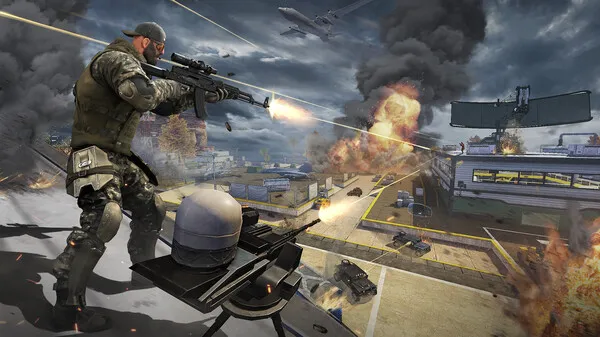
Weapon mastery is central to Blood Strike. Assault rifles are balanced for mid-range engagements, SMGs excel in close quarters, and snipers dominate long sightlines. A strong tip is to always carry two weapons that complement each other rather than duplicate roles.
Spend time learning recoil patterns. Each weapon has unique kickback and rhythm, and controlling it makes the difference between winning and losing fights. Training modes are the perfect place to refine this skill until it becomes second nature.
Tips for Using Hero Abilities Effectively
Operators bring unique abilities that change the flow of combat. A common mistake is treating abilities as extras instead of integrating them into your game plan. Healing, scouting, or mobility skills should be timed strategically to amplify your weapon play.
For example, use mobility boosts when pushing aggressively with SMGs, or combine healing skills with strong defensive positions to hold ground longer. Synchronizing abilities with your squad creates synergy that can overwhelm opponents.
Tips for Understanding Map Awareness
Blood Strike maps are dense and vertical, making awareness a decisive factor. Learn the hot zones where enemies frequently land and rotate. Recognizing patterns will help you predict enemy movements and avoid ambushes.
Audio cues are just as important. Listen for footsteps, climbing sounds, or gunfire to gain information without exposing yourself. Small habits like frequently checking rooftops or corners can save your squad from unnecessary wipes.

Tips for Combat Engagements
Winning firefights is about more than accuracy. The tip here is to combine pre-aiming, strafing, and cover usage to tilt the odds in your favor. Aim where enemies are most likely to appear and keep moving to make yourself harder to hit.
Equally important is the decision-making of when to engage. Pick fights you are positioned to win and avoid reckless aggression. Retreating and resetting a fight is often smarter than gambling your life on bad positioning.
Tips for Resource and Inventory Management
Looting in Blood Strike can overwhelm new players. The best approach is to prioritize survival items—armor plates and healing—before chasing rare weapons. Maintaining a balanced inventory ensures you’re ready for extended battles.
Avoid hoarding too much of one item. For instance, carrying excess ammo without shields or medkits will leave you vulnerable when fights drag on. Build a habit of managing your loadout after each fight to prepare for the next.
Tips for Building Team Chemistry
Blood Strike shines brightest in squads. A vital tip is to communicate constantly—share loot locations, enemy sightings, and strategy plans. Silence kills teams faster than bullets.
Assign roles within the team to avoid chaos. One player can scout ahead, another can provide healing support, and another can lead pushes. Defining roles increases efficiency and prevents overlap that wastes resources.
Tips for Adapting to Meta and Updates
The game evolves with frequent patches. A strong tip is to keep track of balance changes and adapt quickly. Ignoring the meta can place you at a disadvantage, as certain weapons or abilities may rise or fall in power dramatically.
Don’t resist experimenting with new gear. Even if you don’t plan to main the latest buffed weapon, understanding its strengths and weaknesses helps you counter it effectively in matches.
Tips for Long-Term Improvement and Mentality
Sustained improvement requires patience and consistency. Record your matches and analyze mistakes to identify weak spots. Break goals into small milestones, such as improving accuracy by a few percentage points or learning one new map rotation at a time.
Avoid burnout by mixing casual and competitive play. Long grinds without variety drain enjoyment and reduce performance. Remember that Blood Strike rewards mental clarity as much as mechanical skill—enjoyment fuels growth.
Conclusion:
Blood Strike is more than a shooter—it’s a blend of mechanics, strategy, and adaptability. Mastering movement, choosing smart loadouts, and communicating with teammates form the foundation of success. Updates will keep shaking the meta, but players who adapt with confidence and creativity will thrive. By following these tips and guides, you can elevate your game, improve consistently, and secure your place as a formidable competitor in Blood Strike.