






INTRODUCTION
Call of Duty has long been one of the most influential franchises in gaming, consistently shaping the direction of first-person shooters. Each new installment introduces innovation while trying to preserve the elements that made the series iconic. With Call of Duty: Black Ops 6, released in 2025, the developers at Treyarch and Activision once again attempted a bold evolution. Among all the features, the most polarizing one has been the newly revamped progression and prestige system. Instead of sticking to the classic linear grind, Black Ops 6 fragments progress across multiple categories and seasons. This has created passionate debates within the community, raising questions about balance, motivation, and the identity of the series.
This article explores the controversy in detail, analyzing its historical context, how it functions, the problems it creates, and what the future might hold.
1. THE LEGACY OF PROGRESSION IN CALL OF DUTY
From the original Modern Warfare to Black Ops 3, the prestige system was central to Call of Duty’s identity. Players could grind through levels, hit the maximum rank, and then choose to reset their progress by entering a new prestige level. Each time they did so, they earned a unique emblem, marking their dedication and skill. This loop of progress, reset, and recognition became addictive and defined the series for millions of fans.
Black Ops 2, for example, perfected this system by combining straightforward XP leveling with cosmetic rewards like gold and diamond camos. Players had clear goals and permanent milestones. It was predictable yet incredibly satisfying. Black Ops 6, however, breaks away from this simplicity, choosing a hybrid model that has left players divided.
2. WHAT MAKES BLACK OPS 6’S PROGRESSION DIFFERENT
The new system in Black Ops 6 introduces modular prestiges. Instead of one unified prestige path, players now prestige separately across three categories: weapons, operators, and tactical skills. This means that you could be highly ranked in weapon progression while still being a beginner in operator mastery.
The developers also added seasonal resets. At the end of each season, parts of your progression are wiped or rolled back. Cosmetic achievements remain intact, but mechanical progress, such as operator upgrades, often resets. On paper, this keeps the game fresh and encourages long-term engagement. In practice, it creates confusion and frustration for players who expect permanent milestones for their effort.
3. THE GRIND PROBLEM
Grinding is nothing new in Call of Duty, but Black Ops 6 multiplies the grind to an overwhelming level. Since progression is split across multiple categories, players feel forced to play modes or weapons they may not enjoy just to keep up. A player might love assault rifles but be pushed into using snipers or shotguns to complete operator-specific objectives.
The result is a system that feels more like an MMO than a shooter. Instead of the classic prestige chase, players must juggle multiple overlapping grinds. Hardcore fans burn out from the endless requirements, while casual players feel excluded because they cannot keep up with the complexity.
4. COMMUNITY REACTION AND DIVISION
The response to the system has been sharply divided. On one side, supporters argue that the system encourages variety and experimentation. On the other side, critics feel betrayed by the loss of the linear prestige system that defined their Call of Duty experience.
Positive reactions include the freedom to specialize in categories you enjoy, more reasons to try underused weapons, and the fact that cosmetic skins carry over between resets. Negative reactions include the fragmented nature of progress, seasonal resets that erase hard work, and the disappearance of prestige emblems as permanent status symbols.
5. COMPETITIVE IMPLICATIONS
The competitive community has been especially vocal. In esports, mastery and consistency matter, and Black Ops 6’s progression system interferes with both. Competitive players worry that resets disrupt their ability to maintain main loadouts across seasons.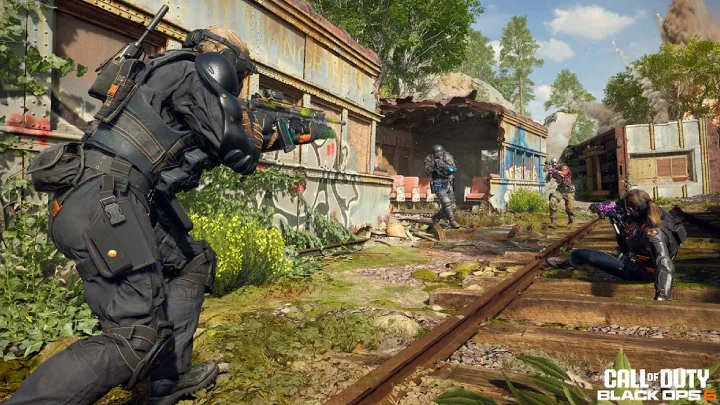
Another issue is weapon progression. Because prestige is tied to categories, pro players may hesitate to test new weapons in tournaments if progression penalties limit their attachment options. This can stifle innovation in the meta and make competitive play less dynamic.
6. MONETIZATION CONCERNS
Many fans believe the new progression system was designed with monetization in mind. By fragmenting the grind, Activision increases the appeal of purchasing shortcuts. Black Ops 6 introduces “Prestige Tokens,” which can be bought through premium bundles. These tokens allow players to skip tedious grinds and fast-track progress.
Although the system is not explicitly pay-to-win, it creates a pay-to-skip model. Players who spend money can unlock gear faster, while those who don’t face endless grinding. This has sparked accusations that Activision prioritizes monetization over fair progression, damaging trust in the community.
7. LESSONS FROM PAST FAILURES
Black Ops 6 is not the first Call of Duty to stumble with progression. Call of Duty: WWII introduced controversial supply drops tied to gameplay advantages. Modern Warfare 2019 initially launched with confusing seasonal systems that were later streamlined. In both cases, fan backlash forced Activision to make changes.
The lesson is clear: Call of Duty thrives when progression is simple, rewarding, and transparent. When it becomes convoluted or tied to monetization, the community pushes back. If history repeats itself, Treyarch may eventually roll back or adjust Black Ops 6’s system to better align with player expectations.
8. THE PSYCHOLOGY OF PRESTIGE
Prestige has always been more than just a mechanic. It is a psychological badge of mastery and identity. A single emblem communicated dedication, skill, and countless hours invested in the game. Players carried pride in displaying their prestige level in lobbies.
Black Ops 6 risks diluting that meaning by splitting prestige into fragmented tracks. Instead of one powerful emblem representing the player’s journey, there are scattered icons across categories. This weakens motivation because smaller, less impactful milestones never carry the same emotional weight as one iconic achievement.
9. POSSIBLE FIXES AND FUTURE UPDATES
The system is flawed but not beyond repair. Many players have proposed solutions that could strike a balance between innovation and tradition.
Suggestions include reintroducing a global prestige emblem alongside category-based ones, allowing seasonal resets to affect only cosmetic tiers while preserving core progress, balancing grind requirements so no category feels like a chore, and making Prestige Tokens earnable through gameplay instead of requiring payment.
If implemented, these fixes could restore player confidence and maintain the addictive loop that made the franchise legendary.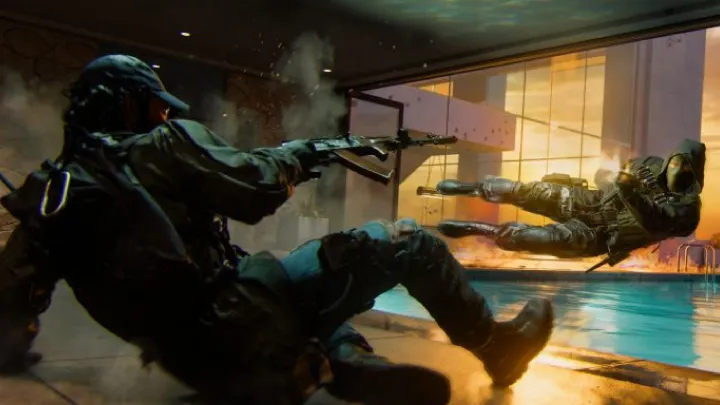
10. CONCLUSION – THE FUTURE OF PRESTIGE IN BLACK OPS 6
Black Ops 6’s progression system is one of the most controversial changes in Call of Duty history. By shifting away from the classic prestige loop to modular, seasonal resets, Treyarch attempted to modernize the grind. The outcome has been division: some see it as refreshing variety, while others view it as the death of the traditional prestige chase.
The debate reveals something larger. In Call of Duty, progression is not just about XP or levels. It is the soul of the grind, the heartbeat that keeps players engaged season after season. Whether Black Ops 6’s experiment becomes a stepping stone toward a better future or a cautionary tale will depend on how the developers respond to community feedback. For now, the new prestige system stands as the most hotly contested feature of the game.