

Introduction
Candy Crush Saga is one of the most iconic puzzle games of the last decade, played by millions daily. While its colorful design and seemingly simple mechanics attract casual players, the real core of the experience lies in a subtle balance between frustration and reward. Unlike many games that offer linear progress, Candy Crush thrives on unpredictable challenge spikes, frequent obstacles, and carefully timed rewards that push players into an emotional cycle. This article explores how frustration and reward shape the Candy Crush experience, examining how they influence behavior, strategy, and even spending habits.
The First Sweet Taste of Progress
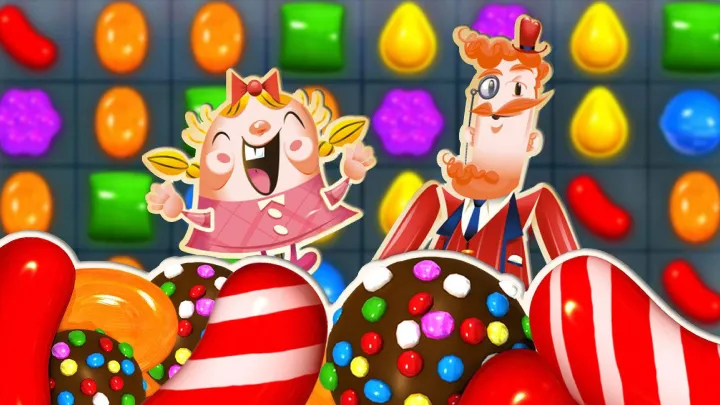
When new players begin Candy Crush Saga, they experience an immediate rush of satisfaction. The first few levels are easy, with candies exploding in chain reactions that look more impressive than they are difficult.
This is intentional. By rewarding players with fast success, the game creates an addictive loop early on. It builds confidence and gives the illusion that progress will always be smooth. However, the sweetness of early victory lays the foundation for later frustration.
The Sudden Wall of Difficulty
After the introductory phase, Candy Crush introduces sudden difficulty spikes. Levels with blockers like chocolate, licorice, or timed bombs appear, dramatically changing the pace.
This sharp transition catches players off guard. They feel as though their skills are no longer enough, but because they already invested time, they push harder to overcome these obstacles. This frustration is the hook that keeps them engaged.
The Role of Limited Lives
Candy Crush uses a limited life system, giving players only a handful of attempts before forcing them to wait or purchase more.
How Limited Lives Create Tension
- They increase the weight of each decision, making mistakes more painful.
- They amplify frustration, as losing progress feels like a wasted opportunity.
- They nudge players toward spending to bypass waiting times.
The frustration of being locked out of play contrasts with the joy of finally passing a level, reinforcing the cycle.
Randomness and the Illusion of Control
One of the most controversial aspects of Candy Crush is its reliance on randomized candy spawns. Players may believe they are strategizing, but success often depends on whether the game gives them favorable candy placements.
This randomness fuels frustration, as players sometimes fail due to bad luck rather than poor decisions. Yet when luck turns in their favor, they experience relief and elation, reinforcing their attachment to the game.
The Near-Miss Effect
Candy Crush often engineers “near-miss” moments, where players lose by a single move. Psychologists have long studied how near-misses are more motivating than complete failures.
When players feel they “almost” won, they are more likely to try again, believing success is within reach. This effect makes frustration feel productive, pushing players deeper into the cycle.
Social Pressure and Competitive Frustration
The game integrates leaderboards and social sharing features, which add another dimension to frustration and reward.
Seeing friends progress faster creates social pressure, intensifying frustration when players get stuck. At the same time, finally surpassing a friend feels like an even bigger reward. The frustration becomes competitive, not just personal.
Special Boosters: Relief from Frustration
Boosters like lollipop hammers or color bombs act as pressure valves. Players stuck on frustrating levels see these as salvation.
Booster Dynamics
- They offer immediate relief from prolonged frustration.
- They create the temptation to spend money for guaranteed progress.
- They reinforce the cycle by giving players just enough control to feel empowered.
This creates a careful balance where frustration is never permanent, only delayed until the next wall.
The Long-Term Grind of Frustration
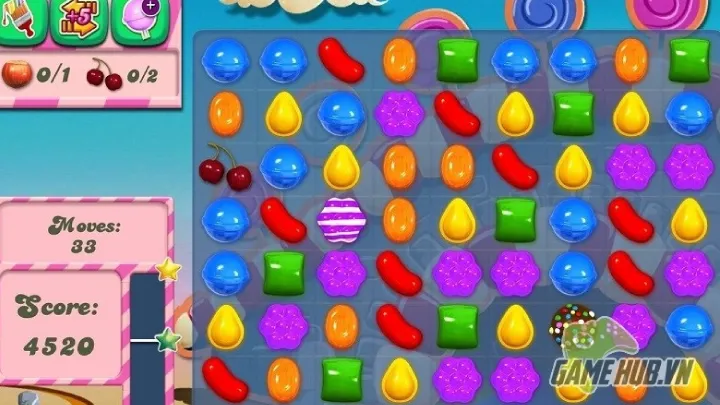
As players advance into hundreds or even thousands of levels, the difficulty continues to rise. Obstacles multiply, moves are reduced, and objectives become more complex.
At this stage, frustration evolves into a grind. Players no longer expect easy victories but instead endure repeated failure before eventual progress. The satisfaction of winning becomes even sweeter because of the difficulty endured.
Emotional Rewards Beyond Winning
Not all rewards in Candy Crush come from finishing levels. The game also rewards small achievements like daily spins, streak bonuses, and in-game events.
These “micro-rewards” soften the frustration of repeated failure. Even when stuck, players feel they are earning something, keeping them engaged without total despair.
The Endgame: Acceptance of Frustration
Veteran players eventually come to accept frustration as part of the Candy Crush identity. Winning is never guaranteed, and losing often feels unfair, yet the cycle of frustration and reward becomes strangely comforting.
In this way, Candy Crush mirrors real life. Success comes through persistence, setbacks are frequent, and small victories feel enormous after long struggles. The game’s mastery lies not in eliminating frustration, but in making it addictive.
Conclusion
Candy Crush Saga thrives on the interplay between frustration and reward. The game builds a cycle where difficulty spikes, limited lives, and near-misses generate emotional tension, only to release it through boosters, victories, and progression. This careful balance keeps players hooked, teaching them to endure frustration for the sake of reward. In the end, Candy Crush is not just about matching candies—it is about managing emotions, persistence, and the powerful psychological pull of almost winning.