



Counter-Strike 2 (CS2) launched with massive expectations, promising a leap forward in competitive FPS gameplay. Built on the Source 2 engine, it introduced a new subtick architecture meant to improve responsiveness and precision. Yet, one issue has plagued the community since launch: inconsistent hit registration. Players report bullets vanishing, kills not counting, and damage numbers that defy logic. This article explores the root causes, timeline, and impact of CS2’s hit registration problems, offering technical insight and community perspectives.
Subtick Optimism: A Promising System
Valve’s subtick system was designed to replace the traditional 64-tick server model. Instead of processing game events at fixed intervals, subtick aims to record actions between ticks, theoretically improving accuracy.
However, subtick’s complexity introduced new challenges. Unlike CS:GO’s predictable tick rate, subtick relies heavily on interpolation and lag compensation. This means that even minor network instability can distort hit registration, especially in high-speed firefights.
Launch Month: Confusion and Frustration
In the first month after CS2’s release, forums and social media exploded with complaints. Players described shooting enemies multiple times with no damage registered. Blood splatter appeared, but kill feeds remained empty.
Steam discussions and Reddit threads highlighted the disconnect between visual feedback and actual server-side results. Many suspected desync, poor server quality, or broken netcode. Valve remained silent, fueling speculation.
Technical Breakdown: What Is Hit Registration?
Hit registration is the process by which the server confirms that a bullet has struck a target. It involves client-side input, server-side validation, and network transmission.
When a player fires a shot, their client sends data to the server. The server then compares this with the enemy’s position and movement. If packets are delayed or lost, the server may reject the hit—even if it looked accurate on screen.
Subtick vs. 64-Tick: A Comparative Analysis
CS:GO’s 64-tick servers were predictable. Players learned to time their shots and movements around tick intervals. Subtick, by contrast, is dynamic and harder to anticipate. While it allows for more granular input, it also introduces ambiguity.
Many pros argue that subtick feels “floaty” and less responsive. The lack of consistent feedback makes it difficult to trust the game’s mechanics. In competitive matches, this uncertainty can be game-breaking.
Valve’s Silence and Community Workarounds
Despite widespread complaints, Valve has offered little official guidance. Players have resorted to tweaking config files, adjusting rates, and switching servers. Some even avoid third-party platforms like FACEIT due to increased hit reg issues.
Popular fixes include updating graphics drivers, using wired connections, and disabling background apps. While these help marginally, they don’t address the core subtick instability.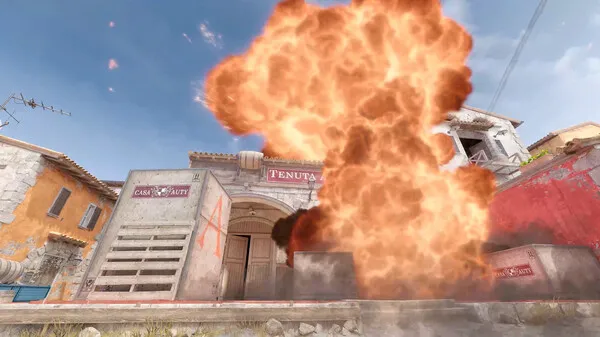
Impact on Competitive Integrity
In esports, precision is everything. A missed shot due to faulty hit registration can cost a round, a match, or a tournament. CS2’s issues have led to controversial outcomes in pro games, with players questioning the game’s reliability.
Some teams have delayed transitioning from CS:GO to CS2, citing hit reg concerns. Tournament organizers face pressure to ensure fair conditions, but without Valve’s intervention, solutions remain limited.
Visual Feedback vs. Server Reality
One of the most frustrating aspects of CS2’s hit reg problem is the mismatch between what players see and what the server registers. Blood splatter, recoil patterns, and sound cues suggest a hit—but the server disagrees.
This disconnect undermines player confidence. In a game where muscle memory and reflexes are critical, unreliable feedback creates doubt and hesitation.
Third-Party Platforms and Anti-Cheat Conflicts
Platforms like FACEIT and ESEA offer competitive matchmaking with stricter anti-cheat measures. However, many users report worse hit registration on these platforms compared to official servers.
This may be due to how third-party software interacts with subtick timing. Anti-cheat overlays and packet inspection can introduce latency, further complicating hit detection.
Community Feedback and Valve’s Response
After months of silence, Valve acknowledged hit registration concerns in a minor patch note. While no major overhaul was announced, subtle tweaks to interpolation and server sync were made.
Community feedback remains mixed. Some players report improvements, while others see no change. The lack of transparency continues to frustrate loyal fans.
Looking Ahead: Will Hit Reg Be Fixed?
CS2 is still evolving. Valve has a history of refining its games post-launch, and hit registration may improve over time. However, subtick’s complexity means fixes won’t be simple.
For now, players must adapt. Positioning, crosshair discipline, and network stability are more important than ever. Competitive integrity depends on Valve’s willingness to prioritize hit reg in future updates.
Conclusion
Counter-Strike 2’s hit registration issues stem from the subtick system’s complexity and network sensitivity. While the game offers visual polish and theoretical improvements, its core mechanics suffer from inconsistencies that impact competitive play. Valve’s slow response and lack of transparency have left players frustrated, but community efforts and technical tweaks offer temporary relief. The future of CS2 depends on whether Valve can reconcile subtick precision with real-world stability