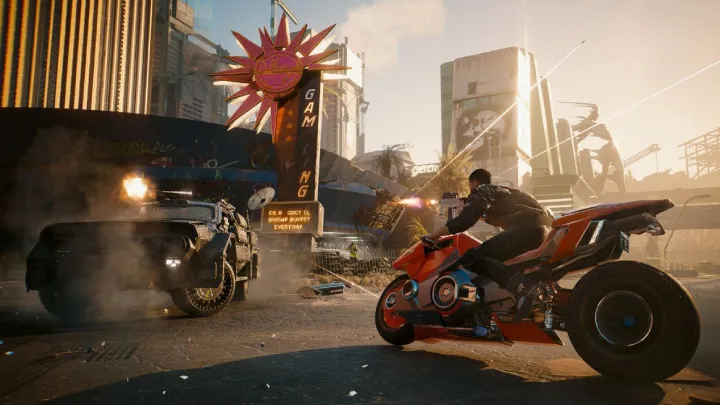



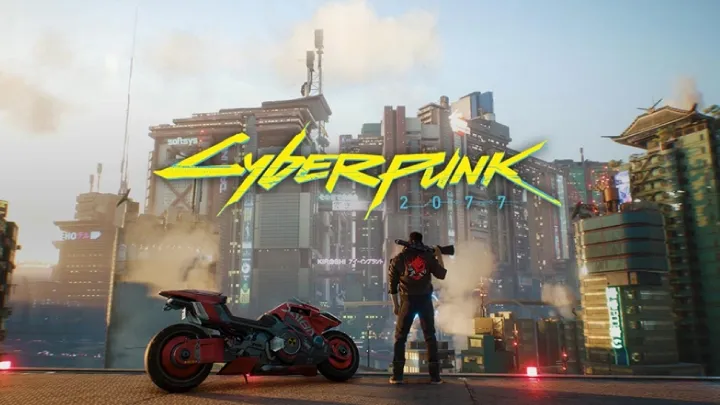
Cyberpunk 2077, developed by CD Projekt Red, is a game that has captivated and polarized players since its release in December 2020. Set in the sprawling dystopia of Night City, it offers players a chance to explore a world filled with advanced technology, corporate intrigue, and a rich narrative. However, one of the most compelling and contentious aspects of the game is the duality of choice and consequence. This article will deeply explore this issue, examining how player choices impact the narrative, gameplay, and overall experience in Cyberpunk 2077.
The Foundation of Choice: Character Creation
Building Your Identity
Cyberpunk 2077 begins with an extensive character creation system that allows players to shape their protagonist, V, in various ways. From physical appearance to background and life path, the choices made during character creation set the stage for the player’s experience. Players can select from three lifepaths: Nomad, Street Kid, or Corpo, each providing unique perspectives and interactions within the game.
The lifepath chosen not only affects initial gameplay but also influences dialogue options, quests, and character relationships throughout the story. This system emphasizes the importance of choice from the very start, allowing players to feel a sense of ownership over their character and the narrative that unfolds.
The Impact of Lifepath Choices
Each lifepath brings distinct advantages and challenges. For instance, a Nomad may have a deeper understanding of the Badlands, while a Corpo has insider knowledge of corporate machinations. These differences manifest in various ways, such as unique dialogue interactions and tailored questlines that reflect the character's background.
However, the choices made during character creation also highlight a crucial aspect of the game: the consequences of those choices. While players may feel empowered by their initial decisions, they will soon realize that not all paths lead to favorable outcomes. This complexity adds depth to the narrative, as players must navigate the repercussions of their choices throughout the game.
The Weight of Choices: Quest Design
Branching Narratives
One of the standout features of Cyberpunk 2077 is its branching narrative structure. Many side quests and main missions present players with choices that can significantly alter the course of the story. For example, the quest "The Heist" offers players the option to approach the situation in multiple ways, whether through stealth, aggression, or negotiation.
These choices create a sense of agency, as players can shape the outcome based on their decisions. The game rewards creative approaches, encouraging players to experiment with different strategies. However, the weight of these decisions can be daunting; a seemingly minor choice can lead to unexpected consequences, impacting character relationships and future quests.
Moral Ambiguity and Consequences
Cyberpunk 2077 thrives on moral ambiguity. Players are often faced with dilemmas that do not have clear right or wrong answers. For example, in the quest "The Pickup," players must decide whether to ally with a gang or pursue a more neutral approach. Each choice brings its own set of consequences, affecting not only the immediate situation but also the broader narrative landscape.
This moral complexity challenges players to consider the implications of their decisions, fostering a sense of investment in the story. The game’s emphasis on choice and consequence encourages players to reflect on their values and the impact of their actions, creating a more immersive experience.
The Illusion of Choice: Linear Elements
The Limitations of Freedom
While Cyberpunk 2077 promotes a sense of choice, it also grapples with the limitations of player agency. Despite the branching narratives, certain story beats remain fixed, guiding players toward predetermined outcomes. For instance, the overarching plot involving Johnny Silverhand, played by Keanu Reeves, dictates key moments in the story that cannot be altered by player choice.
This tension between player freedom and narrative direction raises questions about the nature of choice in video games. While players can influence smaller elements of the story, they ultimately find themselves on a rail that leads to specific conclusions. This design choice can be frustrating for those seeking a more open-ended experience, as it undermines the feeling of true agency.
Fixed Consequences
Moreover, the consequences of player choices, while impactful, are not always as far-reaching as they may seem. Certain decisions lead to immediate changes in the game world or character dynamics, but the long-term effects are often limited. For example, players may choose to spare a character's life or betray a faction, but the narrative often guides players back to a central conflict that diminishes the significance of those choices.
This aspect of the game highlights a potential disconnect between player expectations and the reality of the narrative structure. While Cyberpunk 2077 excels at creating the illusion of choice, it occasionally falls short of delivering a truly dynamic experience that reflects the weight of player decisions.
Emotional Engagement: Character Relationships
Building Connections
The relationships players forge with various characters in Cyberpunk 2077 play a crucial role in the narrative experience. Throughout the game, players interact with a diverse cast, each with their own motivations and backstories. These interactions are often influenced by the choices players make, impacting how characters perceive V and the nature of their relationships.
Characters like Judy Alvarez and Panam Palmer offer players the opportunity to engage in deeper, emotionally charged story arcs. The choices made in these relationships can lead to profound moments of connection or devastating fallout. For instance, players can choose to pursue a romantic relationship with Judy or Panam, allowing for a more intimate exploration of their stories.
The Consequences of Emotional Choices
However, the emotional weight of these relationships is accompanied by the risk of loss and betrayal. Players must navigate the complexities of trust and loyalty, as choices made in one moment can lead to heartbreak in another. For example, players who prioritize their own interests over those of their allies may find themselves isolated by the end of the game.
This emotional engagement adds depth to the narrative, as players become invested in the fates of the characters they encounter. The choices made in these relationships can have lasting effects, reinforcing the theme of consequence that permeates the game.
The Role of Technology: Cyberspace and Augmentations
Enhancing Player Experience
In the world of Cyberpunk 2077, technology plays a pivotal role in shaping both gameplay and narrative. The use of augmentations and cyberware allows players to customize V's abilities, enhancing the gameplay experience. Players can choose to enhance physical capabilities, hacking skills, or combat prowess, tailoring their character to their preferred playstyle.
These technological upgrades not only impact gameplay but also influence narrative elements. For example, players who invest in hacking abilities may approach missions with a focus on stealth and manipulation, while those who prioritize combat may engage in more direct confrontations. This customization provides an additional layer of choice, allowing players to shape their experience through technology.
The Consequences of Augmentation
However, the use of technology in Cyberpunk 2077 also raises ethical questions about the nature of humanity and the consequences of augmentation. Throughout the game, players encounter characters who have experienced the dark side of cybernetic enhancements, leading to discussions about identity, morality, and the price of power.
These themes are exemplified in the story arcs of characters like Johnny Silverhand, who grapples with the implications of his own technological existence. As players navigate the world of Cyberpunk, they are forced to confront the complex relationship between technology and humanity, ultimately questioning the cost of their choices.
The World of Night City: A Living, Breathing Entity
The Atmosphere of Night City
Night City itself serves as a character in Cyberpunk 2077, with its vibrant districts, diverse cultures, and palpable tension. The world is rich with detail, immersing players in a dystopian future filled with corporate greed, street gangs, and a struggle for survival. The design of Night City encourages exploration, rewarding players for venturing into its many nooks and crannies.
The atmosphere of the city is further enhanced by its dynamic environment. Day and night cycles, weather changes, and bustling NPCs create a sense of realism that makes Night City feel alive. Players can engage with the world in various ways, from participating in street races to discovering hidden side quests that enrich the narrative.
The Consequences of Living in Night City
However, the vibrancy of Night City is juxtaposed with the harsh realities of life in a cyberpunk dystopia. Players must navigate a world where choices often lead to dire consequences, reflecting the struggles of its inhabitants. The societal issues present in Night City, such as inequality and exploitation, serve as a backdrop for the players’ choices, adding depth to the narrative.
This duality of Night City as both a playground and a battleground underscores the importance of player agency. Every choice made within the city can ripple through its communities, shaping the power dynamics and the lives of its citizens.
The Finale: Multiple Endings
The Weight of Final Choices
As players progress through Cyberpunk 2077, they must confront the culmination of their choices in the game's multiple endings. The decisions made throughout the story lead to different outcomes, ranging from tragic to triumphant. These endings are shaped by key choices made during pivotal moments, emphasizing the importance of player agency.
For instance, players may choose to side with different factions, forge alliances, or prioritize personal relationships. Each decision contributes to the final outcome, making the journey feel unique and tailored to the player’s choices. This structure reinforces the theme of consequence, as players must grapple with the results of their actions.
Reflecting on Choices
The multiple endings in Cyberpunk 2077 serve as a powerful reminder of the impact of choice and consequence. Players are left to reflect on their journey, considering how their decisions shaped the fate of V and the world around them. This reflective aspect elevates the narrative, inviting players to engage with the story on a deeper level.
The endings not only provide closure but also highlight the moral complexity of the game. Players must confront the ramifications of their choices and the ethical dilemmas presented throughout the narrative, leaving a lasting impression long after the credits roll.
Conclusion
Cyberpunk 2077 is a game that masterfully explores the duality of choice and consequence. Through its intricate narrative structure, character relationships, and the immersive world of Night City, the game invites players to engage with their decisions on multiple levels. While it offers a sense of agency, it also raises questions about the limitations of choice and the ethical implications of technological advancements.
As players navigate the complexities of Cyberpunk 2077, they are reminded of the weight of their decisions and the impact they have on the world around them. This exploration of choice and consequence not only enhances the gameplay experience but also invites reflection on the moral dilemmas faced in a dystopian future. Ultimately, Cyberpunk 2077 serves as a thought-provoking commentary on the nature of humanity, technology, and the choices we make.