Dota 2 is one of the most complex and competitive multiplayer online battle arena (MOBA) games in the world. With over 120 unique heroes, countless item builds, and a constantly evolving meta, it can feel intimidating for beginners and even challenging for veterans. But once you understand its core mechanics, strategies, and teamwork elements, Dota 2 becomes a deeply rewarding experience.
This guide will break down everything you need to know: from beginner basics and hero roles to advanced itemization, map awareness, and teamfight strategies. Whether you’re playing casually or climbing the ranked ladder, these tips will help you improve your gameplay.
1. Understanding the Basics of Dota
At its core, Dota 2 is about two teams of five battling to destroy the enemy’s Ancient. Each player chooses a hero with unique skills, and the game unfolds across three lanes: top, mid, and bottom.
Your goals:
- Farm gold and experience to grow stronger.
- Push lanes by killing creeps and towers.
- Work with your team to win fights and objectives.
Unlike many games, Dota punishes mistakes heavily. A single misstep can snowball into a lost tower or Roshan fight. That’s why learning the fundamentals is crucial.
2. Choosing Your Hero
One of the hardest parts for new players is picking the right hero. Dota divides heroes into categories based on roles:
- Carry: Becomes powerful later in the game (e.g., Phantom Assassin, Spectre).
- Midlaner: Controls tempo, often solo mid (e.g., Invoker, Storm Spirit).
- Offlaner: Durable hero disrupting the enemy (e.g., Tidehunter, Mars).
- Support: Provides vision, healing, disables, and protection (e.g., Lion, Crystal Maiden).
- Hard Support (Position 5): Buys wards and sacrifices farm for the team.
Tips for Picking Heroes
- Beginners should start with simple, forgiving heroes (e.g., Wraith King, Sniper, Lich).
- Don’t copy pro picks blindly—choose heroes that fit your skill level.
- Learn one hero per role before expanding your pool.
3. Lanes and Positions
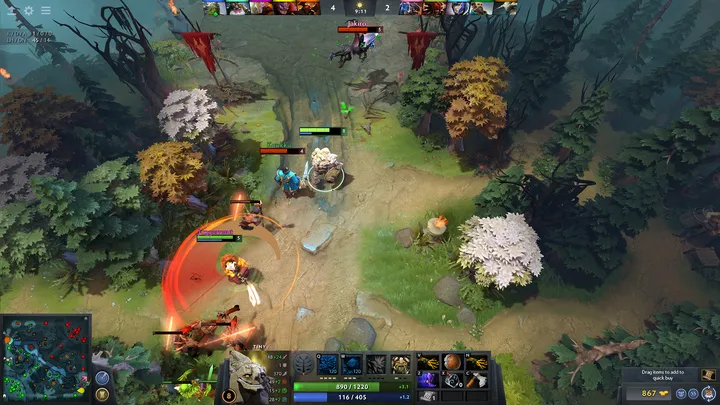
Each lane has its own dynamics. Understanding lane assignments is key.
- Safe Lane (Carry Lane): Your team’s Position 1 hero farms here with support help.
- Off Lane: Enemy carry lane—usually harder and riskier.
- Mid Lane: One-versus-one battleground that sets tempo.
- Jungle: Provides neutral creeps and extra gold/XP, but map awareness is vital.
Position Numbers (1–5)
- Hard Carry
- Midlaner
- Offlaner
- Soft Support (Roamer)
- Hard Support
4. Farming & Gold Efficiency
Gold and XP determine your strength. Learning to farm efficiently is essential.
Farming Tips
- Last-Hitting: Time your attacks to get gold from creeps.
- Denying: Attack your own creeps when low HP to deny enemies gold/XP.
- Stacking Camps: Pull neutral creeps at the right timing to double spawns.
- Pulling Creeps: Drag lane creeps into jungle to reset equilibrium.
Never waste time. If no fights are happening, you should be farming, pushing, or placing vision.
5. Itemization Strategy
Items can change the course of a game. Unlike static builds, itemization should adapt to the match.
Core Item Types
- Starting Items: Tangos, healing salves, branches.
- Early Game: Boots, Magic Stick, Wraith Bands.
- Core Items: Build around your hero’s power (e.g., Battle Fury for Anti-Mage).
- Situational Items: Counter the enemy (e.g., Black King Bar vs heavy magic damage).
Tips
- Don’t follow cookie-cutter builds blindly—think about the enemy draft.
- Save for buyback in late game.
- Supports should prioritize wards, smoke, and team utility over personal items.
6. Warding & Vision
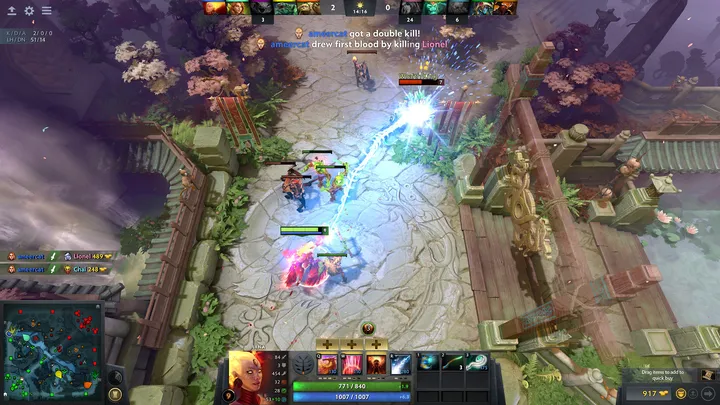
Vision wins games. A single Observer Ward can save your team from ambushes or secure Roshan.
Warding Basics
- Observer Wards: Give vision of enemy movements.
- Sentry Wards: Reveal invisible units and deward enemy wards.
- Roshan & High Ground: Always keep vision in these areas.
Supports are usually responsible for wards, but cores can help in the late game when gold is plentiful.
7. Map Awareness & Objectives
Dota isn’t just about kills—it’s about objectives. Towers, Roshan, and map control matter more than hero score.
Key Objectives
- Towers: Open up the map and restrict enemy farming.
- Roshan: Grants Aegis, often leading to a game-winning push.
- Outposts & Runes: XP and power runes can turn fights.
Always glance at the minimap. Missing enemies likely mean ganks are coming. Good map awareness separates beginners from veterans.
8. Teamfighting
Dota’s most exciting moments happen in teamfights. Winning a big fight can lead to towers, Roshan, or even the Ancient.
Teamfight Tips
- Initiation: Let tanky heroes or disablers start fights, not your carry.
- Focus Priority: Kill supports or key damage dealers first.
- Spacing: Don’t clump up—spread against AoE spells.
- Buybacks: Use wisely; they can turn fights but waste economy if mistimed.
9. Playing as a Team
Dota is not a solo game. Even the best carry can’t win without support.
Communication Tips
- Use pings if you don’t have a mic.
- Don’t flame teammates—it lowers morale.
- Coordinate ganks, smoke plays, and Roshan attempts.
- Remember: it’s better to retreat together than die one by one.
A team that works together often beats a team of individually better players.
10. Climbing the Ranked Ladder
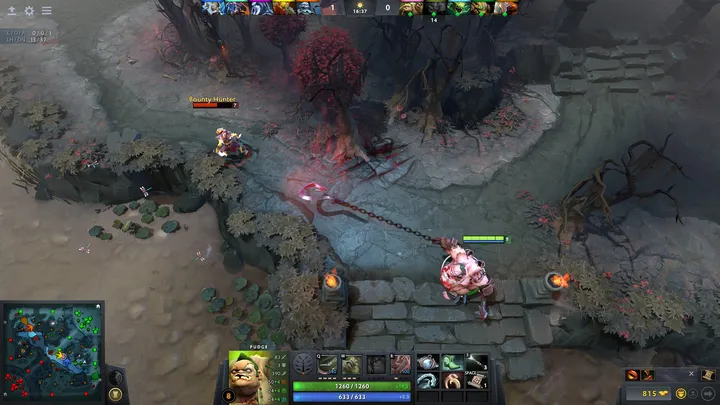
Ranked play is where players test their skills. Climbing requires consistency, mindset, and adaptation.
Ranked Tips
- Focus on 2–3 roles: Specialization improves your consistency.
- Stay Calm: Don’t tilt after losses—an angry mindset loses games.
- Watch Replays: Analyze mistakes and learn from pro games.
- Patch Notes: Stay updated with balance changes and meta shifts.
Rank is not just about skill—it’s also about attitude, persistence, and learning.
Conclusion
Dota 2 is a game of infinite depth. Every match is different, every hero offers new strategies, and every decision matters. By mastering fundamentals like farming, itemization, map awareness, and teamwork, you’ll steadily improve and climb the ranks. Remember: Dota is not just about winning—it’s about learning, adapting, and enjoying the complexity of one of the greatest competitive games ever made.