


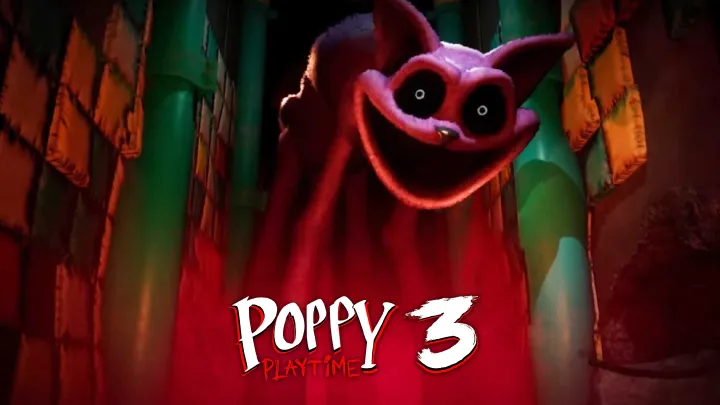
When Poppy Playtime first appeared, many dismissed it as just another indie horror game chasing Five Nights at Freddy’s success. But it quickly carved out its own space by doing something unusual: it combined puzzle-solving with relentless survival horror. The result is an experience that keeps players on edge not only because of its terrifying toys but because thinking under pressure becomes part of the fear.
This article dives deep into how Poppy Playtime uses puzzle mechanics to heighten tension, exploring the fine balance between fear and logic that defines its gameplay.
1. Setting the Stage: A Factory of Forgotten Toys
The choice of setting immediately amplifies unease.
H3: Why the toy factory works
- Nostalgia turned creepy: toys meant for comfort now become predators.
- Industrial emptiness: machinery echoes isolation and decay.
- Familiar yet wrong: the uncanny valley effect triggers discomfort.
The environment is itself a puzzle, with every corridor hiding both story and threat.
2. The Dual Core of Gameplay
At its heart, Poppy Playtime fuses two pillars: puzzles and horror.
- Puzzles demand focus, patience, and logical reasoning.
- Horror disrupts focus with sudden danger, fear of failure, and psychological stress.
This constant tug-of-war creates the game’s unique identity.
3. Puzzle Design Under Pressure
The puzzles themselves are not impossibly complex — they’re designed to be solvable. But solving them under stress is the real challenge.
H4: Examples of pressure points
- Timed puzzles that punish hesitation.
- Multi-step mechanics where mistakes cost progress.
- Environmental hazards that force quick decisions.
Here, fear sharpens mistakes, and mistakes amplify fear.
4. Huggy Wuggy: Horror as a Timer
Huggy Wuggy isn’t just a monster — he’s a walking countdown clock.
- His looming presence forces faster puzzle-solving.
- Encounters blend chase mechanics with incomplete tasks.
- He embodies the fear of being caught mid-thought.
The monster transforms otherwise simple challenges into adrenaline-fueled races.
5. The Psychology of Split Attention
Why does combining puzzles and horror work so well? It attacks cognitive limits.
- Working memory overload: players juggle fear and logic simultaneously.
- Tunnel vision: under stress, mistakes increase.
- Survival instinct vs. reasoning: primal fear interrupts rational thought.
The game thrives on breaking this balance repeatedly.
6. Chapter-Based Escalation
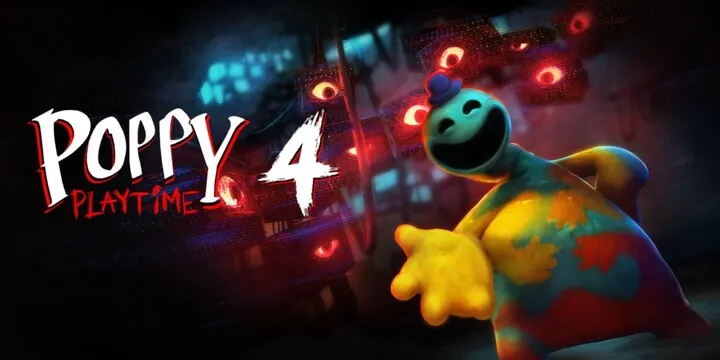
Each chapter increases puzzle complexity and horror intensity.
H3: Escalation strategies
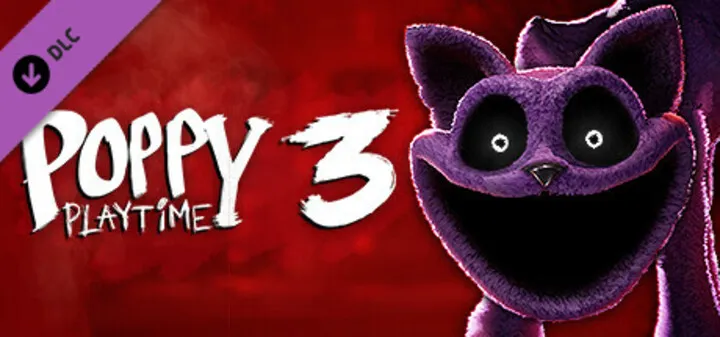
- Chapter 1: Simple puzzles + introductory scare.
- Chapter 2: Larger environments, multiple toy threats.
- Chapter 3+: Expands both mechanics and lore, deepening dread.
The pacing ensures players never feel fully in control, keeping tension fresh.
7. Environmental Storytelling as Puzzle
Not all puzzles are mechanical — some are narrative.
- Clues hidden in posters, tapes, and room layouts.
- Lore fragments forcing players to “piece together” the story.
- Psychological puzzles: what’s real vs. what’s propaganda from Playtime Co.?
Solving the mystery of the factory is itself a meta-puzzle.
8. Player Agency and Illusion of Choice
One strength of Poppy Playtime is how it gives players a sense of agency while tightly controlling outcomes.
- Multiple paths, same solution: exploration feels open but is guided.
- Grapple mechanics: tools create freedom while hiding boundaries.
- Scripted scares: choices don’t prevent terror.
This illusion deepens immersion, keeping players both empowered and trapped.
9. Community Reaction: The Puzzle-Horror Bond
Fans debate whether puzzles make the game scarier or just more frustrating.
H4: Positive takes
- Forces engagement beyond waiting for scares.
- Increases replay value and creativity.
Negative takes
- Breaks pacing for some players.
- Can feel like obstacles to the “real” horror.
Still, the majority agree that the hybrid formula defines Poppy Playtime’s unique edge.

10. The Future of Hybrid Horror
The success of Poppy Playtime points to a new design space for horror games.
- Future titles may deepen puzzle complexity.
- Others may introduce co-op puzzle-horror experiences.
- VR could amplify puzzle-horror tension through immersion.
By merging problem-solving with primal fear, Poppy Playtime created a blueprint for horror innovation.
Conclusion
Poppy Playtime thrives not by reinventing horror but by reframing it through puzzles. Each challenge forces players to think while panicking, a combination that maximizes vulnerability. Monsters like Huggy Wuggy succeed not just as visual icons but as constant reminders that every solution carries risk.
By balancing logic and terror, Poppy Playtime delivers a chilling reminder: sometimes, the scariest part of survival is trying to think straight when everything around you screams chaos.