

Since its debut in 2017, Fortnite has become more than just a video game; it has evolved into a cultural phenomenon. The game’s ability to consistently reinvent itself with new mechanics, seasons, and collaborations has kept millions of players engaged worldwide. As 2025 unfolds, Epic Games once again demonstrates its mastery of reinvention by delivering updates that not only refine gameplay but also reshape the entire landscape of interactive entertainment.
In this feature, we will explore Fortnite’s newest updates in 2025, from groundbreaking gameplay mechanics to competitive esports expansions, narrative-driven content, community innovations, and the impact these changes have on the wider gaming industry. Fortnite is no longer just about survival on the island; it has become a living, breathing platform that integrates storytelling, social experiences, and technological innovation.
Chapter 1: The Evolution of Fortnite’s Core Gameplay
One of the hallmarks of Fortnite has been its constant innovation in core gameplay. The 2025 updates are no exception, introducing mechanics that further deepen strategy while keeping accessibility intact.
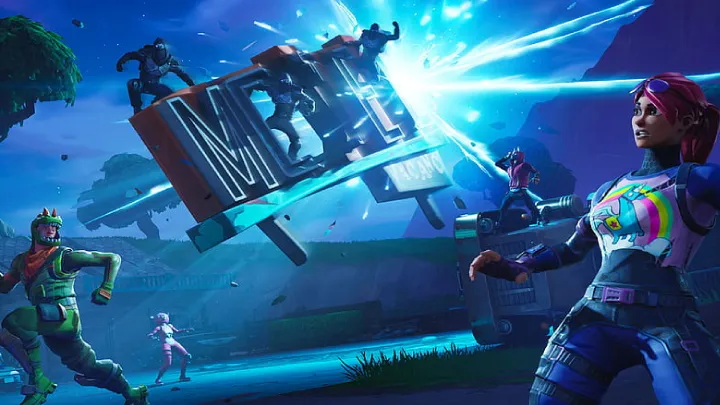
The first major change is the introduction of Adaptive Terrain Mechanics. Unlike previous seasons, where environmental changes were purely aesthetic or seasonal, the new system allows the map to evolve dynamically during matches. Hills can erode after storms, rivers may overflow, and buildings can collapse realistically under sustained fire. This dynamic environment not only heightens immersion but also forces players to think tactically about positioning and movement.
Complementing this, Epic Games has unveiled advanced AI-driven NPCs that interact in more complex ways with players. NPC factions now form alliances or rivalries depending on the actions of the community throughout the season. These elements add layers of unpredictability, making every match feel unique while weaving in broader narrative consequences.
Chapter 2: A New Era of Seasonal Storytelling
Fortnite’s narrative-driven seasonal structure remains one of its defining features. In 2025, the story arc has reached unprecedented levels of cinematic ambition. Season 32, titled Rise of the Shattered Realms, has blended fantasy and science fiction, with the Fortnite Island becoming a nexus of fractured dimensions.
Each week introduces live narrative events, where players’ actions collectively influence how the story unfolds. In January 2025, for instance, players were tasked with either helping restore balance to the fractured realms or aligning with forces that thrive on chaos. The majority chose the latter, leading to permanent alterations in the game world: new corrupted biomes, altered skyboxes, and mysterious anomalies.
This level of narrative agency marks a turning point for live-service storytelling. Fortnite no longer tells a story to its players; it tells a story with its players.
Chapter 3: The Rise of Competitive Fortnite in 2025
Esports has always been a vital part of Fortnite’s ecosystem, but 2025 has amplified its competitive scene with innovations that blur the line between casual and professional play.
The introduction of the Fortnite Global League (FGL) has revolutionized the competitive format. Unlike previous years where tournaments were seasonal and fragmented, the FGL functions as a year-round league, complete with regional qualifiers, team-based divisions, and a tiered ranking system that allows players to climb from grassroots to pro level.
The prize pools have also grown significantly, with Epic Games announcing a staggering $200 million spread across the 2025 competitive calendar. More importantly, Epic has focused on sustainability for professional players by introducing a salary support system for top-tier teams, similar to traditional sports leagues.
Streaming platforms have become tightly integrated into this ecosystem, with in-game esports hubs allowing fans to watch live matches directly inside Fortnite’s virtual arenas. This creates an unparalleled level of engagement where the line between spectator and participant is more blurred than ever before.
Chapter 4: Technological Leap – Powered by Unreal Engine 5.3
Fortnite’s visual and technical fidelity has always been a step ahead of its competitors, but in 2025, the game has fully embraced Unreal Engine 5.3. This upgrade brings breathtaking realism with Nanite 2.0 technology for detailed environments and Lumen Global Illumination for lifelike lighting.
These improvements are not just eye candy; they influence gameplay. Shadows now realistically react to dynamic light sources, giving tactical players new ways to hide or strategize. Buildings collapse in real-time based on material stress points, making destruction more authentic than ever.
Performance has also been optimized, allowing Fortnite to run at a smooth 120 frames per second on next-gen consoles and high-end PCs, while maintaining accessibility for mobile and cloud gaming platforms. The seamless cross-platform integration ensures players from every device can share the same polished experience.
Chapter 5: Collaborations That Redefine Pop Culture
Fortnite’s collaborations have become legendary, ranging from Marvel superheroes to global musicians. In 2025, Epic Games continues to push the boundaries of crossover events.
The highlight of this year so far is the Fortnite x Avatar: The Last Airbender collaboration. This crossover introduced elemental bending mechanics into the game for a limited time, allowing players to wield fire, water, earth, and air powers in addition to traditional weapons. The mechanics were so well-received that Epic announced a permanent "Elemental Modes" playlist.
In addition, Fortnite has expanded its music metaverse with live virtual concerts by global icons such as BTS, Dua Lipa, and Travis Scott’s long-awaited return. These events are no longer just performances but fully interactive experiences, allowing fans to shape visual effects, influence setlists, and even appear as holographic projections on stage.
By continuing to blend entertainment mediums, Fortnite secures its position as both a game and a cultural stage.
Chapter 6: Community Tools and Creative 3.0
Fortnite’s Creative Mode has always empowered players to build their own experiences, but 2025 marks the full launch of Creative 3.0, an overhaul that transforms Fortnite into a genuine game creation platform.
With intuitive drag-and-drop interfaces powered by Unreal Engine integration, creators can now design fully functional mini-games, RPG adventures, and even cinematic experiences within Fortnite. Revenue-sharing models have also been enhanced, giving top creators the opportunity to earn significant income from their worlds.
One standout example is “Cyber City Royale,” a fan-made futuristic map that has already drawn millions of players and sparked official collaborations with Epic. This demonstrates Fortnite’s future not just as a battle royale, but as a platform where user-generated content thrives alongside official updates.
Chapter 7: Accessibility and Inclusivity
In 2025, Epic Games has doubled down on accessibility, ensuring Fortnite is playable for all types of gamers. The latest update introduces adaptive control schemes, including eye-tracking technology and advanced haptic feedback for visually impaired players.
Representation has also been prioritized. Character skins and cosmetics now offer greater customization, including diverse body types, cultural attire, and more gender-neutral options. These inclusivity measures not only broaden Fortnite’s appeal but also strengthen its community identity as a welcoming space.
Chapter 8: The Economy of Fortnite – V-Bucks and Beyond
Monetization has always been a hot topic for Fortnite. The 2025 economy introduces significant reforms to address community concerns about value and fairness.
The Battle Pass 2.0 system now offers dynamic progression paths. Players can choose whether to focus on cosmetics, emotes, or in-game utility items, tailoring rewards to their preferences. Additionally, Epic has implemented stricter regulations on cosmetic rarity, ensuring limited-time items feel truly exclusive without overwhelming players with constant pressure to spend.
An experimental feature called V-Bucks Vaults allows players to trade unused items for partial V-Bucks refunds, further enhancing the sense of choice and fairness in the in-game economy.
Chapter 9: The Social Dimension of Fortnite
Fortnite has always been more than a game; it is a virtual social hub. In 2025, Epic has expanded this social element with Fortnite Neighborhoods—persistent social spaces where players can hang out, chat, host mini-games, or attend events outside of competitive matches.
Neighborhoods act as Fortnite’s version of a metaverse social plaza, complete with interactive theaters, art galleries, and creator showcases. These features encourage players to spend more time within the Fortnite ecosystem, blurring the line between gaming and digital socializing.
Chapter 10: Fortnite’s Place in the Future of Gaming
As Fortnite moves through 2025, it continues to redefine what a live-service game can be. It is no longer just about last-player-standing battles; it is about telling shared stories, celebrating culture, enabling creativity, and pushing technological boundaries.
While competitors like Apex Legends, PUBG, and Call of Duty: Warzone remain strong contenders, Fortnite’s unique blend of narrative innovation, esports expansion, and cultural collaborations keeps it at the forefront of the industry.
Epic Games’ long-term vision seems clear: Fortnite is not merely a game but a platform—a foundation for the future of interactive entertainment where gaming, culture, and community converge.
Conclusion
Fortnite’s updates in 2025 prove once again that Epic Games is committed to evolving beyond the traditional boundaries of gaming. From dynamic gameplay mechanics and esports leagues to groundbreaking collaborations and expanded creative tools, Fortnite has entered a new era.
For players, Fortnite remains a space of endless discovery, where each update reshapes not only how they play but also how they connect with a global community. For the gaming industry, Fortnite continues to be the benchmark for innovation, cultural impact, and the future of live-service entertainment.
As the storm closes in on another season, one thing is certain: Fortnite’s story is far from over.