![Simpsons [HORROR]](https://arbcdn.techfast.vn/0b51753c5bc9486bb6dfb8974ef220ab.webp)
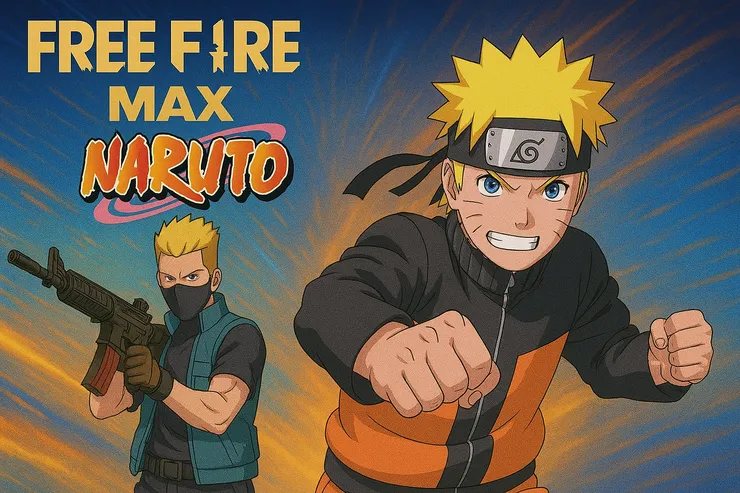
The 2025 Free Fire MAX × Naruto collaboration has been one of the most ambitious crossovers in mobile gaming history. With the Chapter 2 “Ninja War” update, Garena introduced a series of shinobi powers drawn directly from the Naruto Shippuden universe, from Sharingan-based abilities to powerful Akatsuki techniques. While fans were thrilled to experience their favorite jutsus inside a battle royale setting, one particular issue became the core of debate: balancing these anime-inspired powers within the game’s competitive framework. This article explores the depth of that issue, analyzing how these abilities work, why they break the balance, and how players and developers are addressing the challenge.
Understanding the Core Problem of Power Balance
Free Fire MAX is a fast-paced battle royale, where split-second decisions and balanced mechanics define the competitive experience. The introduction of Naruto powers, however, disrupted the equilibrium. Abilities such as Izanagi Revive, Sand Shield, or Minato’s Kunai offered overwhelming advantages when compared to the game’s original skills.
This raised critical questions: how can a game grounded in gunplay integrate supernatural powers without alienating its core audience? How much of Naruto’s authenticity should be preserved when it risks making gameplay unfair?
The Rise of Sharingan Abilities in Matches
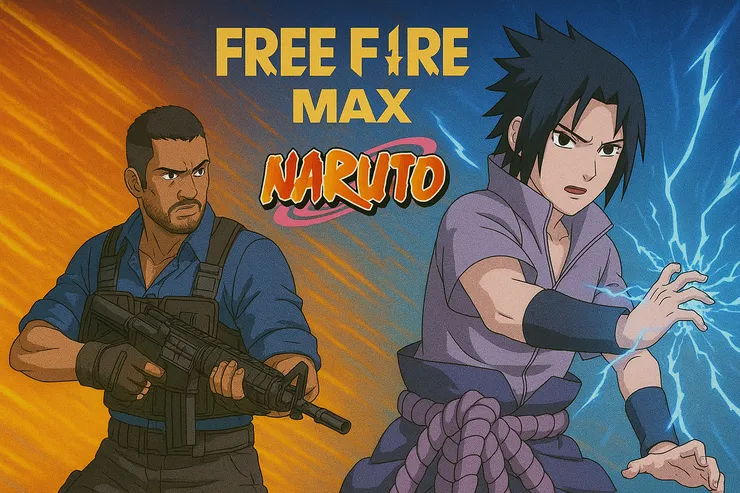
Among the most controversial mechanics was Sharingan’s “ability steal.” This skill allowed players to absorb the nearest opponent’s active ability. On paper, it sounded like a clever nod to Itachi and Sasuke’s lore. In practice, it destabilized competitive play. Opponents who carefully built strategies around their character skills found their strengths neutralized in seconds.
Matches often turned into chaotic duels where Sharingan users dominated, leading to player frustration. The sheer unpredictability undermined the game’s meta, turning strategy into guesswork.
The Case of Izanagi and Infinite Revivals
Izanagi Revive was another sticking point. This ability let players self-revive mid-battle, often turning the tide unfairly. In Clash Squad, where numbers matter, this single power created enormous imbalance. Players who managed to equip Izanagi gained almost double the survivability of others.
Competitive teams began prioritizing Izanagi builds, and tournaments saw repetitive strategies centered around it. Instead of promoting variety, Izanagi funneled players into one overpowered path, damaging the game’s diversity.
Akatsuki Powers: Too Strong for Fair Play?
Akatsuki-inspired techniques like Amaterasu and Universal Pull turned regular firefights into one-sided massacres. Amaterasu’s flame lingered for too long, denying cover areas. Universal Pull allowed players to drag enemies out of position and eliminate them instantly. These were faithful to Naruto lore but far too punishing in a competitive shooter.
What was meant to be fan service soon became a practical disadvantage for non-users. Casual players enjoyed the spectacle, but ranked ladders saw major complaints about “pay-to-win anime abilities.”
Map Dynamics and Tsukuyomi Zones
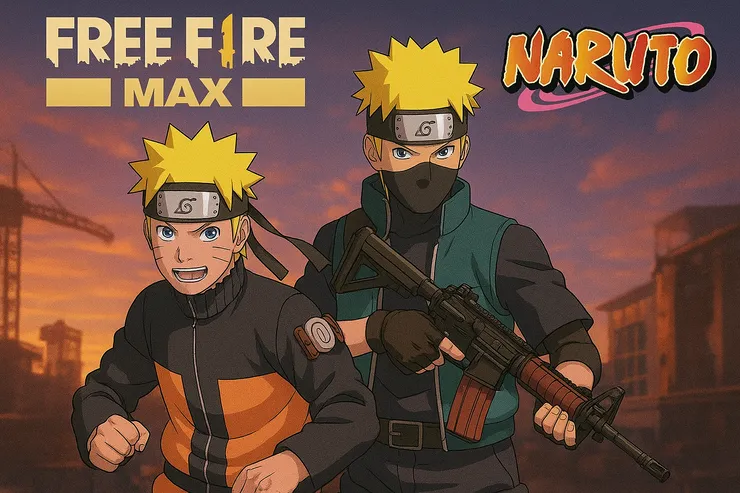
The map changes also affected balance. Tsukuyomi Zones, where enhanced loot and ninja powers spawned, created hotspots that distorted normal match flow. Players who controlled these areas gained overwhelming advantages, often snowballing to victory.
Unlike traditional loot zones, Tsukuyomi spots became unavoidable focal points, concentrating fights unnaturally. This funneled players into repetitive gameplay loops that reduced map variety and tactical exploration.
Community Backlash and Competitive Concerns
The Free Fire esports community quickly raised alarms. Professional players highlighted how unbalanced abilities undermined fair tournaments. Streamers demonstrated exploitative builds, while casual communities flooded forums with complaints.
Some players enjoyed the chaos, framing it as a limited-time event not to be taken seriously. Others argued that Garena risked alienating its competitive scene by privileging spectacle over balance.
Developer Responses and Adjustments
Garena attempted several fixes. Hot patches reduced the duration of Amaterasu flames, weakened Sharingan’s steal radius, and capped Izanagi’s revive to once per match. However, the core tension remained: too much nerfing stripped the Naruto powers of their authenticity, while too little broke the game’s competitive structure.
The developer’s communication strategy emphasized experimentation, positioning the Naruto event as both fan service and a testbed for future mechanics. While players appreciated transparency, many remained skeptical of its effects on ranked play.
Strategies for Players in the Current Meta
Despite the imbalance, players developed counter-strategies. Awareness became key: avoiding Tsukuyomi Zones unless well-prepared, keeping distance from Sharingan carriers, and focusing team fire on Izanagi users before revival could trigger.
Counterplay Checklist
- Maintain distance to reduce Sharingan’s effectiveness
- Overwhelm Izanagi users with squad fire
- Contest Tsukuyomi Zones early to avoid late-game snowballing
- Use mobility skills to escape Amaterasu flames
These tactics didn’t fully restore balance but gave competitive players tools to resist the new powers.
The Ethical Dilemma of Authenticity vs Balance
At the heart of the issue lies a philosophical dilemma: should authenticity to Naruto lore outweigh gameplay balance? Fans wanted iconic powers like Amaterasu and Izanagi to feel overwhelming because that’s how they worked in the anime. But a game thrives on fairness, not pure spectacle.
Garena attempted to walk the line, but the clash of fandom expectations and gameplay integrity remains unresolved. This collaboration exposed how difficult it is to merge two beloved universes without sacrificing one’s core identity.
Looking Forward: Lessons for Future Collaborations
The Free Fire MAX × Naruto crossover has been both a triumph and a cautionary tale. On one hand, it showcased Garena’s ambition to blend anime and gaming in unprecedented ways. On the other, it revealed the fragility of balance in competitive ecosystems when external powers are introduced.
Future collaborations may take inspiration from this event by focusing on cosmetic authenticity rather than game-breaking abilities. Skins, emotes, and voice packs create fandom excitement without undermining balance. If powers return, they must be tightly integrated with fair mechanics and counterplay options.
Conclusion
The Naruto crossover brought excitement, spectacle, and unforgettable moments to Free Fire MAX. Yet it also highlighted the central issue of balancing external powers within an established ecosystem. From Sharingan’s dominance to Izanagi’s controversial revives, the challenges of fairness weighed heavily on the community. While Garena has worked to mitigate the imbalance, the event stands as a reminder that crossovers must strike harmony between authenticity and competitive integrity. The lesson is clear: spectacle without balance risks turning victory into frustration.