





Free Kick Football: 3D Soccer is a fast-paced sports game that focuses on precision, timing, and strategy in set-piece situations. Unlike traditional soccer games, it emphasizes free kicks, penalties, and scoring under pressure. Players can compete in various leagues, tournaments, and skill challenges, testing their accuracy and creativity on the pitch.
This guide covers everything from mastering controls to advanced techniques, team setup, and scoring strategies. By following these tips, beginners and experienced players alike can improve accuracy, consistency, and performance in both casual and competitive matches.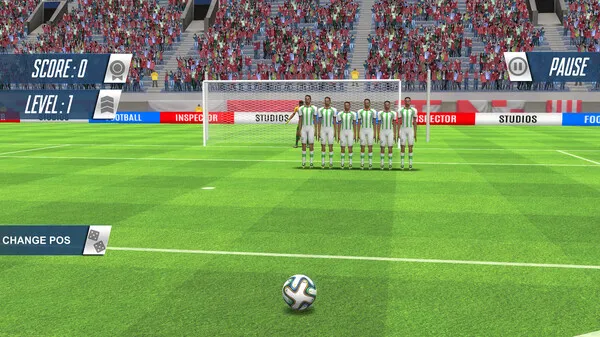
1. Getting Started with Controls
Before you can score amazing goals, you need to understand the game controls.
- Basic movement
- Use the joystick to aim and position the player.
- Adjust player placement for optimal angle on the free kick.
- Understand camera rotation for better spatial awareness.
- Shooting mechanics
- Tap or hold the shot button to adjust power.
- Use curve or swerve controls to bypass walls and goalkeepers.
- Practice timing to maximize accuracy.
2. Understanding Free Kick Dynamics
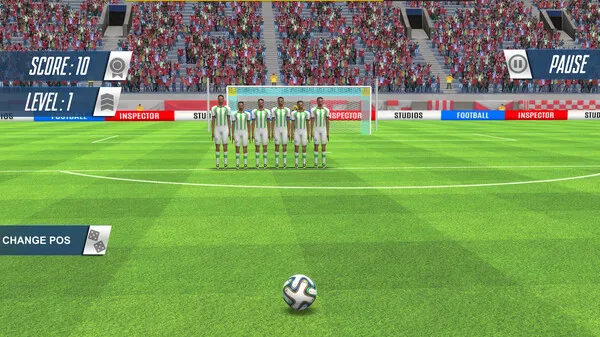
Free kicks are about strategy and precision rather than raw power.
- Distance and angle
- Closer kicks require less power and more accuracy.
- Longer kicks require higher power and precise curve control.
- Angle matters: aim for corners to increase scoring chances.
- Wall and goalkeeper positioning
- Observe wall height and position before taking a kick.
- Watch the goalkeeper’s stance and anticipate movement.
- Use feints to mislead the goalkeeper.
3. Player Selection and Attributes
Choosing the right player for each free kick is crucial.
- Player attributes
- Accuracy: Determines how likely the ball goes where you aim.
- Power: Important for long-distance shots.
- Curve: Helps bend the ball around obstacles.
- Stamina: Maintains performance throughout matches.
- Optimal choices
- High-accuracy players for short free kicks.
- High-power players for long-range attempts.
- Balanced stats for versatile situations.
4. Mastering Curve and Spin
The curve can be a game-changer for scoring.
- Applying spin
- Swipe left or right while shooting to apply curve.
- Topspin helps lift the ball over walls.
- Backspin can slow the ball near the goal.
- Practice tips
- Experiment in practice mode with different angles.
- Combine curve with power for trick shots.
- Observe how goalkeepers react to spinning shots.
5. Timing and Power Control
Hitting the sweet spot between power and timing is essential.
- Power bar usage
- Short distances need lower power to prevent overshooting.
- Longer distances require higher power without losing accuracy.
- Watch for visual cues to determine optimal timing.
- Consistency tips
- Practice repeated shots from the same position.
- Adjust for wind or environmental effects if present.
- Focus on muscle memory for better control.
6. Advanced Free Kick Strategies
- Over-the-wall shots
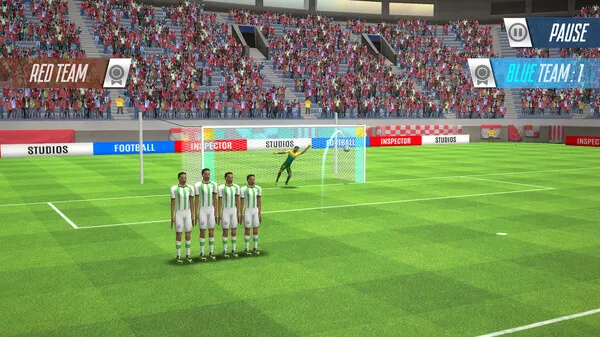
- Aim just above the wall’s tallest player.
- Apply topspin for a dipping effect near the goal.
- Anticipate goalkeeper movement for maximum effect.
- Around-the-wall shots
- Use strong curve to bend the ball around defenders.
- Angle is critical: practice measuring distance to goal.
- Combine with sudden power changes for unpredictability.
- Feints and distractions
- Fake a shot or curve to mislead the goalkeeper.
- Position teammates to block vision temporarily.
7. Penalty Kicks and One-on-One Challenges
- Penalty basics
- Take a moment to aim carefully; timing matters.
- Use slight curve for more unpredictable shots.
- Avoid rushing—goalkeepers react quickly.
- One-on-one scenarios
- Observe the goalkeeper’s initial stance.
- Use slow dribble followed by sudden shot.
- Vary placement to keep opponents guessing.
8. Tournament and League Tips
- Team setup
- Balance your team with accurate shooters and power specialists.
- Assign players based on free kick distances.
- Rotate players to avoid fatigue.
- Match strategy
- Take advantage of early free kicks for momentum.
- Analyze opposing goalkeeper patterns.
- Use practice mode to memorize tricky angles.
9. Multiplayer and Competitive Play
- Observing opponents
- Watch other players’ shooting style to anticipate strategy.
- Learn from top players’ angles and power use.
- Improving rankings
- Focus on accuracy and consistency over flashy shots.
- Participate in daily challenges for experience.
- Practice under pressure to simulate tournament conditions.
10. Long-Term Improvement
- Skill refinement
- Repeated practice builds muscle memory for curves and timing.
- Record shots to analyze mistakes.
- Adapting to updates
- Watch for new stadiums, ball physics, or player stats changes.
- Adjust strategies to maintain performance.
- Mental focus
- Stay calm under pressure for better shot control.
- Avoid frustration after missed kicks—consistency comes with practice.
Pros and Cons of Free Kick Football: 3D Soccer
Pros
- Fun, skill-based gameplay focused on free kicks.
- Easy to pick up, challenging to master.
- Multiple strategies for curve, power, and angles.
- Competitions and tournaments add replayability.
Cons
- Limited gameplay beyond free kicks.
- Can feel repetitive without variety.
- Multiplayer may have skill gaps between players.
Conclusion
Free Kick Football: 3D Soccer is an engaging, fast-paced sports game that rewards precision, timing, and strategic thinking. By mastering controls, understanding player attributes, and practicing advanced techniques like curve and spin, players can dominate tournaments and score spectacular goals.
Whether you play casually or competitively, the game offers satisfying challenges for every free kick enthusiast. Consistent practice and strategic thinking will turn any player into a free kick expert.
Final Rating
Free Kick Football: 3D Soccer – 8.5/10
A skill-focused, addictive sports game that offers fun and challenge, perfect for soccer fans who enjoy precision-based gameplay.