
Introduction
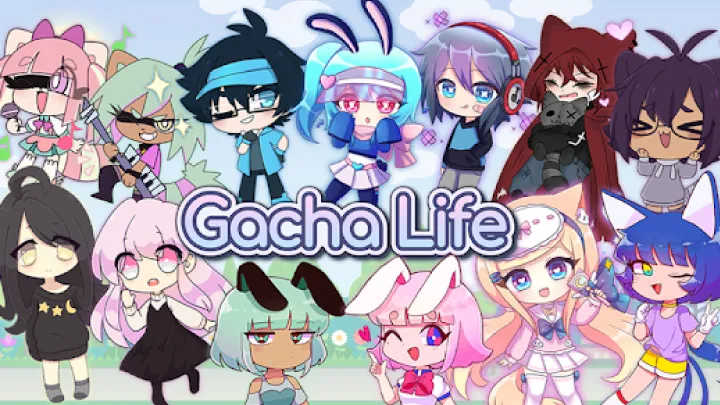
Gacha Life, developed by Lunime, is not just a dress-up or role-playing game. It has become a global platform for self-expression, storytelling, and creative design, particularly popular among young players. With its chibi-style characters, endless customization, and the ability to create skits, videos, and stories, Gacha Life has built a massive online community. Yet, beneath its colorful surface lies a controversial issue: content moderation.
The community-driven nature of Gacha Life has encouraged creativity but also opened the door to inappropriate, harmful, or misused content. This article dives deeply into how moderation has shaped the game’s culture, the challenges developers face, and the ongoing battle to balance freedom of expression with safety for its largely young audience.
The Early Rise of Gacha Life Content
When Gacha Life first launched, it immediately attracted players who loved customizing characters. What set it apart was not just the game itself but the ability to export screenshots and videos for platforms like YouTube and TikTok. Suddenly, Gacha Life was more than a game—it became a tool for storytelling.
Creators began making skits, music videos, and even full-length animated series. The accessibility of tools allowed younger audiences to participate in digital content creation for the first time. While this sparked creativity, it also meant content was largely unregulated outside the game itself.
The Growth of Gacha Tubers
By 2019, a new wave of YouTubers called “GachaTubers” dominated online spaces. These creators used Gacha Life’s studio mode to animate stories ranging from light-hearted comedies to dark, dramatic narratives. The community exploded in popularity, drawing millions of viewers worldwide.
However, with growth came problems. Some creators began pushing boundaries, using Gacha Life to produce content with mature themes that were inappropriate for the game’s intended age group. This trend quickly became a point of concern for parents, educators, and even Lunime itself.
The Challenge of Young Audiences
One of the most significant challenges Gacha Life faces is its demographic. A large portion of players are children and pre-teens. Unlike other creative platforms like Roblox or Minecraft, Gacha Life has fewer built-in moderation systems to filter what players create once content leaves the game environment.
This led to widespread issues with “Gacha Heat”—a controversial trend where players created overly sexualized or violent skits with the game’s characters. While not part of the official game, this type of content spread across social media, tainting the community’s reputation and raising safety concerns.
Developer Response to Inappropriate Content
Lunime was quick to clarify its stance. The developers publicly disapproved of inappropriate uses of the game and emphasized that Gacha Life was designed for fun, lighthearted creativity. Updates were rolled out to restrict certain poses, outfits, or animations that could be misused.
Despite these efforts, moderation remained difficult. Because most content creation occurs outside the game—in YouTube videos, TikTok clips, or screenshots—Lunime had limited control over what the community published. This created a constant cat-and-mouse dynamic between developers and players pushing boundaries.
Community Divisions Over Content
The moderation issue divided the Gacha Life community. On one side, there were players and parents calling for stricter controls, fearing the exposure of children to harmful content. On the other side, some creators argued that restricting poses and options limited artistic freedom.
Sub-communities emerged:
- Family-friendly Gacha creators promoting wholesome content
- Story-driven GachaTubers experimenting with darker themes
- Gacha Heat creators pushing boundaries despite criticism
These divisions highlighted how a single platform could be interpreted in vastly different ways depending on the creator’s intentions.
The Role of Social Media Platforms
While Lunime provided the game, platforms like YouTube and TikTok became the true battlegrounds for moderation. Algorithms often amplified controversial or shocking content, rewarding creators who pushed boundaries with more views and engagement.
This raised critical questions: Who holds the responsibility for moderation—the developers of Gacha Life or the social media platforms where content spreads? Both parties struggled to address the problem effectively, and often inappropriate content remained accessible for long periods before being removed.

Psychological Impact on Players
For younger players, exposure to inappropriate Gacha content can be harmful. Studies on digital media show that children are highly impressionable, and repeated exposure to adult themes at an early age can distort perceptions of relationships, violence, or identity.
At the same time, the majority of the community experienced positive effects. Many players reported feeling empowered by creating stories, finding online friendships, and building confidence through content creation. The dual nature of Gacha Life—creative outlet versus unsafe exposure—reflects the complexity of moderation challenges.
The Evolution Into Gacha Club
In 2020, Lunime released Gacha Club, a follow-up that expanded customization while also addressing some of the criticisms of Gacha Life. Gacha Club included stricter pose options, more in-game activities, and reduced potential for inappropriate misuse.
While Gacha Club slowed the spread of harmful trends, it did not eliminate them. Content creation outside the game continued, proving that moderation is not only a game developer issue but also a community-wide responsibility.
Lessons for Future Creative Platforms
Gacha Life’s moderation challenges provide lessons for future games and platforms targeting young audiences. Developers must design with safety in mind from the start, embedding protective systems that prevent misuse without stifling creativity.
Key lessons include:
- Stronger parental controls and reporting features
- Collaboration between game developers and social media platforms
- Clearer community guidelines and education for younger players
- Balancing freedom of expression with protection for vulnerable users
These lessons extend beyond Gacha Life, influencing how future creative games like Gacha Club, Roblox, or similar platforms are designed.
The Future of Gacha Life and Its Community
The future of Gacha Life depends on how well developers and the community adapt. Lunime has shown commitment to updating its games while discouraging inappropriate content, but lasting change requires cultural shifts within the community itself. Encouraging positive trends, celebrating wholesome creators, and empowering parents with tools are all steps toward creating a safer and more enjoyable environment.
Ultimately, Gacha Life remains a powerful tool for creativity. The moderation issue, while problematic, highlights the immense cultural impact the game has had. Few mobile games can claim to have shaped entire online communities and youth-driven content movements in the way Gacha Life has.

Conclusion
Gacha Life is more than a game—it is a platform of imagination, expression, and community. Yet its greatest strength has also revealed its greatest weakness: the struggle of content moderation. Balancing the creative freedom of millions of young players with the responsibility to protect them remains a complex task. While Lunime continues to refine its approach, the broader community also holds responsibility in shaping the future of Gacha Life. In the end, moderation challenges remind us that creativity and responsibility must evolve hand in hand for online platforms to thrive.