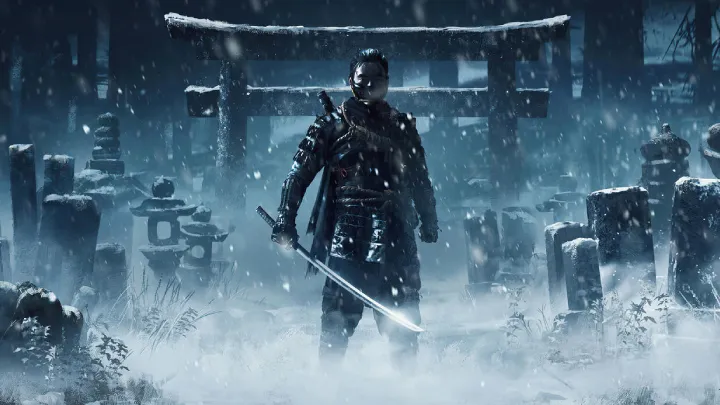



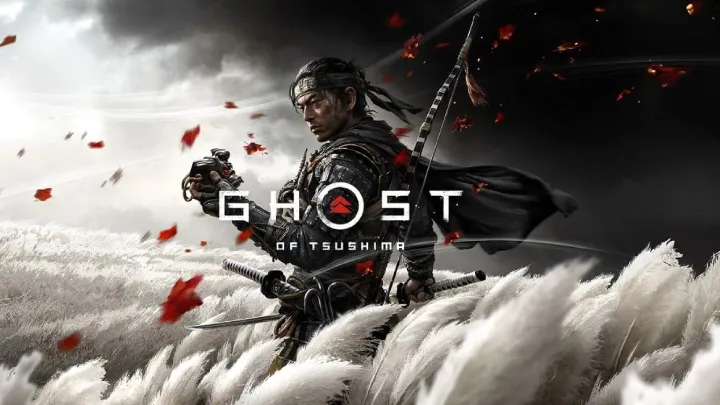
Ghost of Tsushima, developed by Sucker Punch Productions, is an action-adventure game set in feudal Japan during the Mongol invasion. It tells the story of Jin Sakai, a samurai warrior who must navigate the complexities of honor, tradition, and survival in a rapidly changing world. While the game has been praised for its stunning visuals, engaging combat, and rich storytelling, one of the most compelling themes is the dichotomy between honor and survival. This article will explore how this theme is intricately woven throughout the gameplay, character development, and narrative structure, providing a nuanced look at the choices faced by Jin as he transforms from a traditional samurai to the Ghost of Tsushima.
The Samurai Code: Honor in Conflict
Introduction to Bushido
At the beginning of Ghost of Tsushima, players are introduced to the code of Bushido, the moral code that governs the samurai. This code emphasizes honor, loyalty, and discipline, shaping the identity and actions of samurai warriors. For Jin Sakai, adhering to this code is a matter of personal pride and familial legacy. The game opens with a fierce battle against Mongol invaders, showcasing Jin's commitment to the samurai way of life.
This initial conflict sets the stage for Jin's internal struggle. As he witnesses the destruction of his homeland and the suffering of his people, the rigid principles of Bushido begin to clash with the harsh realities of war. This conflict becomes a central theme as Jin is forced to question whether strict adherence to honor is truly the best path to save Tsushima.
The Cost of Honor
The game expertly illustrates the cost of honor through its combat mechanics and storytelling. Players engage in traditional samurai duels that emphasize the importance of timing, precision, and respect for the opponent. These encounters are not just battles; they are a reflection of Jin's values and the code he upholds. However, as the game progresses, players witness the dire consequences of this code when faced with overwhelming odds.
The Mongol invasion forces Jin to confront the limitations of honor. He sees his fellow samurai being slaughtered and his people suffering under the yoke of tyranny. This realization prompts a profound shift in Jin's character, as he begins to question whether honor alone can protect Tsushima. The narrative is steeped in the tension between maintaining one's principles and the necessity of survival, setting the stage for Jin's transformation.
The Emergence of the Ghost
A New Path
As Jin grapples with the loss of his family and homeland, he adopts the persona of the Ghost, a figure who operates outside the traditional samurai code. This shift represents a significant turning point in the narrative. The Ghost embodies cunning, stealth, and ruthlessness—qualities that stand in stark contrast to the noble ideals of a samurai.
The gameplay mechanics also evolve to reflect this transformation. Players gain access to new abilities that emphasize stealth, deception, and guerrilla tactics. This shift not only changes how players approach combat but also highlights the moral complexities of Jin's choices. As the Ghost, Jin is willing to use underhanded tactics to achieve his goals, raising questions about the cost of survival versus the cost of honor.
The Rejection of Bushido
Jin's transformation into the Ghost is marked by his rejection of Bushido's traditional values. He begins to use fear as a weapon against the Mongols, employing tactics that his samurai ancestors would have deemed dishonorable. This evolution is not without consequence; Jin faces opposition from his fellow samurai and his uncle, Lord Shimura, who embodies the unwavering adherence to the samurai code.
The tension between Jin and Shimura highlights the generational divide regarding honor and survival. While Shimura believes that upholding Bushido is essential to reclaiming Tsushima, Jin argues that the old ways are insufficient in the face of such a ruthless enemy. This conflict serves as a microcosm of the broader themes present in the game, illustrating the struggle between tradition and adaptation.
The Weight of Choices
Moral Ambiguity
One of the most compelling aspects of Ghost of Tsushima is its exploration of moral ambiguity. Throughout the game, players are faced with decisions that force them to confront the implications of Jin's actions. As the Ghost, Jin must choose between methods that uphold his values or those that ensure his survival. This choice is not merely a gameplay mechanic; it serves as a narrative device that deepens the emotional resonance of the story.
The game presents players with moments of ethical dilemma, such as deciding whether to spare a defeated enemy or execute them to send a message. These choices impact not only the immediate circumstances but also Jin's relationships with other characters. For instance, sparing an enemy may lead to unexpected alliances later in the game, while executing them could have dire consequences for Jin's standing among his allies.
Consequences of Choices
The consequences of these moral choices manifest in multiple ways. Players can witness the emotional toll of Jin's decisions on his relationships with characters like Yuna and Shimura. The game effectively uses these relationships to illustrate the impact of Jin's transformation on those around him. As he embraces the Ghost persona, Jin's actions begin to alienate him from his allies, creating a sense of isolation that underscores the personal cost of survival.
Moreover, the game employs a unique honor system that tracks Jin's actions. Players can choose to embrace the path of the samurai or fully commit to the Ghost's methods, impacting the narrative's outcome. This duality allows players to explore the complexities of Jin's character and the consequences of their choices, reinforcing the central theme of honor versus survival.
The Role of Allies
Companions on the Journey
Throughout Ghost of Tsushima, Jin is not alone in his quest. He is accompanied by a cast of memorable characters who each contribute to his journey and the overarching narrative. Characters like Yuna, a skilled thief, and Norio, a warrior monk, provide different perspectives on the conflict and the choices that Jin faces.
These companions serve as foils to Jin's character, each representing different values and approaches to the struggle against the Mongols. Yuna, for instance, embodies the necessity of survival over honor, advocating for pragmatism in the face of overwhelming odds. Her relationship with Jin highlights the tension between their differing ideologies, forcing Jin to confront the reality of his situation.
The Impact of Relationships
The relationships Jin forms with his allies are integral to the story's emotional depth. As players progress, they witness the evolution of these friendships and the challenges they face. The game explores themes of loyalty, sacrifice, and the price of survival through these interactions, enriching the narrative experience.
Moreover, the characters' backstories and motivations are interwoven with Jin's journey, creating a multi-layered narrative that reflects the complexities of war. The struggles faced by Yuna and Norio serve as a reminder of the human cost of conflict, reinforcing the theme that survival often comes at a significant personal sacrifice.
The Symbolism of the Landscape
Tsushima as a Character
The island of Tsushima itself is a character in Ghost of Tsushima, serving as both a backdrop and a reflection of the narrative's themes. The game's stunning visuals and meticulous attention to detail create an immersive experience that allows players to explore the rich history and culture of feudal Japan. The landscapes, from lush forests to serene beaches, are not only visually striking but also imbued with symbolism.
The beauty of Tsushima contrasts sharply with the violence and destruction wrought by the Mongol invasion. As players traverse the island, they witness the impact of war on the land and its people. This juxtaposition serves to underscore the stakes of Jin's journey, highlighting the urgency of his mission to protect his home.
The Changing Environment
As Jin progresses through the game, the environment changes in response to his actions. Areas that were once vibrant and teeming with life become scarred by conflict as the Mongols gain control. This dynamic representation of the landscape serves as a reminder of the consequences of Jin's choices, reinforcing the theme of survival.
The landscape also acts as a conduit for Jin's internal struggles. As he embraces the Ghost persona, the once-familiar terrain becomes a battleground for his identity. This transformation of the environment reflects Jin's evolving sense of self and the complexities of his journey toward survival.
The Climax: Facing the Consequences
The Final Confrontation
As the narrative reaches its climax, Jin must confront the consequences of his actions. The final confrontation with Lord Shimura serves as a culmination of the tensions that have built throughout the game. This encounter is not merely a physical battle; it represents a clash of ideologies and the ultimate test of Jin's character.
The emotional weight of this confrontation is palpable, as players witness the culmination of Jin's journey from a loyal samurai to the Ghost. The choices made throughout the game lead to a moment that forces Jin to grapple with the impact of his transformation, questioning whether the path he has chosen was worth the cost.
The Resolution of Honor and Survival
The resolution of the conflict with Shimura presents players with a poignant choice that encapsulates the theme of honor versus survival. Depending on the player's decisions, the outcome can vary, illustrating the complexities of Jin's character and the duality of his journey. This moment serves as a powerful reminder of the sacrifices made along the way and the relationships that have been forged and broken.
The climax not only resolves the narrative arc but also leaves players with lingering questions about the nature of honor and the price of survival. Jin's journey culminates in a reflection on the choices made and the impact they have on both himself and the people of Tsushima.
The Legacy of Ghost of Tsushima
A New Standard in Gaming
Ghost of Tsushima has set a new standard in storytelling within video games. Its exploration of complex themes such as honor, survival, and the consequences of choice has resonated with players and critics alike. The game successfully intertwines narrative and gameplay, creating an immersive experience that encourages players to reflect on their actions and the world around them.
The impact of Ghost of Tsushima extends beyond its narrative; it has also influenced the gaming landscape by showcasing the potential of open-world design to convey meaningful stories. The attention to detail in character development, environmental storytelling, and moral complexity has raised the bar for future titles.
Cultural Representation
Furthermore, Ghost of Tsushima has sparked discussions about representation in gaming. By centering the narrative on Japanese culture and history, the game provides an authentic portrayal of a significant period in Japan's past. This representation has been met with both praise and scrutiny, highlighting the importance of cultural sensitivity in game development.
As the gaming industry continues to evolve, Ghost of Tsushima stands as a testament to the power of storytelling and the potential for games to explore complex themes. Its legacy will likely influence future titles, encouraging developers to delve deeper into the narratives they create.
Conclusion
Ghost of Tsushima is a masterful exploration of the dichotomy between honor and survival. Through the journey of Jin Sakai, players are invited to confront the complexities of choice, morality, and the impact of their actions. The game deftly navigates the tensions between tradition and adaptation, illustrating the sacrifices made in the name of survival.
As players traverse the stunning landscapes of Tsushima, they witness the profound emotional weight of Jin's transformation from samurai to Ghost. The relationships he forms, the choices he makes, and the consequences he faces all contribute to a narrative that resonates long after the credits roll.