




Introduction
Gorilla Tag has quickly become one of the most popular VR games due to its unique locomotion system and thrilling multiplayer chases. Unlike most VR titles that rely on analog sticks, Gorilla Tag requires players to move their bodies physically—pushing themselves off the ground and walls like an actual gorilla. This makes it one of the most physically demanding and immersive VR experiences available.
But while the concept seems simple—tag or avoid being tagged—the game requires strategy, skill, endurance, and awareness to truly master. Whether you’re brand new or looking to sharpen your movement skills, this guide covers everything from beginner fundamentals to advanced tactics.
1. Understanding the Basics of Gorilla Tag
Before becoming a pro, you need to fully grasp the mechanics that make Gorilla Tag unique.
Movement System
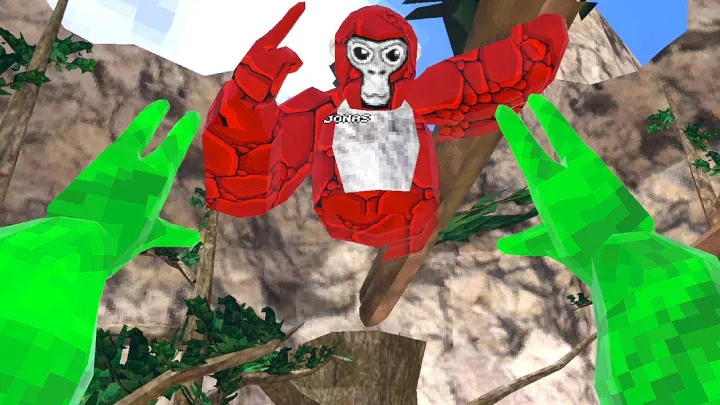
In Gorilla Tag, you move with your arms, pushing off surfaces to climb, run, or jump. There’s no joystick movement—your body is the controller.
Objectives of the Game
- Infection Mode: Avoid being tagged by infected gorillas.
- Hunt Mode: Each player is assigned a target to chase.
- Tag Mode: Classic tag gameplay.
Knowing the rules of each mode ensures you can adjust your strategy accordingly.
2. Mastering Basic Movement
Getting comfortable with locomotion is the first step to enjoying and improving at Gorilla Tag.
Running on the Ground
Instead of hopping, swing your arms low and push backward in a rhythm. This keeps speed consistent.
Jumping
Push harder with both arms simultaneously for stronger jumps. Practice timing so you don’t overshoot ledges.
Common Beginner Mistakes
- Moving arms too fast without control.
- Bouncing up and down instead of forward.
- Forgetting to use walls and terrain for extra mobility.
3. Climbing and Wall Skills
Climbing separates beginners from advanced players.
Wall Climbing
- Place hands on the wall alternately.
- Pull down and push into the wall to gain height.
- Start on easy surfaces before attempting harder climbs.
Wall Running
Use quick diagonal pushes to “stick” to walls and maintain lateral momentum.
Branch Climbing
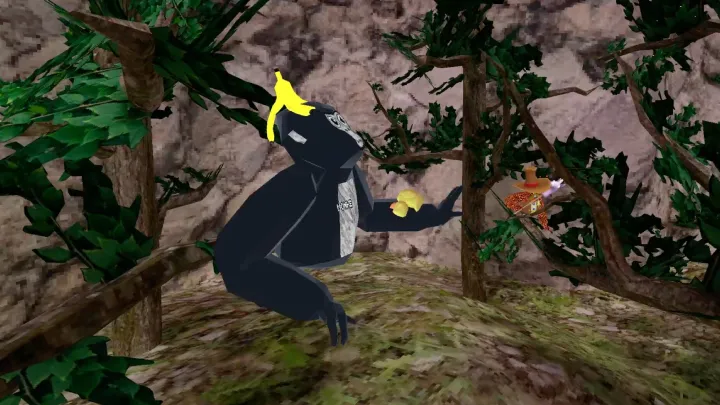
Branches are powerful escape tools. Practice pulling yourself up trees smoothly to outmaneuver hunters.
4. Map Awareness and Positioning
Knowing the map is as important as movement.
Studying the Environment
Each map—Forest, Caves, Canyon, Mountains, and Clouds—has unique escape routes and hiding spots.
Strategic Positioning
- Stay near high ground to gain visibility.
- Keep escape routes in mind.
- Avoid dead zones with limited mobility.
Good positioning allows you to predict and avoid being cornered.
5. Playing Offense: Tagging Effectively
Tagging requires patience and accuracy.
Closing the Gap
Don’t just chase directly—cut off angles and predict where your target will go.
Advanced Tagging Moves
- Wall Pinch: Trap players against walls.
- Leap Tag: Jump from above to surprise opponents.
Common Mistakes
- Wasting energy sprinting endlessly.
- Following too closely instead of predicting.
6. Playing Defense: Avoiding Tags
The best players know how to stay calm under pressure.
Evasion Techniques
- Zigzag instead of running straight.
- Use trees, branches, and walls to break line of sight.
- Fake movements to trick opponents.
Energy Management
Don’t exhaust yourself too early. Move efficiently so you can escape in late chases.
7. Developing Advanced Skills
Once you’re comfortable, you can add advanced movement techniques.
Lucio Running
Push at sharp angles to run along vertical walls quickly.
Slippery Walls
On maps like Mountains, practice sliding mechanics to escape tags.
Speed Boosting
Chain jumps and wall pushes for maximum acceleration.
8. Practicing and Training Outside Matches
The best players practice intentionally.
Solo Training Ideas
- Time yourself climbing trees.
- Set movement drills (wall climbs, branch hops, continuous runs).
- Record gameplay to spot inefficiencies.
Custom Rooms
Play with friends in private lobbies to test strategies without pressure.
9. Multiplayer Communication and Team Play
Gorilla Tag isn’t just solo skill—it’s about interacting with others.
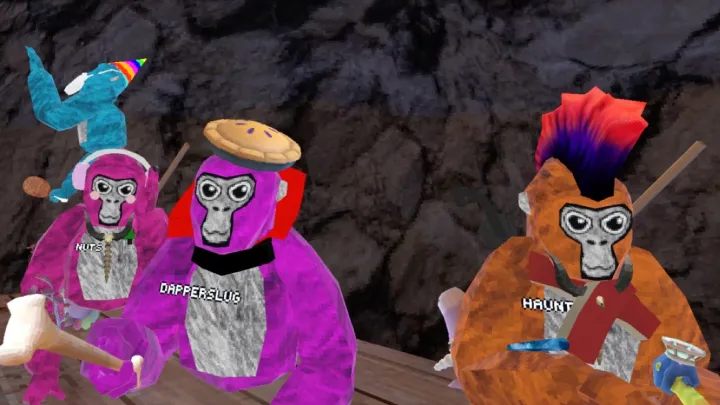
Communication Tips
- Call out locations of infected players.
- Coordinate tagging in Hunt mode.
- Share escape strategies with newer players.
Social Etiquette
Respect other players—avoid toxicity. Community reputation matters in Gorilla Tag.
10. Building Endurance and Staying Safe in VR
Since Gorilla Tag is physically demanding, endurance and safety are crucial.
Physical Fitness
- Stretch before playing.
- Play in sessions to avoid overuse injuries.
- Stay hydrated.
VR Safety Tips
- Clear your play area.
- Use wrist straps to prevent controller damage.
- Take breaks to avoid motion sickness.
Conclusion
Gorilla Tag may look like a simple VR game, but beneath its playful surface lies a deeply competitive and skill-driven experience. From mastering locomotion basics to advanced climbing, wall techniques, and mental endurance, every improvement you make enhances your survival and tagging ability.
The key is patience—Gorilla Tag rewards practice and creativity. Learn the maps, move efficiently, and always adapt to the situation. Whether you’re dodging skilled hunters or landing the perfect tag, every game teaches you something new.
With consistent training and the tips shared in this guide, you’ll soon transform from a beginner struggling with basic jumps to a gorilla master outmaneuvering opponents with ease.