


Introduction
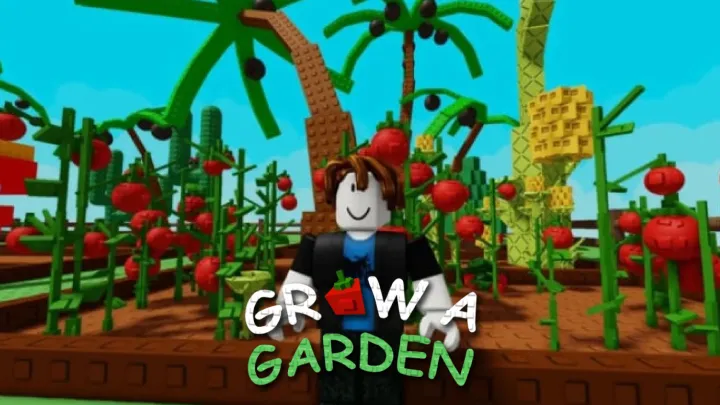
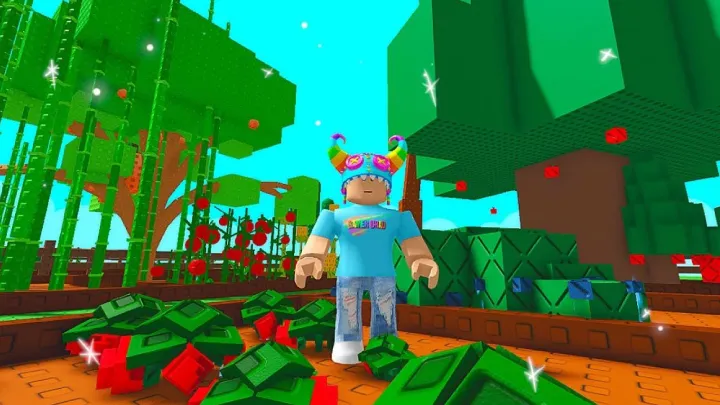
Gardening has always been a rewarding hobby in real life, and the Grow a Garden game captures that joy digitally. Whether you’re planting seeds, harvesting crops, or designing a beautiful virtual yard, the game combines creativity with strategy. While it looks simple at first, mastering it requires proper planning, time management, and clever resource use. This guide will walk you through every essential aspect of Grow a Garden, from starting out as a beginner to advanced gardening strategies that make your virtual oasis thrive.
1. Getting Started: The Basics of Grow a Garden
Every gardener, real or virtual, starts with the basics. In Grow a Garden, your first tasks involve preparing the soil, planting seeds, and understanding the growth cycle.
Learning the Game’s Interface
Familiarize yourself with the toolbar, inventory, and shop. Knowing where to find seeds, tools, and decorations makes your gardening smoother.
Starting with Easy Crops
Begin with quick-growing plants like lettuce, carrots, or sunflowers. They grow fast and give you confidence as you learn.
Why Patience is Key
Plants take time to grow. Resist the urge to spend all your resources rushing crops—you’ll need them later for better investments.
2. Choosing the Right Seeds and Plants
Selecting the right plants for your garden is one of the most important decisions. Each plant has unique growth times, water needs, and value.
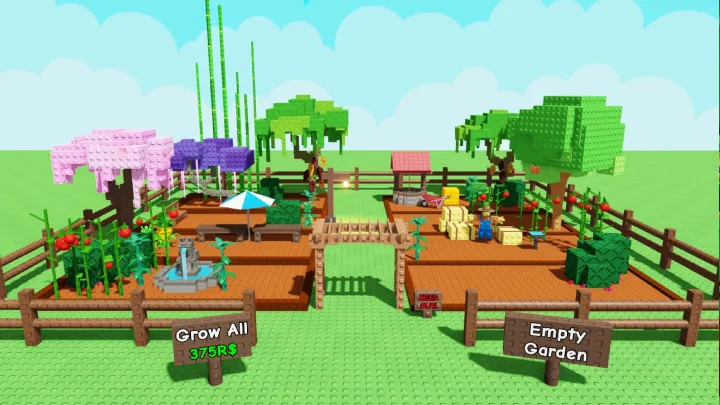
Categories of Plants
- Vegetables: Fast-growing, essential for early-game income.
- Flowers: Slower but add beauty and special bonuses.
- Trees: Long-term investment, provide consistent harvests once mature.
Tips for Beginners
- Don’t spread yourself too thin with too many plant types at once.
- Focus on a few that suit your playing style—fast income vs. long-term rewards.
Seasonal Growth Cycles
Some plants thrive only in certain in-game seasons. Keep track of the calendar so you don’t waste resources planting out-of-season crops.
3. Soil Preparation and Fertilization
Healthy soil leads to strong plants. In Grow a Garden, soil management determines how quickly and successfully your crops grow.
Soil Types
- Basic Soil: Cheapest but requires frequent watering.
- Rich Soil: Costs more but boosts plant growth speed.
- Specialty Soil: Tailored for rare plants with unique effects.
Fertilizers and Boosters
Fertilizers increase yield and shorten growth times. Use them wisely, especially on rare or high-value crops.
Pro Tip: Save premium fertilizers for late-game plants rather than wasting them early.
4. Watering and Plant Care
Just like real gardening, your plants in Grow a Garden need consistent care.
Watering Schedule
- Daily watering: Most common plants need it once per in-game day.
- Overwatering: Can harm certain flowers or delay growth.
- Drought-resistant plants: Require less attention, perfect if you can’t log in frequently.
Pest Control
- Basic pesticides help protect plants from bugs.
- Natural methods like companion planting can prevent infestations without chemicals.
List: Signs of Unhealthy Plants
- Drooping leaves → Lack of water
- Brown spots → Overexposure or disease
- Slow growth → Poor soil or missed watering
5. Designing Your Garden Layout
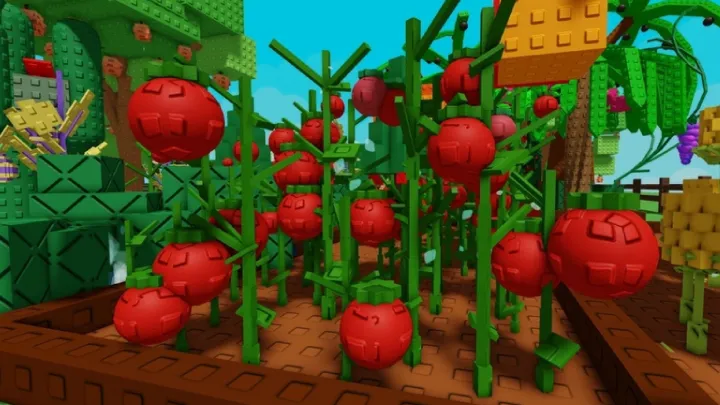
A beautiful garden is not only functional but also aesthetically pleasing. Layout plays a huge role in maximizing space and efficiency.
Functional Layout
- Plant vegetables in neat rows for easy harvesting.
- Place flowers along pathways to create visual appeal.
- Reserve corners for trees—they need more space.
Decoration & Customization
- Benches, fountains, and fences can turn your garden into a showpiece.
- Combine practical planting with design flair for the best results.
Advanced Layout Strategy
Use a checkerboard pattern to alternate between high-water and low-water plants. This saves time when caring for your crops.
6. Harvesting and Resource Management
Harvesting is the most rewarding part of gardening. But timing and strategy can make it even more profitable.
Harvesting Tips
- Don’t harvest too early—wait until crops are fully mature for maximum yield.
- Use tools like scythes for batch harvesting to save time.
Resource Management
- Always save some seeds from your harvest for replanting.
- Sell surplus crops in the market for coins.
- Store rare items for future quests or upgrades.
The Golden Rule of Resource Use
Never sell all of your resources. Keep a buffer for emergencies like seasonal quests or limited-time events.
7. Special Events and Seasonal Quests
Grow a Garden often hosts in-game events tied to holidays or seasonal cycles. These offer rare rewards and fun challenges.
Examples of Events
- Spring Blossom Festival: Plant rare flowers for unique decorations.
- Harvest Season: Double yield for vegetables.
- Winter Wonderland: Collect snow plants for exclusive items.
How to Maximize Events
- Save resources before an event so you’re prepared.
- Focus only on event-specific crops for maximum efficiency.
- Join community challenges to unlock bonuses faster.
8. Tools, Upgrades, and Power-Ups
As your garden grows, basic tools won’t cut it anymore. Upgrading is essential for efficiency.
Essential Tools
- Watering Can: Upgrade to cover multiple plants at once.
- Hoe & Shovel: Needed for soil preparation and replanting.
- Sprayers: Help with pest control over larger areas.
Power-Ups
- Speed Boost: Speeds up plant growth.
- Harvest Boost: Increases crop yield.
- Energy Drinks: Let you perform more actions per session.
Tip: Prioritize tool upgrades over decorations early on—efficiency pays off long-term.
9. Community Features and Trading
Grow a Garden isn’t just about solo play—it thrives on community interaction.
Joining a Gardening Club
- Clubs provide bonuses like shared seeds and cooperative challenges.
- Exchange tips with experienced players to learn faster.
Trading and Marketplace
- Sell surplus crops to other players.
- Buy rare seeds or fertilizers when you can’t earn them yourself.
- Watch the market—prices fluctuate, so timing matters.
10. Advanced Strategies for Master Gardeners
Once you’ve mastered the basics, it’s time to think like a pro.
Crop Rotation
- Alternate plant types in the same soil to prevent nutrient depletion.
- Example: Vegetables → Flowers → Trees cycle.
Maximizing Passive Growth
- Choose long-growth crops when you know you’ll be offline.
- Set reminders for harvest time to avoid wasted crops.
Experimenting with Hybrids
Some updates introduce hybrid plants. Cross-breeding creates rare crops with unique rewards.
Checklist for Advanced Players
- Rotate crops for sustainability.
- Focus on rare seeds from events.
- Optimize layout for both aesthetics and efficiency.
- Stay active in the community for rewards.
Conclusion
Grow a Garden is more than just a farming game—it’s a mix of strategy, patience, and creativity. By starting with the basics, mastering soil care, watering schedules, harvesting strategies, and seasonal events, you can turn a small patch of land into a thriving paradise. Whether you want to play casually or competitively, these tips and guides will help you unlock the full potential of your virtual garden.