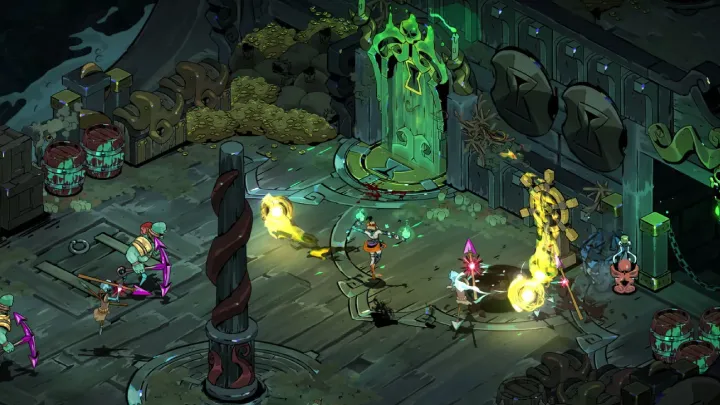




Hades, developed by Supergiant Games, is a rogue-like dungeon crawler that has captivated players since its release in 2020. Set in the mythological underworld, players take on the role of Zagreus, the son of Hades, as he attempts to escape his father's realm. What sets Hades apart from other games in the genre is its innovative narrative structure and the way it intertwines character development with gameplay mechanics. This article will delve deeply into the theme of repetition in Hades, exploring how it serves not only as a core gameplay mechanic but also as a narrative device that enhances character arcs and emotional depth.
The Cycle of Escape
Introduction to the Escape Mechanic
From the moment players step into the shoes of Zagreus, they are thrust into a cycle of escape. Each run begins with Zagreus attempting to break free from the Underworld, facing a series of increasingly challenging foes and obstacles. The game employs a unique mechanic where death is not the end; instead, it serves as a catalyst for growth, learning, and narrative progression.
This cycle of repetition is integral to the game's design. Players are encouraged to embrace failure as part of the journey, learning from each death while retaining the knowledge and skills gained in previous runs. This structure creates an engaging loop where players feel a sense of progression despite facing the same challenges repeatedly.
The Role of the House of Hades
The House of Hades serves as the central hub where players return after each failed escape attempt. This location is rich with character interactions, lore, and upgrades. Each time Zagreus returns, players can engage with various characters, from his father Hades to the many gods and spirits of the Underworld. These interactions add depth to the narrative, as players uncover the relationships and histories of the characters through dialogue and side quests.
The repetition of returning to the House of Hades emphasizes the theme of growth and development. As players progress through the game, the dynamics between Zagreus and the other characters evolve, reflecting the impact of his repeated attempts to escape. This continuous interaction fosters a sense of familiarity and emotional connection, making each return feel significant.
Narrative Depth Through Repetition
Character Development and Relationships
The cyclical nature of Hades allows for profound character development. As Zagreus interacts with the denizens of the Underworld, players witness the evolution of relationships that unfold over repeated runs. Each conversation reveals new layers to the characters, deepening players’ understanding of their motivations, fears, and desires.
For instance, the relationship between Zagreus and his father, Hades, is particularly complex. Initially, Hades appears as a stoic and authoritative figure, but as players progress, they discover the underlying emotions and tensions in their relationship. This gradual unveiling of character depth is made possible by the repetition of the gameplay loop, allowing players to engage with the narrative on a more intimate level.
The Impact of Choice on Narrative
In addition to character interactions, players are presented with choices that can influence the narrative. The relationships Zagreus forms with various gods and characters can lead to different story outcomes, enhancing replayability. Players may choose to pursue specific characters for boons and upgrades, which can affect their interactions and the storyline.
This dynamic creates a rich tapestry of narratives that reflect the consequences of player choices. The repetition of gameplay serves as a canvas for these choices, allowing players to explore different paths and outcomes based on their decisions. This layered storytelling approach deepens the emotional investment in the characters and their arcs.
The Emotional Weight of Failure
Embracing Failure as a Theme
One of the most striking aspects of Hades is its treatment of failure. In many games, death is often seen as a setback or punishment, but in Hades, it is embraced as a natural part of the experience. Each time players die, they return to the House of Hades, where they can reflect on their journey and interactions.
This embrace of failure allows players to engage with the narrative in a meaningful way. Instead of feeling discouraged by death, players are encouraged to view it as an opportunity for growth and understanding. This thematic approach resonates with the game's underlying messages about perseverance, self-discovery, and the importance of relationships.
The Emotional Resonance of Character Interactions
The emotional weight of failure is further amplified by the interactions with other characters. Each death provides an opportunity for Zagreus to engage with characters in new ways, revealing their thoughts and feelings about his attempts to escape. For example, characters like Thanatos and Megara offer insights into their own struggles, creating a shared understanding of the challenges they face.
These conversations often carry emotional resonance, as they reflect the vulnerabilities and insecurities of each character. This connection between Zagreus and the other characters adds depth to the narrative, making each run feel significant and emotionally charged.
The Role of Upgrades and Progression
The Power of Upgrades
As players progress through Hades, they collect various resources and upgrades that enhance Zagreus's abilities. These upgrades not only improve gameplay mechanics but also serve as a reflection of the character's growth. Players can choose to focus on specific abilities, tailoring their playstyle to match their preferences.
The process of gaining upgrades is intrinsically linked to the repetition of gameplay. Each run allows players to experiment with different builds and strategies, creating a sense of progression despite the cyclical nature of the game. This system reinforces the idea that growth comes from experience and learning, mirroring the overarching themes of the narrative.
Enhancing Character Relationships
Upgrades are also tied to character relationships, as players can unlock new interactions and storylines by forging bonds with various characters. For example, gifting items to characters can deepen relationships, leading to new dialogue options and insights into their backstories.
This intertwining of gameplay mechanics and narrative progression creates a cohesive experience that emphasizes the importance of relationships in Zagreus's journey. The more players invest in character interactions and upgrades, the richer the narrative becomes, reinforcing the idea that growth is a collaborative effort.
The Aesthetic of Repetition
Visual and Auditory Design
Hades utilizes striking visual and auditory design to enhance the experience of repetition. The vibrant art style, characterized by bold colors and intricate character designs, creates a dynamic atmosphere that keeps players engaged despite the repetitive nature of the gameplay. Each area of the Underworld is meticulously crafted, offering unique aesthetics that reflect the themes and characters within.
The soundtrack, composed by Darren Korb, further elevates the experience. Each run is accompanied by an energetic and atmospheric score that adapts to the player's actions, creating a sense of urgency and excitement. The combination of visual and auditory elements transforms repetitive gameplay into a captivating experience that encourages players to keep returning.
Symbolism in Design
The design of Hades also incorporates symbolic elements that reflect the themes of the narrative. For instance, the recurring motifs of the Underworld and its denizens serve as a reminder of the cyclical nature of life and death. The intricate architecture of the House of Hades, adorned with various symbols and artifacts, reinforces the idea of legacy and the weight of familial relationships.
These design choices contribute to the emotional depth of the game, as players are constantly reminded of the themes of struggle, growth, and connection. The aesthetic of repetition serves to enhance the narrative, making each run feel like a meaningful exploration of Zagreus's journey.
The Impact of Community and Feedback
Player Engagement and Community
Hades has fostered a passionate community of players who actively engage with the game and its narrative. The cycle of escape and the intertwining character relationships have inspired discussions, fan theories, and analyses. Players share their experiences, strategies, and insights, contributing to a vibrant culture surrounding the game.
This community engagement has also influenced the developers at Supergiant Games. Player feedback has led to updates and improvements, enhancing the overall experience and showcasing the developers' commitment to their audience. The ongoing dialogue between players and developers reinforces the idea that Hades is a living, evolving narrative that thrives on interaction.
The Importance of Player Choice
The impact of player choice is magnified within the community. Players often share their unique experiences based on their decisions and relationships, highlighting the diversity of narratives that can unfold within the game. This diversity enhances replayability, as players are encouraged to explore different paths and outcomes.
The community's engagement with the game's themes of choice and consequence has led to a deeper understanding of the narrative's complexities. Players are invited to reflect on their experiences and share their interpretations, creating a rich tapestry of perspectives that enriches the overall narrative.
The Legacy of Hades
A Landmark in Game Design
Hades has left an indelible mark on the gaming landscape, redefining the rogue-like genre and setting new standards for narrative integration in gameplay. Its innovative approach to repetition, character development, and emotional engagement has resonated with players and critics alike.
The game's success has prompted discussions about the potential of narrative-driven gameplay, inspiring other developers to explore similar themes in their own projects. Hades serves as a testament to the power of storytelling in games, showcasing how repetition can be harnessed to create a rich and immersive experience.
Future Implications
As the gaming industry continues to evolve, the legacy of Hades will undoubtedly influence future titles. Developers are likely to draw inspiration from its narrative structure and character development, exploring new ways to engage players through repetition and choice.
The impact of Hades also extends beyond game design; it challenges players to reflect on the nature of storytelling in video games. By embracing repetition as a narrative device, Hades invites players to engage with their experiences on a deeper level, fostering a greater appreciation for the medium as a whole.
Conclusion
Hades is a masterclass in the art of narrative through repetition. Through its innovative gameplay mechanics, rich character development, and emotional engagement, the game invites players to explore the cyclical nature of life, death, and growth. The repetition of escape attempts serves as a canvas for storytelling, allowing players to forge connections with characters and uncover the complexities of their relationships.
As players navigate the Underworld, they are reminded that failure is not the end but rather an opportunity for growth and understanding. The intertwining of gameplay and narrative creates a cohesive experience that resonates deeply with players, emphasizing the importance of choice and consequence.