





Zoochosis in the survival-horror management game is not just a frightening concept—it’s a dynamic system that tests players’ ability to balance care, design, and survival. When animals begin to suffer psychological decline, the environment collapses into chaos. Understanding how to prevent, manage, and respond to Zoochosis is the key to mastering the game. This article explores a step-by-step approach to handling Zoochosis, detailing the warning signs, causes, and strategies to address it. By focusing on “how to” manage this system, players can turn dread into control.
How to Identify Early Signs of Zoochosis
Recognizing Zoochosis begins with observing animal routines. Subtle indicators like repetitive pacing, ignoring enrichment, or avoiding food point to underlying stress. These symptoms, though minor at first, reveal a larger psychological decline.
Players must learn to interpret these signals early. Failure to identify them quickly transforms manageable stress into violent outbreaks or self-destructive behaviors. Observing patterns is the foundation of prevention.
How to Understand the Triggers of Zoochosis
Every case of Zoochosis is linked to specific triggers. Overcrowded enclosures, lack of enrichment, and isolation from social groups contribute heavily. Poor environmental design accelerates breakdown.
By analyzing triggers, players can pinpoint weaknesses in their systems. Identifying these factors isn’t optional—it’s the roadmap to preventing collapse.

How to Design Enclosures that Prevent Breakdown
Building proper enclosures is the strongest defense against Zoochosis. Players must prioritize size, shelter, and stimulation. Enclosures with monotonous layouts encourage pacing and stress, while dynamic designs support mental health.
Variety is essential. Rock structures, water features, and hiding spots simulate natural habitats, delaying or preventing Zoochosis entirely.
Best Practices for Enclosure Design
- Provide spacious areas for roaming
- Add climbing structures or water pools
- Include shaded zones for privacy
- Rotate enrichment items regularly
How to Manage Keeper Responsibilities
Keepers are the frontline defense against animal decline. If overworked, under-resourced, or poorly managed, they neglect tasks, creating systemic collapse. Players must monitor their workloads and ensure balance.
Assigning tasks efficiently reduces errors. By maintaining staff wellness, players indirectly protect animals from falling into Zoochosis.
How to Respond to Escalating Zoochosis
When Zoochosis escalates to aggression or self-harm, direct intervention is necessary. Isolating affected animals temporarily prevents damage to enclosures and injuries to staff. However, isolation alone cannot fix the root issue.
Players must combine intervention with long-term adjustments—such as environmental redesign or adding enrichment—to truly restore stability.

How to Use Enrichment as a Long-Term Solution
Enrichment is more than decorative—it is the psychological lifeline of animals. Rotating toys, feeding puzzles, and social interactions help animals stay mentally engaged. Without it, stress accumulates quickly.
Players must treat enrichment as an ongoing responsibility, not a one-time fix. Enrichment cycles align with species-specific needs, making it a cornerstone of successful care.
Examples of Effective Enrichment
For Primates
Puzzle feeders and climbing ropes keep primates engaged and prevent repetitive pacing.
For Predators
Hidden food caches and scent trails stimulate hunting instincts, reducing aggression.
For Birds
Foraging toys and flight space encourage natural behaviors, minimizing feather-plucking.
How to Balance Resources Between Survival and Care
Players often struggle to allocate resources between survival needs and animal care. Ignoring one for the other creates imbalance that feeds Zoochosis. Food, shelter, and medicine must remain in balance with enrichment and staff efficiency.
Strategic budgeting ensures long-term stability. Investing early in welfare pays off by reducing late-game crises caused by widespread Zoochosis.
How to Create Species-Specific Care Plans
Each animal species has unique vulnerabilities. Primates deteriorate quickly without stimulation, predators turn violent when confined, and birds self-harm when bored. A one-size-fits-all approach guarantees failure.
Players must design species-specific care plans. Tailoring habitats and routines creates resilience against breakdown, turning prevention into a science rather than guesswork.
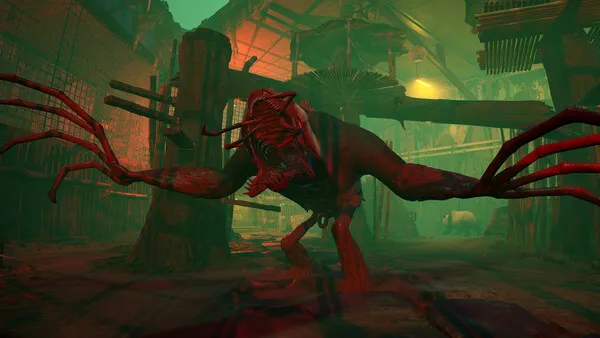
How to Adapt When Zoochosis Becomes Unavoidable
Even with the best preparation, Zoochosis may still emerge during late-game resource shortages. Players must adapt by prioritizing which animals to save and which systems to sacrifice. This harsh realism underscores the game’s survival-horror identity.
Adaptation means compromise. Players who accept sacrifice in one area often preserve stability in others, preventing total collapse.
How to See Zoochosis as a Reflection of Reality
Zoochosis in the game mirrors real-world animal psychology. Pacing, self-harm, and aggression all reflect documented behaviors in captive animals. By embedding realism, the game educates players while terrifying them.
This reflection adds depth. Managing Zoochosis isn’t just about survival in-game—it’s about learning the costs of neglect and captivity in reality.
Conclusion
Zoochosis is more than a mechanic—it is the core of the game’s survival-horror design. By learning how to identify early signs, address triggers, design supportive environments, manage staff, and adapt to crises, players master not only the system but the moral weight behind it. The “how to” approach ensures survival isn’t random but intentional, driven by responsibility. In the end, Zoochosis teaches players that neglect and cruelty are the greatest dangers in captivity, both in-game and beyond.