






How to Improve Your Aim in Call of Duty
One of the most important skills in Call of Duty is accuracy, and mastering aim can define the outcome of every encounter. Developing precision is not only about quick reactions but also about building consistent habits. Many new players often rely on instinctive movement, firing wildly in the hope of landing shots, but this approach only leads to wasted opportunities. Instead, it is necessary to understand that aiming is a process of training muscle memory, adjusting sensitivity settings, and maintaining composure under pressure.
The first step to achieving sharper aim is to customize the sensitivity settings according to comfort and reaction speed. Some prefer high sensitivity for fast turns while others benefit from lower sensitivity for stability. Finding the right balance is essential. Beyond the technical settings, practicing target acquisition by training against bots or spending time in shooting ranges helps refine reflexes. Each weapon in Call of Duty has a unique recoil pattern, and understanding how to control these variations is crucial. Players who learn to drag their crosshair smoothly across enemies while adjusting for recoil gain a significant advantage in close and long-range combat.
Equally important is the ability to remain calm under pressure. In intense firefights, panic often causes missed shots. By practicing controlled breathing and deliberate aiming rather than spraying bullets, one can consistently secure kills. Ultimately, precision comes not from random movements but from discipline, repetition, and understanding the rhythm of each encounter. Over time, with patience and consistent effort, accuracy becomes second nature, transforming every duel into an opportunity for victory.
How to Level Up Fast in Call of Duty
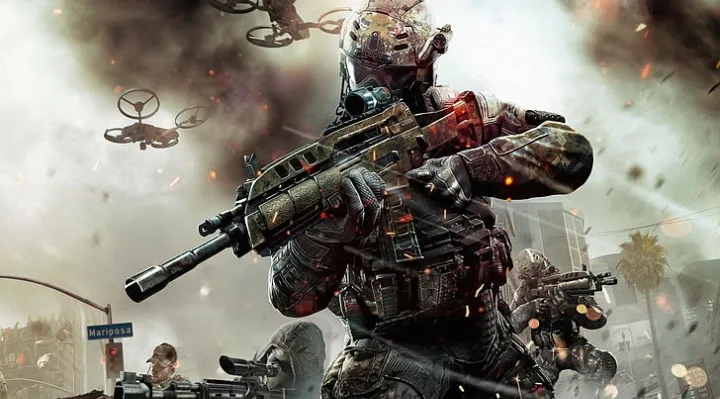
Progression is one of the most rewarding elements of Call of Duty. Unlocking new weapons, perks, and customization options creates a sense of achievement, but climbing through levels quickly requires strategic thinking rather than endless grinding. Instead of spending countless hours without direction, efficient methods allow players to maximize experience points within a shorter timeframe.
The key lies in choosing the right game modes and completing challenges effectively. Game modes that feature objective-based gameplay often grant higher rewards, since focusing on capturing points or defending zones adds bonus experience beyond simple eliminations. Daily and weekly challenges are also crucial for rapid growth. By tailoring one’s approach around these objectives, leveling becomes far more efficient.
Another factor in leveling up quickly is weapon mastery. Using a single weapon consistently to unlock attachments not only improves familiarity but also earns significant experience bonuses. By rotating through different weapons after completing mastery levels, players can accumulate more rewards while improving overall versatility. Additionally, taking advantage of double experience events is an excellent opportunity to accelerate progress. During these periods, prioritizing time and focusing solely on challenges ensures that progress is maximized.
Climbing levels quickly is not only about individual performance but also about being strategic with effort. Choosing the right tasks, playing smart modes, and capitalizing on bonus opportunities creates a smoother path to advancement. With the right approach, unlocking high-tier content becomes a journey of efficiency rather than exhaustion.
How to Master Weapons in Call of Duty
Weapons are the heart of Call of Duty, and mastery over them defines the difference between average performance and elite status. Every gun has its own identity, recoil pattern, damage output, and range efficiency, making it essential to understand the strengths and weaknesses of each. Mastery does not simply mean unlocking attachments; it involves developing a deep familiarity with how a weapon feels in various combat situations.
Assault rifles are versatile and serve as the backbone of many loadouts, capable of handling both mid-range and long-range encounters. However, mastery requires learning how to burst fire at longer ranges to maintain accuracy. Submachine guns excel in close-quarters combat but demand fast reactions and constant movement to maximize their effectiveness. Shotguns, though limited in range, can dominate confined spaces when used with precision. Sniper rifles are a completely different challenge, demanding patience, perfect timing, and an understanding of map lines to control sightlines.
Beyond weapon types, attachments play a huge role in shaping performance. A well-balanced weapon build can completely transform handling, recoil, and speed. For example, equipping a foregrip and compensator can reduce recoil, while extended magazines provide more sustainability in heated encounters. Experimenting with different builds is essential to discovering the combination that matches one’s style.
Weapon mastery also requires awareness of situational adaptation. Knowing when to switch from long-range rifles to close-range secondary weapons often decides survival in unexpected skirmishes. Ultimately, true mastery lies not only in accuracy but in flexibility, allowing a player to adjust seamlessly to whatever the battlefield demands.
How to Win Multiplayer Matches in Call of Duty
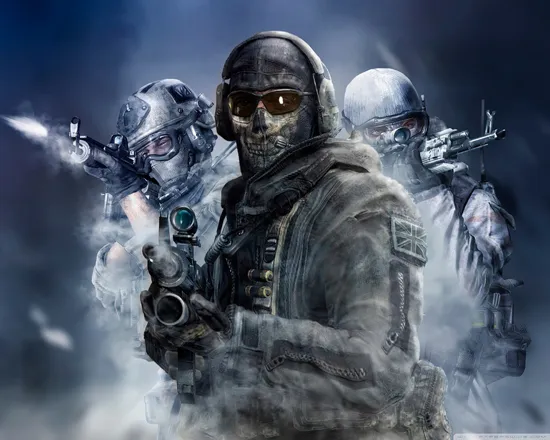
Victory in multiplayer matches goes far beyond individual skill. Success depends on a combination of strategy, teamwork, and situational awareness. Many players approach matches with a focus solely on eliminations, but winning requires more than raw firepower. Understanding objectives, controlling map positions, and coordinating with allies transform a group of individuals into a cohesive squad capable of dominating opponents.
Positioning is one of the most overlooked aspects of multiplayer success. Players who learn to control key choke points and vantage areas provide their team with a constant advantage. For example, holding mid-map control often creates opportunities to predict enemy movement and secure objectives with ease. Alongside positioning, communication plays a pivotal role. Sharing information about enemy locations, coordinating pushes, and signaling threats ensures that the team acts as a unit rather than as isolated individuals.
Adaptability is also essential. Each match evolves differently, and strategies must change accordingly. If opponents are dominating one area, rotating to another objective can shift momentum. If a specific weapon type is causing trouble, switching to a counter-weapon prevents being locked down. Winning consistently means anticipating the enemy’s adjustments and responding with smarter tactics.
Ultimately, success in multiplayer is not about showing off with flashy eliminations but about securing consistent victories for the team. By combining strategic positioning, communication, and adaptability, matches become opportunities to outthink opponents rather than simply outshoot them.
How to Survive Battle Royale in Call of Duty
The battle royale mode of Call of Duty presents a unique challenge compared to traditional multiplayer. Survival is the priority, and strategy plays an even greater role than aggression. Entering a massive map with limited resources forces players to think carefully about every decision, from landing zones to engagements.
Survival begins with choosing the right drop location. High-traffic zones may offer powerful loot but also attract numerous enemies, creating early chaos. Safer landing areas allow more time to gather resources and build strength before encountering opponents. Once geared up, movement becomes the most important survival factor. Traveling carelessly across open terrain makes one an easy target, while using natural cover and rotating along the edges of the safe zone increases longevity.
Engagements in battle royale require patience. Unlike standard matches, rushing into every encounter often leads to quick elimination. Instead, waiting for the right moment to strike or third-partying weakened opponents provides safer eliminations. Awareness of audio cues such as footsteps and gunfire also gives an advantage, allowing players to anticipate danger before it arrives.
Endgame survival demands composure. As the zone shrinks, positioning becomes critical. Securing high ground, maintaining cover, and conserving resources ensures a higher chance of winning. Victory in battle royale does not necessarily come from the highest number of kills but from the smartest decisions made throughout the match.
How to Communicate as a Team in Call of Duty
Communication is the invisible backbone of success in Call of Duty. Even the most skilled individual cannot overcome a well-coordinated enemy squad. The ability to relay information quickly, clearly, and effectively turns chaotic battles into structured victories.
Effective communication begins with precision. Instead of vague directions, using map callouts or specific markers ensures clarity. For example, informing teammates of an enemy behind a particular landmark eliminates confusion. Equally important is the tone of communication. Keeping instructions calm and constructive encourages cooperation rather than frustration.
Another crucial element is sharing resources. In modes where ammunition, armor, or equipment can be limited, teammates who communicate about supplies create stronger team balance. Alerting allies about available loot or requesting assistance ensures that no one is left vulnerable.
Lastly, communication is about timing. Calling out enemy movement as it happens, signaling when to push, or coordinating defensive setups creates fluidity in strategy. Without communication, even strong teams fall apart, but with it, every member feels connected to the same objective.