





How to Get Started in Call of Duty
Beginning with Call of Duty can feel overwhelming due to its depth, fast pace, and competitive nature. The first step to mastery is familiarizing yourself with the fundamentals of the game. Understanding the core mechanics, from movement to shooting accuracy, builds a foundation that makes advanced tactics easier to absorb later on. Beginners should dedicate time to experimenting with different modes, observing how pacing changes in each, and reflecting on what style fits them best. Instead of rushing into high-intensity matches, early progress should be about building confidence, adapting to the interface, and becoming comfortable with the flow of combat. This preparation ensures smoother progress as skills develop naturally over time.
How to Build Effective Loadouts
Weapons and equipment define how a player performs in combat, and constructing a proper loadout can be the deciding factor between success and failure. The key is understanding synergy between weapons, attachments, and perks. For example, an aggressive style benefits from lightweight rifles paired with attachments that enhance mobility and precision, while defensive tactics work better with weapons that favor range and stability. Choosing perks that reinforce these strategies, such as improved stealth or resilience, allows players to amplify their strengths. Rather than copying professional setups blindly, it is more valuable to test combinations and refine them until the loadout feels natural to one’s approach. This personalized process ensures consistency in different maps and scenarios.
How to Navigate Maps Effectively
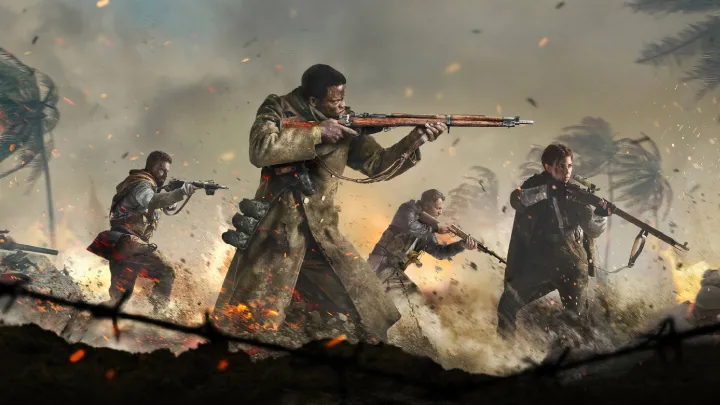
Maps in Call of Duty are more than just backdrops; they are living spaces that shape combat. Learning how to move through these environments is essential. Every map contains chokepoints, hidden routes, and zones where enemies are likely to concentrate. The ability to anticipate encounters based on map design turns reaction into prediction, giving a tactical advantage. Effective navigation involves balancing aggression with caution, knowing when to rush toward objectives and when to hold angles defensively. Memorizing spawn points, common ambush locations, and power positions creates a rhythm that minimizes surprises. Over time, players who internalize map flow begin controlling engagements rather than being forced to react, which elevates their performance dramatically.
How to Improve Movement and Positioning
Smooth and calculated movement distinguishes casual participants from advanced players. Positioning determines visibility, cover, and firing opportunities. Mastering movement requires fluid transitions between sprinting, crouching, and aiming, while maintaining awareness of surroundings. Staying unpredictable through varied paths and timings makes it harder for opponents to track behavior. Verticality, such as using stairs, rooftops, or ledges, also adds an extra layer of advantage. Good positioning often dictates the outcome of duels before shots are even fired. Training oneself to think one step ahead—such as anticipating enemy rotations or setting up angles that limit exposure—creates opportunities to dominate encounters without relying solely on reflexes.
How to Communicate and Work as a Team
Although individual skill is important, Call of Duty rewards coordination. Communication transforms a group of skilled individuals into a cohesive unit. Effective teams share information about enemy locations, control objectives together, and synchronize strategies. A simple callout can prevent an ambush or secure a win in a contested zone. Beyond speaking, non-verbal cues like positioning or throwing tactical equipment in specific areas also guide teammates. Good teamwork also requires adaptability: knowing when to lead, when to support, and when to sacrifice personal advantage for collective success. A well-coordinated squad amplifies strengths while covering weaknesses, often outperforming teams made up of stronger but disconnected individuals.
How to Maintain the Right Mindset
Call of Duty is as much about mentality as mechanics. Frustration and overconfidence both lead to mistakes, while calm focus allows growth. Adopting a learning mindset—treating losses as lessons and victories as chances to refine techniques—ensures constant improvement. Setting small, achievable goals such as improving accuracy or learning a new map path helps track progress without becoming overwhelmed. Professional players often highlight discipline and patience as key traits, since consistency wins more matches than erratic brilliance. By cultivating resilience, players can endure setbacks, adapt strategies, and continue climbing in skill level long after others lose motivation.
Conclusion
Mastering Call of Duty is a journey that blends technical skill, tactical knowledge, and mental resilience. Success does not come from a single technique but from the accumulation of habits and insights over time. Learning how to create balanced loadouts, navigate maps intelligently, move with precision, and communicate effectively transforms an average participant into a formidable competitor. Above all, maintaining the right mindset ensures progress never stagnates. Call of Duty rewards dedication, and those who continue refining their craft find not only better results but also greater enjoyment in every match.