




Rematch has quickly become one of the most talked-about competitive games on the scene, combining fast-paced action with deep tactical layers. While casual matches offer players a way to learn mechanics and have fun, competitive modes are where true mastery is tested. The stakes are higher, every decision carries more weight, and teamwork often makes the difference between victory and defeat.
Competitive play isn’t only about raw skill; it’s about coordination, adaptation, and a willingness to learn. Players who dive into ranked modes without preparation often hit walls, struggle to climb, or worse, develop poor habits that limit their potential. That’s why understanding how to approach competitive play in Rematch step by step is so crucial.
In this guide, we’ll walk through the essentials of becoming a stronger competitor in Rematch. From choosing the right role, to building strategies with your team, to handling the psychological side of competition, this article covers the roadmap you need to transition from casual player to competitive powerhouse.
How to Understand Game Modes and Their Objectives
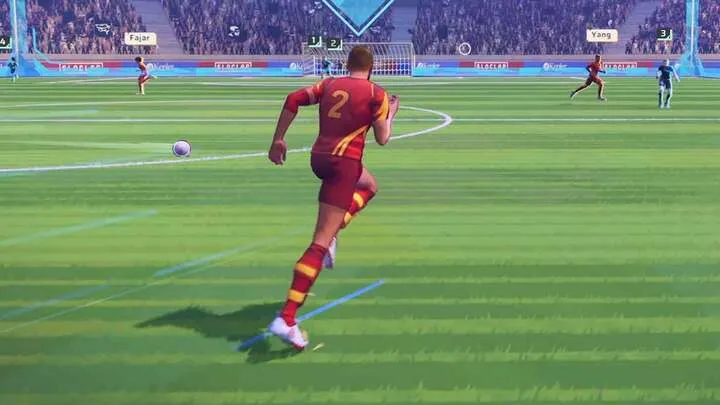
Every competitive title succeeds or fails based on how well players understand its game modes. In Rematch, competitive modes revolve around diverse objectives—some require holding specific zones, others emphasize elimination, while a few reward resource control or objective-based tasks.
Learn Each Mode’s Win Condition
The first mistake many players make is treating all modes like deathmatch. In objective-based play, frags alone don’t guarantee victory. For example:
- Control Point modes prioritize map dominance. Knowing when to hold back instead of chasing kills can win rounds.
- Payload modes rely on escorting or defending, which requires timing and team positioning more than flashy mechanics.
- Resource Capture modes reward efficiency and rotations rather than extended duels.
Understanding that every second and every movement contributes to the objective helps align your gameplay with what the team actually needs.
Study Map-Specific Dynamics
Each map in Rematch is carefully designed to favor certain roles or tactics. Some maps encourage flanking routes, while others reward disciplined choke-point control. The best competitive players don’t just memorize layouts; they learn the rhythm of each map—when enemies typically rotate, where ambushes occur, and which areas are high-value.
Adapt Your Play to the Mode
Adapting isn’t just about knowledge; it’s about action. If you’re in a mode where defending is critical, playing recklessly can ruin your team’s chances. Similarly, in a push-based mode, over-defending wastes momentum. Every competitive climb starts with accepting that your goal isn’t always kills—it’s winning the mode’s condition.
How to Choose the Right Role for Your Playstyle
Competitive Rematch thrives on role diversity. Unlike casual lobbies, where players often improvise, ranked play punishes unbalanced teams.
Identify Your Strengths
Ask yourself: Do you thrive under pressure in 1v1 duels? Do you excel at watching flanks and supporting teammates? Or are you the player who reads the flow of battle and adapts strategies? Your answers guide role selection.
Common roles in Rematch competitive play include:
- Duelist/Fragger – Focuses on securing eliminations and opening space.
- Support/Utility – Provides healing, vision, or tools to stabilize team fights.
- Objective Anchor – Stays on or near objectives to ensure progress isn’t lost.
- Strategist/Shotcaller – Guides rotations, tracks enemy resources, and ensures coordination.
Experiment Before Specializing
While it’s tempting to lock into one role, experimentation in early ranked tiers allows you to discover hidden strengths. Some players start as fraggers but later realize their true talent lies in anchoring or supporting.
Role Commitment in Ranked Play
By higher tiers, commitment is vital. A well-defined role ensures team consistency, while flexibility within that role (e.g., switching between aggressive and defensive dueling) gives you an edge. Remember: teams win because of role synergy, not because everyone tries to be the star.
How to Build a Strong Competitive Team
Solo queue can take you far, but Rematch’s competitive modes shine brightest with structured teams.
Recruit Complementary Players
A common trap is recruiting friends who play similarly. While enjoyable, it leads to redundancy. Instead, build teams with complementary strengths:
- A confident fragger who creates openings.
- A calm support who ensures survival.
- A flexible strategist who adapts on the fly.
Establish Roles Early
Miscommunication often arises when two players assume the same role. Establishing roles before a match avoids this confusion. Clearly state: “You anchor the point, I’ll watch the flank, our support stays mid.”
Practice Together
Unlike casual games, team synergy grows through repetition. Regular scrims help teammates learn each other’s habits, preferences, and weaknesses. With time, this creates near-intuitive coordination.
Trust and Accountability
Trust is the backbone of competitive Rematch. When a teammate calls for a rotation, hesitation wastes time. Likewise, accountability ensures no one consistently ignores team strategies. A strong team embraces both trust and constructive criticism.
How to Master Communication and Team Dynamics
Communication is the invisible weapon of every top-tier Rematch team.
Use Clear, Concise Calls
Competitive players don’t have time for full sentences. Instead of saying, “I think someone might be coming from the left side,” say: “Two left, rotate now.” Short, actionable language improves reaction times.
Balance Communication Roles
Not everyone should shotcall simultaneously. Assign one or two primary communicators while others focus on delivering essential info—enemy positions, cooldowns, or objectives under threat.
Develop a Positive Tone
Toxicity kills teams. Even if a mistake costs the round, negative language spreads frustration. Instead, reframe: instead of “Why didn’t you cover?” try “Next round, let’s double cover mid.” Positive corrections build resilience.
Learn Non-Verbal Cues
Some teams use pings, movements, or utility usage as communication. Recognizing these cues speeds up coordination, especially in high-pressure moments when voice comms become chaotic.
How to Develop Winning Strategies for Each Map/Mode
Raw mechanics win fights, but strategies win matches.
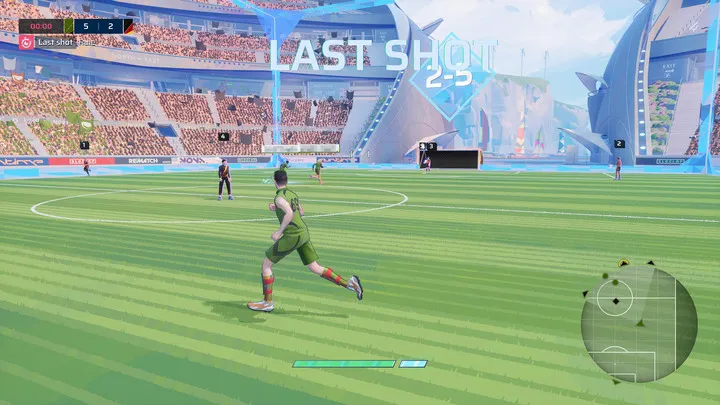
Study Professional Play
Many of the best strategies come from analyzing pro-level matches. Notice how teams set up early, when they rotate, and how they pressure objectives.
Build Set Plays
Just like sports teams rehearse plays, Rematch teams benefit from predefined strategies:
- Fast push: All members rush an objective before the enemy settles.
- Split pressure: Divide into smaller squads to pressure multiple areas.
- Fake rotate: Pretend to leave an area, then ambush returning enemies.
Adapt Mid-Match
Static strategies eventually fail when opponents adjust. The best players recognize shifts quickly. If your fast push fails twice, switch to patience. If the enemy anchors heavily, try splitting their defense.
How to Adapt to the Meta and Counter Opponents
Competitive Rematch, like all evolving games, develops a meta—dominant strategies, roles, or characters favored by top players.
Stay Updated on Balance Changes
Patch notes are your roadmap. A single buff or nerf can shift the viability of roles, maps, or tactics. Competitive players who ignore updates fall behind quickly.
Study Opponent Habits
Even within the same meta, teams differ. Some favor aggression, others turtle defensively. By watching replays and noting tendencies, you learn to counter them specifically.
Develop Counter Strategies
If an enemy relies heavily on one tactic (e.g., sniper control on long maps), create responses—smoke the sniper’s sightline, flank aggressively, or bait them into poor trades.
Embrace Flexibility
Rigid adherence to one “meta strategy” backfires. True mastery comes from knowing the meta and how to break it when the situation demands.
How to Avoid Common Mistakes in Ranked Play
Climbing the ladder isn’t just about what you do right—it’s about avoiding repeated mistakes.
Solo Hero Syndrome
Many players think carrying equals winning. But solo pushes often backfire, leaving the team shorthanded. Play with your team, not in spite of them.
Ignoring Objectives
Chasing kills instead of focusing on objectives is a ranked killer. Always remember: kills are means, not ends.
Poor Economy/Resource Management
In resource-based modes, wasting abilities or items early puts your team at a long-term disadvantage. Discipline ensures late-round success.
Refusing Adaptation
If a strategy fails multiple times, repeating it isn’t persistence—it’s predictability. Adaptation separates climbers from stagnators.
How to Track Progress and Improve Consistently
Improvement in competitive Rematch requires reflection and data-driven growth.
Record and Review Gameplay
Watching your own replays reveals mistakes invisible during play. Maybe you tunnel visioned, or rotated too late. Self-review builds awareness.
Set Micro-Goals
Instead of “I want to hit Diamond rank,” focus on “I’ll improve my accuracy this week” or “I’ll work on better comms with teammates.” Small goals stack into bigger victories.
Use Stat Tracking Tools
Many competitive communities offer third-party stat trackers. Monitoring accuracy, kill/death ratios, or objective contributions highlights strengths and weaknesses.
Seek Feedback
Constructive critique from teammates or coaches accelerates growth. An outside perspective often notices patterns you overlook.
How to Handle Tilt, Pressure, and Competitive Mindset
Competitive modes test not just skill, but psychology.
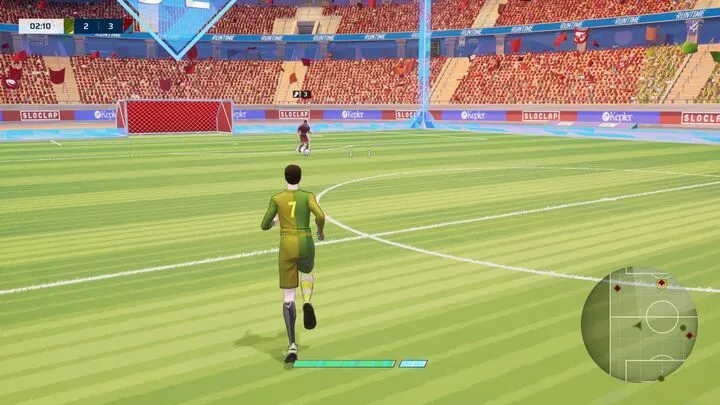
Recognize Tilt Early
Tilt—emotional frustration that clouds judgment—ruins matches. Signs include blaming teammates, reckless plays, or loss of focus. Recognizing tilt lets you reset before it spirals.
Develop Reset Routines
Short breaks, breathing exercises, or listening to calming music help players recover mid-session. Some pros adopt rituals like standing up between matches.
Embrace Growth Mindset
Losses aren’t failures; they’re lessons. Every defeat contains information about positioning, strategy, or communication. A growth mindset prevents frustration from becoming permanent.
Build Mental Resilience
At higher ranks, competition intensifies. Learning to thrive under pressure—by focusing on fundamentals, trusting your team, and controlling nerves—creates consistency.
How to Climb the Ranked Ladder Efficiently
Climbing ranked in Rematch is less about grinding endlessly and more about smart, structured improvement.
Play in Focused Sessions
Instead of marathon sessions where fatigue builds mistakes, play in focused sets of 3–5 matches, review performance, then rest.
Duo or Team Queue When Possible
While solo queue teaches independence, climbing is more efficient with consistent partners who share your goals.
Target Weaknesses Directly
If your map awareness is poor, dedicate games to improving it, even if stats suffer. Fixing weaknesses accelerates long-term climb.
Know When to Stop
Playing tilted leads to losing streaks. Recognizing when to pause ensures your rank reflects skill, not frustration.
Conclusion: From Casual Player to Competitive Pro
Mastering competitive modes in Rematch isn’t about shortcuts or luck—it’s about adopting the right habits, strategies, and mindset. By learning objectives, choosing roles carefully, building team chemistry, and embracing adaptation, you transform from a casual player into a serious competitor.
The journey will include losses, setbacks, and challenges, but each obstacle builds resilience. What separates top players from the rest is not only their mechanics, but also their ability to think, communicate, and grow.
So whether you’re just starting your climb or aiming for the highest ranks, remember: every match is a chance to improve. With discipline, teamwork, and adaptability, mastery of competitive Rematch is within your reach.