




Introduction
Dead Rails is one of the most unique and thrilling indie horror games to emerge in recent years. Unlike traditional survival horror titles that rely heavily on jump scares or monster chases, Dead Rails crafts its atmosphere through a combination of eerie sound design, limited resources, and a desolate environment aboard a cursed train. Many new players step into the game without knowing how to survive, progress, or fully experience its chilling narrative. That is why this guide focuses on “how to” approach Dead Rails, from learning the basics to mastering advanced survival strategies.
In this article, we’ll break down every step of the game in a time-based and logical order. Whether you’re just boarding the haunted train for the first time or looking for ways to make the most of your journey, you’ll find practical advice to keep you alive and immersed.
1. How to Start Your First Journey in Dead Rails
When you first begin Dead Rails, it can feel overwhelming. The train’s dim corridors, flickering lights, and unexplainable noises set the stage for panic. The most important thing to do in your first minutes is to familiarize yourself with the environment.
Take time to walk through the compartments, note locked doors, and remember possible hiding spots. Exploration at the start builds the foundation for survival later. You’ll also begin collecting essential items—flashlights, batteries, notes, and keys.
H3: Avoid Rushing
Players often make the mistake of running forward without understanding the map. This can lead to missed items or encounters with hostile entities you’re not ready to face.
H4: Pro Tip
Slow down, listen carefully to environmental sounds, and map out safe routes.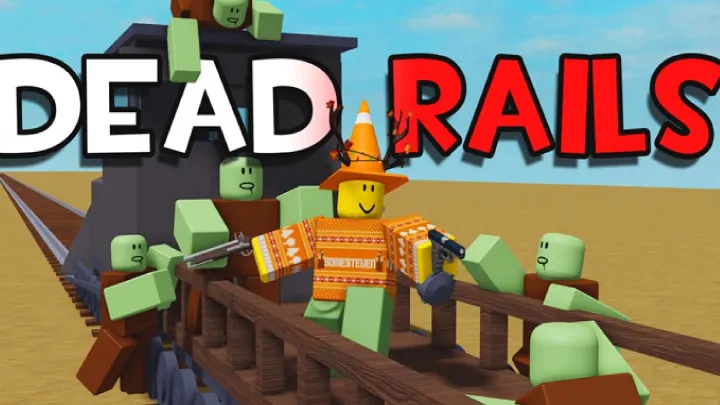
2. How to Manage Limited Resources
Dead Rails emphasizes scarcity. You will rarely find enough supplies to feel secure, and that’s intentional. The game pushes you to make tough decisions about what to keep and what to sacrifice.
Resources include batteries for your flashlight, healing items, and train tools. Each choice matters—using a battery too soon might leave you in darkness when you need it most.
H3: Prioritize Essentials
Keep healing items and keys above everything else. You can survive without light for a while, but not without health or progression tools.
H4: Example of Smart Resource Use
If your flashlight starts flickering, don’t panic. Save it for hallways with traps or where you suspect entities are lurking.
3. How to Understand the Train’s Layout
The train is both your home and your prison. Understanding how each compartment connects is vital. Dead Rails thrives on its claustrophobic design, making navigation a challenge.
Spend early game sessions learning the different cars: passenger cabins, storage areas, and the conductor’s section. Each has unique threats and clues about the story.
H3: Memorization is Key
Unlike open-world games, Dead Rails punishes backtracking. Memorize shortcuts and keep mental notes of blocked paths.
H4: Mapping Strategy
Draw a small sketch of the train layout on paper. It can make the difference when you’re lost.
4. How to Read Environmental Clues
The story of Dead Rails is hidden in scraps of paper, strange graffiti, and haunting sound cues. Paying attention to these details is more than just lore—it can guide your next move.
Some clues warn about danger in the next compartment, while others hint at puzzles or hidden items. Ignoring them makes survival harder.
H3: Types of Clues
- Written notes left by past passengers
- Strange symbols painted on walls
- Distorted audio or whispers
H4: Using Clues Effectively
Whenever you find a note, re-read it during safe moments. Many hints only make sense later.
5. How to Solve Puzzles Without Losing Your Nerve
Puzzles are a big part of Dead Rails. They are designed not only to test logic but also to increase tension. Solving them requires focus, even while being stalked by unseen forces.
Common puzzles include unlocking doors with codes, assembling mechanical parts, or interpreting strange symbols.
H3: Stay Calm
Panicking leads to mistakes. Take a deep breath and block out background noises before attempting a puzzle.
H4: Tips for Puzzle Success
- Collect every note and symbol you encounter
- Think of puzzles as part of the environment, not isolated challenges
- Practice patience—rushing causes errors
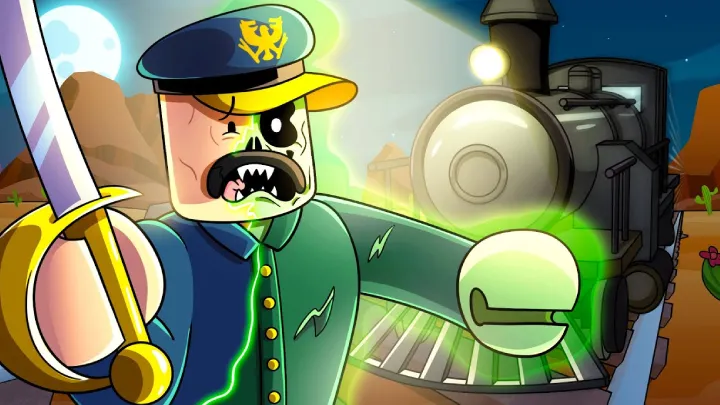
6. How to Handle Enemy Encounters
Enemies in Dead Rails are terrifying not because they appear often, but because they are unpredictable. Some can be avoided entirely, while others demand careful planning.
Unlike many horror games, you rarely win by fighting back. Survival depends on evasion, hiding, and making strategic choices.
H3: Learn Enemy Patterns
Each hostile entity has unique behavior. Some react to sound, others to light. Observing them from a distance helps you plan your escape.
H4: Stealth Over Bravery
Move slowly, crouch when needed, and use darkness to your advantage.
7. How to Progress Through the Storyline
Dead Rails is not just about survival—it’s also about uncovering why the train is cursed. Progression requires piecing together the mystery through exploration and choices.
The storyline branches depending on your actions. Missing a critical clue can alter your path, leading to different endings.
H3: Narrative Choices
Your decisions—such as saving or abandoning certain passengers—can shift the game’s outcome.
H4: Keeping Track of Lore
Write down key names, dates, and symbols. These often resurface in later chapters.
8. How to Survive Long-Term
Midway through the game, the tension ramps up. Enemies become more aggressive, and resources scarcer. Long-term survival means adapting to these shifts.
At this stage, your knowledge of the map and careful resource management become critical. Mistakes made earlier often come back to haunt you.
H3: Mental Stamina
Fatigue is real. Playing for too long without breaks can dull your reactions.
H4: Save Points
Always save at every opportunity. Dead Rails punishes overconfidence.
9. How to Reach the Ending You Want
Dead Rails features multiple endings, from bleak outcomes to moments of redemption. Which one you get depends on your choices, exploration, and puzzle-solving.
To aim for the best ending, you must gather every key clue, protect certain passengers, and solve all major puzzles.
H3: Common Endings
- Despair Ending: You fail to uncover the truth
- Escape Ending: You survive but without closure
- Redemption Ending: You solve the mystery and free the train
H4: Strategy for the Best Outcome
Commit to thorough exploration and resist shortcuts.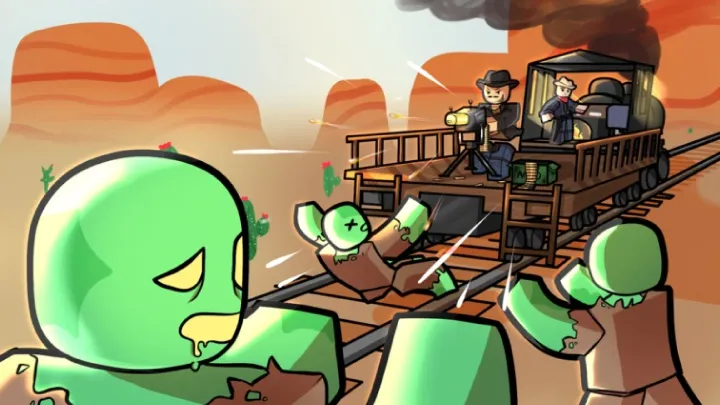
10. How to Master Dead Rails on Replays
The beauty of Dead Rails lies in replayability. Each run reveals new details you might have missed before. Replays allow you to test different strategies, discover new endings, and refine survival tactics.
Every time you restart, pay attention to previously ignored areas and experiment with different choices.
H3: Benefits of Replaying
- Unlock hidden lore
- Achieve alternate endings
- Build mastery of mechanics
H4: Long-Term Enjoyment
Think of Dead Rails not as a single playthrough, but as an evolving challenge.
Conclusion
Dead Rails is not an easy game. It demands patience, observation, and critical decision-making. By following this “how to” guide, you’ll learn not only how to survive the cursed train but also how to uncover its deepest secrets. From managing resources and solving puzzles to mastering replays and unlocking endings, every choice shapes your experience.
The key is balance: balancing fear with strategy, scarcity with need, and bravery with caution. With practice and awareness, you’ll transform Dead Rails from a nightmare into a story you control.