


Foundation is a medieval city-building simulation that emphasizes organic growth, resource management, and the art of balancing economy with aesthetics. Unlike grid-based city builders, Foundation uses a freeform system where players must think strategically to ensure prosperity. This guide will help you progress from beginner to master, covering everything from village planning to advanced trade and long-term survival.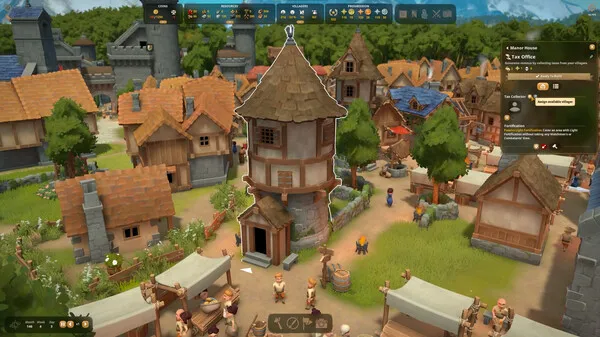
Getting Started with Foundation
The first hours in Foundation are about survival and establishing your first village. You begin with a small group of settlers and limited resources, so careful planning is key.
Place essential buildings like lumber camps, stonecutters, and gathering huts early on. This creates the foundation for sustainable growth.
Beginner Essentials
- Build resource camps near natural deposits.
- Ensure food production begins immediately.
- Prioritize housing for villagers.
Understanding Core Resources
Foundation thrives on resource chains. Wood, stone, and food form the backbone of your village. Balancing production ensures no shortages arise.
Villagers automatically transport resources, but building warehouses close to production centers reduces inefficiency.
Primary Resource Categories
- Food → Gather berries, farm crops, fish.
- Materials → Wood, stone, tools.
- Luxury Goods → Cloth, wine, jewelry (later stages).
Designing Your First Village Layout
Unlike grid-based games, Foundation allows freeform placement. Thoughtful layouts prevent chaos and keep villagers efficient.
Keep residential zones close to workplaces, with paths forming naturally. Avoid overextending early, as long travel times reduce productivity.
Layout Tips
- Place houses near workplaces.
- Cluster industries for efficiency.
- Keep food sources near homes.
Developing Early Economy
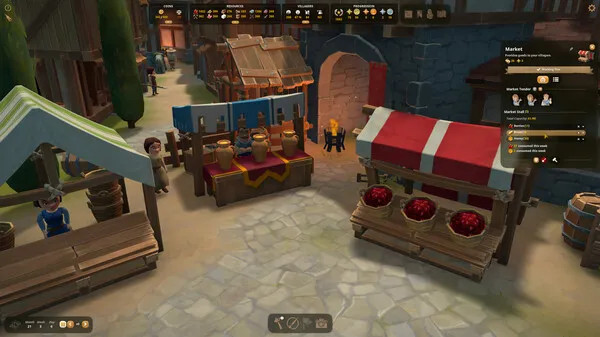
Once basics are stable, focus on creating steady economic growth. Markets are crucial for distributing food and resources.
Assign villagers specific jobs—builders, farmers, miners—to balance workloads. Keep unemployment low, but maintain flexibility for new projects.
Economic Priorities
- Open a market quickly.
- Train villagers in essential jobs.
- Expand storage for long-term stability.
Mid-Game Progression
The mid-game introduces new complexity: more villagers, higher demands, and trade opportunities. Expanding food diversity becomes essential to prevent shortages.
Farming and fishing unlock greater stability, while trade routes provide income and rare resources.
Mid-Game Goals
- Build farms for wheat and bread.
- Unlock trade routes.
- Increase housing capacity.
Expanding Trade and Diplomacy
Trade becomes a lifeline in Foundation. Selling surplus goods provides gold, while imports help fill production gaps.
Diplomatic missions may also appear, offering quests and rewards. Balancing trade with self-sufficiency ensures steady growth.
Trade Tips
- Specialize in goods to maximize profit.
- Keep an eye on demand changes.
- Maintain a treasury buffer for emergencies.
Managing Happiness and Growth
Villager happiness drives population growth. If needs go unmet, villagers leave, damaging your economy.
Provide food variety, clothing, and luxury goods as the village expands. Churches and decorative items also increase happiness.
Boosting Happiness
- Build churches as population grows.
- Diversify food with farming and fishing.
- Add decorative elements to improve mood.
Advanced City Planning
Large cities demand organization. Without planning, traffic congestion and inefficiency cripple productivity.
Zoning becomes critical: designate industrial zones away from housing, keep markets central, and balance residential areas evenly.
Advanced Planning Strategies
- Separate industry from housing to avoid clutter.
- Build layered food systems for surplus.
- Optimize warehouse placement.
Military and Defense
While Foundation isn’t primarily combat-focused, missions involving soldiers exist. Training and equipping soldiers expands influence and protects trade.
Military success provides rare resources and strengthens your economy. A well-managed military complements peaceful expansion.
Soldier Management
- Train villagers in barracks.
- Equip them with weapons and armor.
- Balance military costs with economic needs.

Long-Term Mastery
Long-term mastery means creating self-sustaining cities. Advanced trade, balanced production chains, and large-scale projects like monuments define mastery.
Veteran players experiment with aesthetics, turning cities into both efficient and beautiful works of art. The challenge lies in balancing design with function.
Conclusion
Foundation challenges players to think beyond survival, blending organic growth with resource strategy. From simple villages to thriving medieval cities, mastery requires patience, planning, and creativity. With careful resource management, trade, and smart design, you can transform your settlement into a medieval masterpiece.