







Geometry Dash is an addictive rhythm-based platformer that has captivated millions of players around the world. With its vibrant graphics, catchy soundtracks, and challenging levels, it offers a unique gaming experience that blends music with precise timing and skill. This guide aims to help both beginners and experienced players navigate the complexities of Geometry Dash, providing strategies, tips, and insights to enhance your gameplay. Whether you're struggling to clear a level or aiming to create your own, this comprehensive guide will cover everything you need to know.
Understanding the Game Mechanics
The Basics of Gameplay
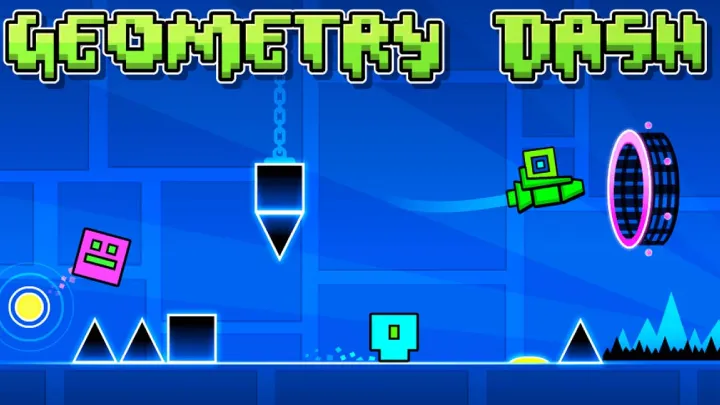
At its core, Geometry Dash is a side-scrolling platformer where players control a geometric shape—most commonly a cube. The objective is to navigate through a series of obstacles while keeping in time with the music.
- Jumping: The primary control involves tapping the screen (or pressing a key) to make your cube jump. This is crucial for avoiding spikes, gaps, and other hazards.
- Gravity Flipping: Certain levels introduce gravity mechanics where tapping will flip your cube upside down, allowing it to navigate ceilings and floors.
- Speed Variations: Levels often feature sections where the speed changes, requiring quick reflexes and adaptability.
Obstacles and Power-Ups
Understanding the types of obstacles you'll face is key to mastering the game.
Common Obstacles
- Spikes: These are stationary hazards that can instantly end your run if you touch them.
- Moving Platforms: Platforms that move back and forth require precise timing to jump onto.
- Saw Blades: Rotating blades that can slice through your cube if you’re not careful.
Power-Ups
Power-ups enhance your abilities in specific sections of the game:
- Ship Transformation: Allows you to fly and maneuver, avoiding obstacles in mid-air.
- Wave Mode: Enables you to move in a wave-like motion, which is useful for navigating tight spaces.
Choosing the Right Level
Starting with the Basics
If you're new to Geometry Dash, it’s essential to start with levels that match your skill level. This helps build confidence and improves your skills gradually.
- Stereo Madness: This is the first level in the game and serves as a perfect introduction to the mechanics.
- Back on Track: Slightly more challenging, this level introduces gravity-flipping mechanics.
Progressing to Intermediate Levels
Once you're comfortable with the basics, move on to intermediate levels that offer more challenges but are still manageable.
- Dry Out: This level introduces new obstacles and requires better timing.
- Base After Base: A fun level that tests your jumping skills.
Tackling Hard Levels
For those looking for a challenge, advanced levels await. These levels often require precise timing and advanced techniques.
- Clubstep: Known for its difficulty, this level requires excellent control and timing.
- Theory of Everything: Features a variety of obstacles and mechanics that will test your skills.
Mastering the Controls
Practicing Timing
One of the most critical aspects of Geometry Dash is timing. Mastering your jumps and movements is essential for success.
Rhythm and Music
The game is heavily rhythm-based. Pay attention to the music to time your jumps perfectly. Consider these techniques:
- Count the Beats: Familiarize yourself with the music and jump on the beat to improve your timing.
- Practice Sections: Use practice mode to repeat challenging sections until you can execute them flawlessly.
Utilizing Practice Mode
Practice mode is a valuable tool for mastering levels without the pressure of failing. Here’s how to make the most of it:
- Set Checkpoints: Place checkpoints in difficult sections, allowing you to restart from that point if you fail.
- Experiment: Try different strategies and see what works best for each section.
Developing Strategies for Each Level
Analyzing Obstacles
Take time to study the obstacles in each level. Understanding them will help you navigate more effectively.
- Identify Patterns: Many obstacles follow specific patterns. Learn these to anticipate what’s coming next.
- Break Down Difficult Sections: Focus on one section at a time, especially in harder levels.
Creating a Plan
Before attempting a level, create a mental plan based on your analysis:
- Pathways: Determine the safest pathways through the level.
- Timing: Decide when to jump or flip gravity for maximum efficiency.
Utilizing Power-Ups Effectively
Understanding Power-Ups
Power-ups can significantly enhance your gameplay, especially in challenging sections. Here’s how to use them effectively:
- Ship Mode: Use it to fly over obstacles, but be mindful of your altitude.
- Wave Mode: This mode allows for quick movements through tight spaces. Practice controlling it in practice mode.
Timing Power-Ups
Using power-ups at the right moment can be a game-changer. Here’s how to master their timing:
- Practice in Specific Levels: Some levels feature power-ups prominently. Use these to familiarize yourself with their mechanics.
- Learn the Best Moments to Activate: Understanding when to switch modes can help you navigate challenges more easily.
Engaging with the Community
Joining Online Forums

The Geometry Dash community is a treasure trove of information and support. Joining forums and social media groups can enhance your experience:
- Reddit Communities: Subreddits dedicated to Geometry Dash can provide tips, level recommendations, and support.
- Discord Servers: Many players gather on Discord to discuss strategies and share levels.
Watching Tutorials
YouTube is filled with Geometry Dash content. Watching tutorials can offer insights into difficult levels and advanced techniques.
- Gameplay Walkthroughs: These videos showcase how experienced players tackle challenges.
- Strategy Guides: Many content creators share specific strategies for mastering levels.
Creating Your Own Levels
Using the Level Editor
Creating your own levels can deepen your understanding of the game. Here’s how to get started:
- Familiarize Yourself with Tools: Spend time learning the level editor's features.
- Start Simple: Begin with basic designs and gradually increase complexity.
Testing Your Level
Once you’ve created a level, test it thoroughly:
- Playtest: Try your level multiple times to ensure it’s fun and challenging.
- Seek Feedback: Share your level with friends or the community for constructive criticism.
Staying Motivated and Overcoming Frustration
Setting Goals
Setting achievable goals can keep you motivated. Focus on small milestones, such as completing a level or mastering a technique.
- Celebrate Achievements: Acknowledge your progress, no matter how small.
Taking Breaks
If you find yourself frustrated, take a break. Stepping away can help clear your mind and improve your focus when you return.
- Change Your Focus: Engage in other activities to refresh your perspective.
Unlocking Secrets and Achievements
Collecting Coins
Geometry Dash features collectible coins hidden throughout levels. Collecting these can unlock rewards and achievements.
- Explore Levels: Pay attention to hidden paths and challenges to find these coins.
- Complete Achievements: Many achievements involve collecting a certain number of coins.
Unlocking New Icons
As you progress, you can unlock new icons and colors for your cube. This customization allows you to express your style.
- Complete Levels: Finishing levels and collecting coins often unlocks new customization options.
Conclusion
Mastering Geometry Dash requires dedication, practice, and strategic thinking. By understanding the game mechanics, choosing appropriate levels, and engaging with the community, you can enhance your gaming experience. Whether you’re creating your own levels or tackling difficult challenges, remember to stay motivated and enjoy the rhythm of the game. With perseverance and the tips outlined in this guide, you’ll be well on your way to becoming a Geometry Dash pro.
Summary:
Master Geometry Dash with tips on controls, level selection, community engagement, and level creation for an enhanced gaming experience.