


Overwatch® 2 is Blizzard Entertainment’s free-to-play, team-based shooter that builds on the foundation of its predecessor while introducing new heroes, maps, game modes, and seasonal updates. For newcomers, the game can feel overwhelming with its fast pace, huge roster of characters, and constant changes.
This guide will walk you through the essentials of how to play, improve, and enjoy Overwatch 2. From learning the basics of roles and heroes to climbing the competitive ladder, you’ll gain the knowledge you need to become a better player.
Getting Started with Overwatch 2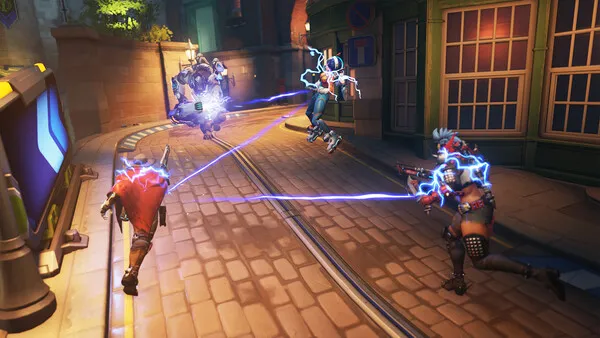
Before jumping into competitive matches, it’s important to understand the basics of how Overwatch 2 works. The game is a 5v5 hero shooter where players pick from a wide range of unique characters, each with their own abilities and playstyle.
The first step is downloading the game. Overwatch 2 is free-to-play and available on PC, PlayStation, Xbox, and Nintendo Switch. After installation, new players are guided through a short tutorial that covers core mechanics like moving, aiming, shooting, and using hero abilities. This foundation ensures you understand the fundamentals before you join real matches.
Take time in Quick Play or Arcade modes before entering Competitive. These modes allow you to practice, experiment with different heroes, and get comfortable with the flow of the game.
Understanding the Heroes and Roles
Overwatch 2 heroes are divided into three main roles: Tank, Damage, and Support. Each role comes with its own responsibilities.
Tank Role
Tanks are the frontline heroes, designed to absorb damage and create space for their teammates. They often come with shields, barriers, or crowd-control abilities. Examples include Reinhardt, who wields a massive shield, or Winston, who dives into the enemy backline.
A good Tank doesn’t just take damage—they lead engagements, protect allies, and disrupt the enemy team.
Damage Role
Damage (often called DPS) heroes are the team’s main damage dealers. Their role is to eliminate key targets, break enemy defenses, and apply pressure.
Some, like Widowmaker or Ashe, specialize in long-range precision. Others, like Reaper or Genji, thrive up close. DPS players often have the most flexible playstyles, but they also rely heavily on positioning and timing.
Support Role
Support heroes keep the team alive through healing, buffs, and utility. They ensure Tanks and DPS can continue fighting.
Heroes like Ana provide long-range healing and crowd-control abilities, while Lucio boosts team speed and provides area-of-effect healing. A well-played Support can completely shift the outcome of a match.
Tip: Experiment with all three roles early on to find the one that matches your personality and preferred playstyle. Flexibility will make you a stronger teammate in the long run.
Mastering Game Modes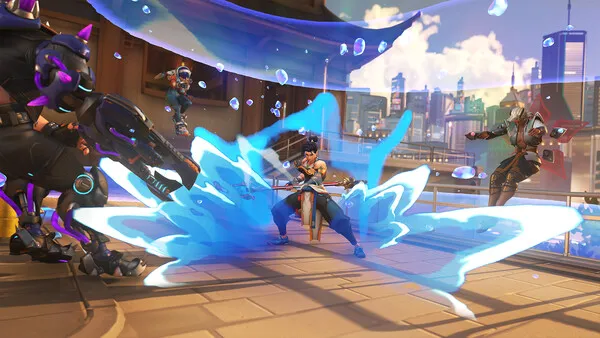
Overwatch 2 features several primary game modes, and each one requires a unique approach.
Escort
In Escort, one team pushes a payload to checkpoints while the other defends. Staying near the payload is necessary to move it forward, but attackers must also clear defenders from choke points. Defenders, meanwhile, need to hold strategic ground to stall progress.
Hybrid
Hybrid combines Capture Point and Escort. Teams first capture an objective and then escort a payload. This mode requires flexibility: offense must push aggressively to secure the point, while defense must hold strong positions to delay attackers.
Push
Push is a newer mode where both teams fight for control of a robot that moves along a path. The goal is to push the robot further into enemy territory than the other team. It’s a back-and-forth mode that demands strong map awareness and teamwork.
Key Advice: Learn how each mode works and adapt your strategy accordingly. Staying focused on the objective is often more important than chasing eliminations.
Learning the Maps
Maps in Overwatch 2 are designed with multiple paths, choke points, and high ground. Understanding maps is just as important as mastering heroes.
Start by exploring maps in custom games. Take note of where health packs spawn, which routes provide flanking opportunities, and where enemies are likely to set up defenses. This knowledge can save your life during intense fights.
High ground positions often provide significant advantages. Heroes like Soldier: 76, Ashe, or Widowmaker can dominate from above, forcing enemies to take cover. Always fight for these positions when possible.
Tips for map mastery:
- Use cover to avoid unnecessary damage.
- Learn common flanking routes to surprise enemies.
- Contest high ground when your hero allows it.
Improving Your Mechanics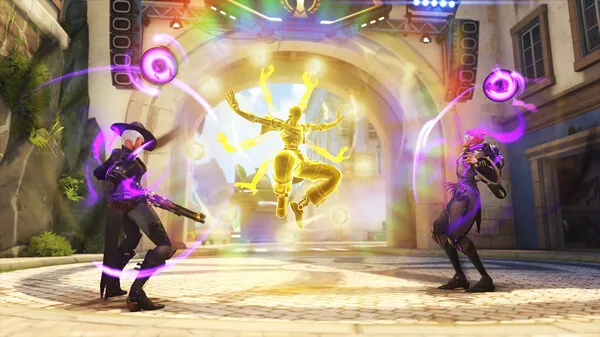
Mechanical skill is the foundation of good performance in Overwatch 2. Three main areas to focus on are aim, movement, and ability usage.
Aiming
Practice aiming in the training range. Pay attention to crosshair placement and tracking moving targets. Small adjustments make a huge difference. External aim trainers can also help refine your reflexes.
Movement
Strafing, crouching, and using terrain effectively make you harder to hit. Combine movement with map knowledge for better survivability. For example, learn how to “peek” around corners to deal damage without fully exposing yourself.
Ability Usage
Every hero has unique cooldown-based abilities. Using them at the right time is critical. For example, using Kiriko’s Suzu too early might waste its life-saving effect, while saving it for a key moment can win a fight. Think strategically about how and when to use each ability.
Working as a Team
Overwatch 2 is about teamwork, not solo heroics. Communication and synergy often decide who wins or loses.
Voice Chat and Pings
The in-game ping system and voice chat allow you to share vital information. Call out enemy positions, notify teammates about ultimate charge, and warn them about flankers.
Even simple communication can dramatically improve coordination.
Ultimate Economy
Team fights are often won through ultimate abilities. It’s important to manage “ultimate economy,” meaning how and when your team uses them. Avoid wasting multiple ultimates at once and try to combo abilities for maximum impact.
For example, combining Zarya’s Graviton Surge with Hanzo’s Dragonstrike can wipe an entire enemy team.
Adapting Mid-Match
One of the most important skills in Overwatch 2 is adaptation. If your current strategy isn’t working, don’t be afraid to switch heroes or adjust tactics.
For example, if the enemy has a Pharah dominating the skies, swap to a hitscan hero like Cassidy or Soldier: 76. If your team lacks healing, consider switching to Support. The ability to recognize what’s needed and adjust accordingly often separates good players from great ones.
Adaptation isn’t just about heroes—it’s about adjusting your approach to objectives, ultimates, and positioning.
Climbing Competitive Play
Competitive Play is where Overwatch 2 truly tests your skills. Players are ranked into tiers, from Bronze to Top 500.
Rank Tiers
Your rank is determined by your wins and performance. Consistency is key—losing streaks can set you back, while steady improvement leads to climbing.
Focus less on personal stats and more on team impact. A player with fewer eliminations but smarter positioning can often be more valuable than a “frag-heavy” teammate.
Mindset
Competitive matches can be stressful. Maintain a positive mindset and focus on improvement. Don’t tilt after losses or blame teammates—it only worsens performance. Patience and perseverance are essential for climbing the ranks.
Staying Updated with Seasonal Content
Overwatch 2 runs on a seasonal content model, with new heroes, maps, and events released regularly. Each season comes with a battle pass, balance changes, and limited-time events.
Staying updated is crucial for keeping pace with the evolving meta. Read patch notes to see which heroes were buffed or nerfed. A single balance update can completely change which heroes dominate the game.
Seasonal events are also great opportunities to earn skins, sprays, and other cosmetic rewards. Participating not only keeps the game fresh but also adds fun goals outside of competitive play.
Tips for Long-Term Improvement
Improving in Overwatch 2 is a long-term journey. Consistency and reflection matter more than quick wins.
Review Your Gameplay
Use the replay system to watch your matches. Look for mistakes, missed opportunities, and areas for better positioning. Self-analysis is one of the fastest ways to improve.
Learn from Others
Watch professional players or streamers who specialize in your favorite heroes. You can learn advanced mechanics, positioning strategies, and decision-making techniques just by observing.
Consistency Over Hours
It’s better to play regularly in shorter sessions than to grind for hours in one sitting. Consistency helps you learn faster and prevents burnout.
Conclusion
Overwatch® 2 is a fast-paced, ever-evolving game that rewards teamwork, adaptability, and skill development. By mastering the fundamentals, understanding maps and heroes, working with your team, and keeping up with seasonal updates, you can steadily improve your performance.
Whether your goal is to climb the competitive ladder or simply enjoy matches with friends, the keys to success are persistence and a willingness to learn. Overwatch 2 isn’t just about individual skill—it’s about becoming part of a team that works together to achieve victory.
So dive into the battlefield with confidence. Remember: in Overwatch, the world could always use more heroes.