





Schedule I is an intriguing game that combines strategy, resource management, and immersive storytelling. This game invites players into a world filled with challenges, where they must make critical decisions to progress. Whether you're a newcomer or a seasoned player, this guide aims to provide you with essential tips and strategies to thrive in the game. From understanding the basics to advanced tactics, we will cover everything you need to know to succeed in Schedule I.
Understanding the Basics of Schedule I
To start your journey in Schedule I, it's essential to grasp the core mechanics of the game. Players are introduced to a world where they must manage resources, build alliances, and make strategic decisions that impact their progress.
Game Mechanics
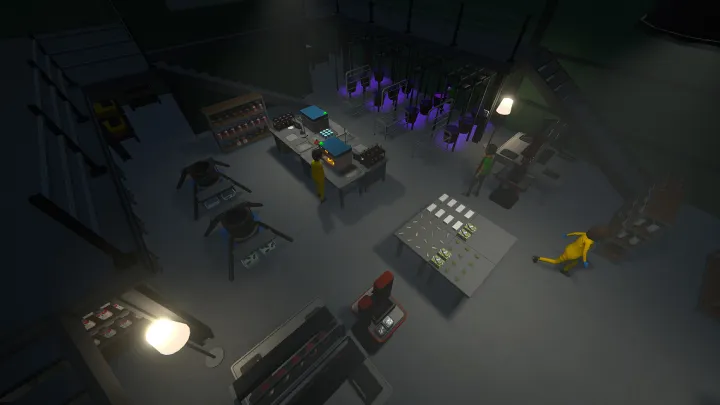
Schedule I operates on a turn-based system, allowing players to plan their moves carefully. Here are the key mechanics to understand:
- Resource Management: Players must gather and utilize resources effectively to progress in the game.
- Character Development: Each character has unique abilities that can be upgraded over time.
- Decision-Making: Choices made in the game can lead to different outcomes, affecting the storyline and gameplay.
Understanding these mechanics is crucial for navigating the challenges ahead and ensuring a successful gaming experience.
Choosing Your Character
Selecting the right character is a fundamental step in Schedule I. Each character comes with distinct strengths and abilities that can greatly influence your gameplay style and strategy.
Character Attributes
When choosing a character, consider the following key attributes:
- Strength: This impacts physical combat effectiveness and the ability to withstand damage.
- Intelligence: Affects strategic decision-making and the ability to manage resources efficiently.
- Agility: Influences movement speed and evasion during combat scenarios.
Think about your preferred playstyle. If you favor aggressive tactics, a character with high strength may suit you best. Conversely, if you enjoy strategy and planning, consider a character with high intelligence to maximize your resource management capabilities.
Exploring the Game World
Once you've chosen your character, the next step is to explore the game world. Schedule I features diverse environments, each presenting unique challenges and opportunities for players.
Different Environments
Players will encounter various environments, including:
- Forests: These areas are rich in resources, making them ideal for gathering materials for crafting and survival.
- Mountains: Often provide valuable minerals and strategic vantage points that can be used during battles.
- Urban Areas: Host numerous NPCs and quests that can advance the storyline and provide rewards.
Exploring these environments thoroughly will enhance your resource collection and provide new quests to pursue, which can lead to significant rewards and advancements in the game.
Environmental Challenges
Each environment also presents specific challenges:
- Wildlife Encounters: In forests, be prepared for encounters with wild creatures that may attack.
- Weather Conditions: Mountain areas may have harsh weather that impacts movement and visibility.
- Urban Chaos: In city areas, you might face rival factions or challenging quests that require careful planning.
Understanding these challenges will help you prepare better and make informed decisions as you explore the game world.
Resource Management Strategies
Effective resource management is vital in Schedule I. Players must gather, allocate, and utilize resources wisely to progress in the game and overcome challenges.
Essential Resources
Key resources to focus on include:
- Food: Necessary for character stamina and health. Make sure to stockpile food to sustain your characters during long quests.
- Materials: Used for crafting weapons, tools, and other essential items. Collect a variety of materials to enable flexible crafting options.
- Gold: The currency used for trading and purchasing items from NPCs. Accumulating gold will enhance your ability to acquire rare items.
Develop a strategy for resource gathering and allocation to ensure your character remains well-equipped for challenges. This may involve prioritizing certain resources over others depending on your immediate needs.
Tips for Efficient Resource Gathering
To maximize your resource gathering efforts:
- Explore Thoroughly: Always search every nook and cranny of an environment, as resources can be hidden.
- Set Priorities: Focus on gathering resources that align with your current objectives and challenges.
- Utilize Tools: Craft tools that enhance your gathering efficiency, such as better weapons or harvesting equipment.
Implementing these strategies will ensure that you are never short on essential resources.
Crafting and Upgrading
Crafting plays a significant role in Schedule I, enabling players to create powerful items and enhance their characters. Understanding the crafting system is essential for success in the game.

Crafting Basics
Crafting allows players to combine resources to create new items. Here’s how to get started:
- Gather Materials: Collect various resources from your explorations, including plants, minerals, and animal parts.
- Access Crafting Menu: Use the in-game menu to access crafting recipes and see what items can be created.
- Experiment: Don’t hesitate to try different combinations of materials to discover new recipes.
Upgrading Equipment
Upgrading your equipment can significantly enhance your character's capabilities. Here are some tips:
- Prioritize Essential Items: Focus on upgrading weapons and armor first, as these will improve your survivability in battles.
- Enhance Abilities: Some upgrades may enhance your character's unique abilities, making them more effective in specific scenarios.
- Resource Allocation: Ensure you have the necessary resources before attempting upgrades to avoid wasting materials.
Crafting and upgrading can dramatically impact your performance in battles and improve your overall gameplay experience.
Engaging in Combat
Combat in Schedule I is both strategic and challenging. Understanding the mechanics of battles will help you succeed against various foes.
Combat Mechanics
Combat operates on a turn-based system, allowing players to think strategically about each move. Key aspects to focus on include:
- Character Abilities: Each character has unique abilities that can turn the tide of battle. Familiarize yourself with your character’s strengths.
- Enemy Weaknesses: Understanding the weaknesses of your opponents can help you exploit them for a quicker victory.
- Positioning: Maintain strategic positioning during battles to gain advantages, such as taking the high ground or avoiding enemy attacks.
Combat Strategies
To excel in combat, consider these strategies:
- Know Your Opponent: Study the strengths and weaknesses of enemies to exploit vulnerabilities effectively.
- Utilize Abilities Wisely: Save your character's unique abilities for critical moments in battle to maximize their impact.
- Team Coordination: If playing with allies, coordinate attacks to overwhelm opponents and cover each other's weaknesses.
Practicing these strategies will enhance your combat effectiveness and increase your chances of victory in challenging encounters.
Building Alliances
Schedule I allows players to form alliances with other characters or players, enhancing your gameplay experience and providing additional resources.
Benefits of Alliances
Forming alliances can yield several advantages:
- Resource Sharing: Collaborate with allies to exchange resources and strategies, improving overall efficiency.
- Joint Quests: Take on challenging quests together for greater rewards, as teamwork can often overcome difficult obstacles.
- Community Engagement: Building relationships within the game can lead to new opportunities, friendships, and support networks.
Engaging with other players will enrich your journey in Schedule I and provide valuable insights into gameplay strategies.
Tips for Forming Alliances
To build effective alliances, consider these tips:
- Communicate: Use in-game chat features or forums to connect with other players and discuss strategies.
- Participate in Events: Join community events to meet potential allies and showcase your skills.
- Be Trustworthy: Establish yourself as a reliable partner by helping others and fulfilling commitments, fostering stronger relationships.
Strong alliances can significantly enhance your gameplay, making it easier to tackle challenges and achieve your goals.
Keeping Up with Updates
Staying informed about updates is crucial to maintaining your competitive edge in Schedule I. The game frequently receives new features, content, and balance changes that can impact gameplay.
How to Stay Updated
To keep up with the latest developments:
- Follow Official Channels: Check the game’s website and social media for announcements about updates and new content.
- Join Community Forums: Engage with other players to share insights, strategies, and news about the game.
- Participate in Beta Testing: Join beta programs to test upcoming features and provide feedback, giving you a head start on new strategies.
Being proactive about updates will keep your gameplay fresh and exciting, allowing you to adapt quickly to new challenges.
Troubleshooting Common Issues
Even experienced players may encounter challenges while playing Schedule I. Knowing how to troubleshoot common issues can save you time and frustration, enabling you to get back to enjoying the game.
Common Problems and Solutions
Here are some frequent issues players face and their solutions:
- Performance Issues: If you experience lag or slow performance, consider lowering the graphics settings and closing background applications.
- Connection Problems: Check your internet connection and restart your router if necessary to resolve connectivity issues.
- Gameplay Bugs: If you encounter bugs or glitches, report them to the support team for prompt resolution and follow their guidelines.
Addressing these issues quickly will help maintain a smooth gaming experience and enhance your enjoyment of Schedule I.
Advanced Strategies for Success
Once you have a solid understanding of the basics, you can start implementing advanced strategies to maximize your effectiveness in Schedule I.
Time Management
Time is a critical resource in Schedule I. Effective time management can lead to significant advantages:
- Plan Your Days: Organize your in-game time to balance exploration, combat, and resource management.
- Set Goals: Define short-term and long-term objectives to keep your gameplay focused and efficient.
- Adapt to Changing Situations: Be flexible in your planning, adjusting your strategies based on new challenges or opportunities that arise.
Maximizing Character Progression
To ensure your character evolves effectively, consider these strategies:
- Focus on Skill Trees: Invest points in skills that complement your playstyle and enhance your character's strengths.
- Diversify Abilities: While specializing can be beneficial, having a diverse skill set can provide advantages in different scenarios.
- Participate in Events: Engage in community events and challenges to earn experience points and level up quickly.
Implementing these advanced strategies will help you excel in Schedule I and create a more enjoyable gaming experience.
Conclusion
Mastering Schedule I requires a combination of strategy, exploration, and community engagement. By understanding the game mechanics, choosing the right character, managing resources effectively, and collaborating with others, you can excel in this dynamic and immersive world. Remember to stay updated on game changes, troubleshoot any issues you encounter, and continuously adapt your strategies. With these strategies in hand, you are well on your way to becoming a Schedule I expert, ready to conquer challenges and enjoy everything this game has to offer.
Summary:
Master Schedule I with strategies for character selection, resource management, crafting, combat, alliances, and troubleshooting common issues.