







Stellaris is a vast and complex grand strategy game that challenges players to lead an interstellar empire across centuries of exploration, expansion, diplomacy, and warfare. With its dynamic AI, semi-random tech tree, and deep simulation systems, Stellaris can be overwhelming. This guide walks you through how to master the game in ten chronological phases, offering practical strategies and insights to help you thrive from the moment your species leaves its homeworld to the final galactic crisis.
1. Starting Strong: Empire Creation and Early Planning
Your empire's design determines your playstyle, strengths, and limitations. Every choice—from ethics to civics to species traits—shapes your strategic options.
Choosing Ethics and Civics
Ethics define your diplomatic posture and internal policies. For example:
- Militarist and Xenophobe empires excel at conquest and purging.
- Pacifist and Egalitarian empires are ideal for tall play and federations.
- Materialist empires gain tech advantages, while Spiritualists unlock psionic ascension.
Civics like Technocracy or Fanatic Purifiers drastically alter gameplay. Choose civics that synergize with your ethics and long-term goals.
Picking the Right Traits
Species traits affect growth, research, and resource production. Some powerful options include:
- Intelligent: boosts research output.
- Rapid Breeders: accelerates population growth.
- Adaptive: improves habitability.
- Strong: enhances army damage and worker output.
Conclusion: A well-designed empire sets the tone for your entire campaign. Think long-term and build synergy between ethics, civics, and traits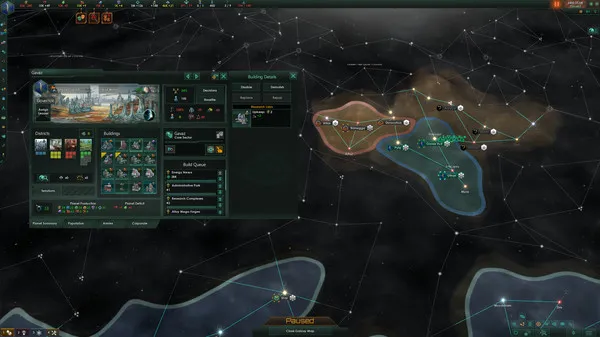 .
.
2. Exploring Efficiently: Early Game Scouting and Expansion
The first few decades are critical for exploration and territorial expansion. You’ll need to balance science ship deployment with resource management.
Science Ship Strategy
Build at least two science ships early. Assign leaders with traits like Careful or Archaeologist to reduce anomaly risk and boost discovery rewards. Focus on surveying nearby systems and identifying chokepoints.
Strategic Expansion
Don’t expand blindly. Prioritize:
- Chokepoints for defensive control.
- Systems with rare resources like Zro or Dark Matter.
- Habitable planets with high habitability and size.
Avoid overextension, which can strain your economy and unity generation.
Conclusion: Early exploration defines your borders and resource base. Smart scouting prevents future bottlenecks and sets up long-term success.
3. Managing Resources: Balancing Economy and Growth
Stellaris features a layered economy with energy, minerals, alloys, consumer goods, food, and more. Mismanagement can lead to stagnation or collapse.
Planetary Specialization
Assign planets specific roles based on their districts and features:
- Forge Worlds: focus on alloy production.
- Tech Worlds: prioritize research labs.
- Agri Worlds: maximize food output.
- Trade Worlds: boost energy via trade routes.
Use planetary designations to gain bonuses and automate resource focus.
Trade and Starbases
Trade routes generate energy but require protection. Build starbases with trade hubs and add modules like hangar bays or gun batteries to defend against pirates.
Conclusion: A balanced economy ensures sustainability. Specialize planets and protect trade routes to maintain growth and stability.
4. Building a Military: Fleet Composition and Defense
Military strength is essential for survival and expansion. Even pacifist empires need strong fleets to deter aggression and defend borders.
Fleet Composition
Mix ship types for versatility:
- Corvettes: high evasion, good for skirmishes.
- Destroyers: ideal for point defense.
- Cruisers: balanced firepower and durability.
- Battleships: long-range heavy hitters.
Use the ship designer to tailor weapons and defenses to counter enemy fleets.
Defensive Infrastructure
Build starbases at chokepoints and upgrade them with:
- Gun batteries for raw damage.
- Hangar bays for fighter support.
- Shield and armor modules for durability.
Add defensive platforms for extra firepower.
Conclusion: A flexible fleet and fortified borders protect your empire and allow you to project power across the galaxy.
5. Handling Diplomacy: Alliances, Federations, and Influence
Diplomacy in Stellaris is dynamic and powerful. You can form federations, vassalize empires, or manipulate galactic politics to your advantage.
Managing Influence
Influence is a limited resource. Use it wisely for:
- Making claims on enemy systems.
- Enacting edicts to boost empire performance.
- Upgrading starbases in strategic locations.
- Assigning envoys to improve relations or sway votes.
Building Relationships
Improve diplomatic standing through:
- Trade deals and research agreements.
- Non-aggression pacts and defensive alliances.
- Sending envoys to boost opinion.
Eventually, you can form federations or integrate vassals into your empire.
Conclusion: Diplomacy is a powerful tool. Use influence strategically and build alliances that serve your long-term goals.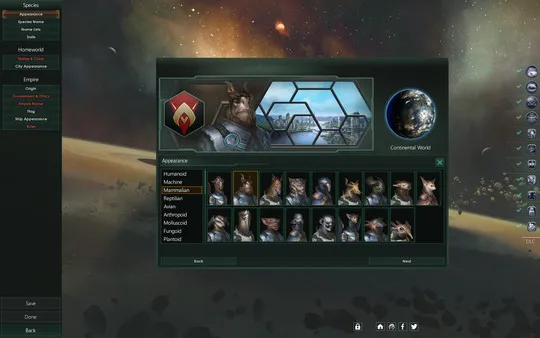
6. Developing Technology: Research Priorities and Special Projects
Technology drives progress in Stellaris. The semi-random tech tree requires careful prioritization to stay ahead of rivals.
Research Strategy
Early priorities should include:
- Energy techs to stabilize your economy.
- Alloy production for fleet building.
- Research speed bonuses to accelerate future techs.
Mid-game priorities shift to:
- Mega-engineering for megastructures.
- Advanced weapons and defenses.
- Crisis countermeasures and strategic resources.
Special Projects and Anomalies
Don’t ignore anomalies and archaeological sites. They unlock powerful bonuses, unique technologies, and narrative depth.
Conclusion: Smart research choices accelerate your empire’s growth and prepare you for late-game threats and opportunities.
7. Managing Pops and Planets: Stability and Specialization
Population management becomes critical as your empire grows. Unemployment, crime, and low amenities can destabilize even powerful empires.
Balancing Jobs and Housing
Ensure planets have enough jobs and housing. Build:
- City districts for housing.
- Industrial districts for jobs.
- Buildings like holo-theaters and clinics for amenities.
Monitor crime and happiness to prevent unrest.
Planetary Automation
Use automation for minor colonies, but manually manage core worlds. Assign governors with traits like Intellectual or Architect to boost performance.
Conclusion: Stable planets produce more and rebel less. Monitor POPs and specialize worlds for maximum efficiency.
8. Winning Wars: Tactics, Claims, and Occupation
War in Stellaris is more than brute force. Strategic planning and execution are essential for victory.
War Goals and Claims
Before declaring war:
- Make claims on target systems.
- Choose appropriate war goals (e.g., conquest, humiliation).
- Check enemy alliances and fleet strength.
Tactical Execution
Use multiple fleets to:
- Hit weak points and isolate enemy forces.
- Occupy planets and starbases.
- Block reinforcements and retreat paths.
Build armies for planetary invasions and use generals with strong traits.
Conclusion: Victory in war requires preparation, coordination, and understanding of enemy weaknesses.
9. Handling the Endgame: Crisis, Megastructures, and Ascension
The late game introduces powerful mechanics and threats. You’ll need to prepare for galactic-scale challenges.
Ascension Paths
Choose one of the three ascension paths:
- Synthetic Evolution: convert your species into machines.
- Psionic Ascension: unlock psychic powers and Shroud access.
- Biological Mastery: genetically engineer your species.
Each path offers unique bonuses and storylines.
Megastructures and Crisis Preparation
Build megastructures like:
- Dyson Spheres for energy.
- Ring Worlds for massive population capacity.
- Strategic Coordination Centers for fleet bonuses.
Prepare fleets for endgame crises like the Unbidden, Scourge, or Contingency.
Conclusion: Endgame is where empires are tested. Ascend wisely and prepare for galaxy-shaking events .
.
10. Achieving Victory: Score, Domination, and Roleplay
Victory in Stellaris isn’t always about conquest. You can win through score, federation leadership, or narrative satisfaction.
Victory Conditions
You win by:
- Having the highest score when the game ends.
- Eliminating all rival empires.
- Leading a successful federation or galactic community.
Victory can also be personal—did your species fulfill its destiny?
Roleplay and Legacy
Many players define victory by story:
- Did your empire shape the galaxy’s future?
- Did you overcome existential threats?
- Did your species evolve into something greater?
Conclusion: Victory is what you make of it. Whether through domination, diplomacy, or storytelling, Stellaris rewards strategic vision.
Final Thoughts
Mastering Stellaris requires understanding its layered systems and adapting to its dynamic galaxy. From empire creation to endgame crises, each phase demands strategic thinking, resource management, and tactical execution. Whether you’re a conqueror, a diplomat, or a scientist, Stellaris offers endless paths to victory—and this guide gives you the tools to walk them with confidence