





The First Descendant is a free-to-play third-person looter-shooter developed by Nexon. Players take control of powerful “Descendants,” each with unique abilities, weapons, and playstyles, fighting against alien invaders known as the Vulgus. The game combines fast-paced action with RPG-style progression, offering missions, crafting, gear upgrades, and large boss fights.
This guide will walk you step-by-step through how to start, progress, unlock characters, optimize builds, farm efficiently, and eventually tackle endgame challenges. Whether you’re brand-new or aiming to sharpen your skills, the following sections will help you master The First Descendant.
Getting Started: Basics and Early Game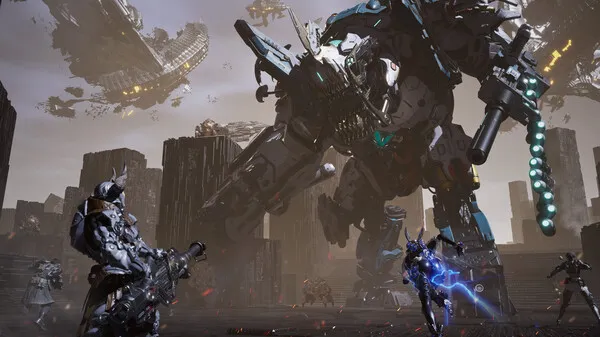
When you first begin, you’ll choose one of three starter Descendants: Lepic, Ajax, or Viessa. Lepic is often considered the easiest for beginners thanks to his explosive skills, while Ajax provides strong defensive utility and Viessa specializes in slowing enemies.
After choosing your starter, complete the tutorial missions. These teach you the fundamentals: movement, combat, grappling hook, skill usage, and upgrading gear. Once you’re comfortable, move into regular missions where you’ll begin earning experience, loot, and resources.
Early on, focus on increasing your Mastery Rank. This progression system unlocks more mod capacity, extra inventory slots, and overall account-wide bonuses that make future Descendants and gear stronger.
Progressing Through the Main Story
The main questline is your roadmap to unlocking more of the game’s systems, zones, and characters. Each mission introduces you to new mechanics and steadily increases difficulty.
Following the story ensures that you unlock crafting systems, new NPCs, and Albion, the central hub city where you’ll spend much of your time upgrading and preparing. Story missions also reward valuable resources needed later for crafting new Descendants.
While you can grind side missions, prioritize the main storyline until you’ve unlocked all the core systems. Once that’s complete, you can revisit zones at higher difficulties for better rewards.
Unlocking and Researching New Descendants
At the start, you’ll have only your first chosen Descendant. To expand your roster, you’ll need to use the Research system. Research requires specific materials, in-game credits, and time to complete.
Each new Descendant requires four key components: an Enhanced Cell, Stabilizer, Spiral Catalyst, and Code. These are earned by defeating enemies, clearing missions, and dismantling gear. Once gathered, take them to the research NPC in Albion to begin crafting.
Some Descendants can also be unlocked through special quests or premium currency. However, most can be earned simply by playing and farming materials, making them accessible to free players.
Building and Upgrading Gear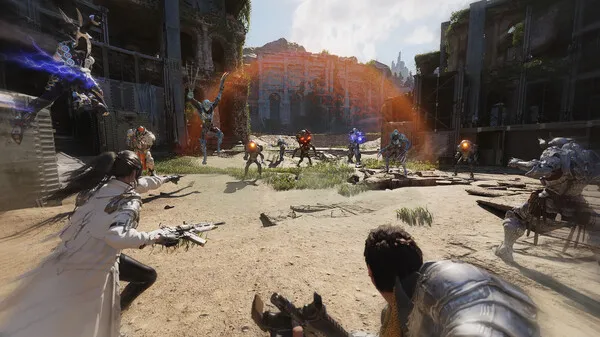
Gear in The First Descendant is divided into weapons, reactors, external components, and mods. All work together to shape your power level and playstyle.
- Weapons: You can equip three at a time. Each has rarity, level, and mod slots. Assault rifles are beginner-friendly, but experiment with snipers, SMGs, and special weapons to see what fits your style.
- Reactors: These enhance your Descendant’s skill power, often tied to elements like fire or ice. Match your reactor to your character’s skills for maximum effect.
- External Components: These function like armor pieces, boosting survivability. Higher-rarity components often add useful defensive stats.
- Mods: Mods enhance both weapons and Descendants. They increase damage, reduce cooldowns, or add unique bonuses. Be mindful of mod capacity—better mods consume more. Increasing Mastery Rank expands your capacity, allowing more powerful builds.
Combat Tips: Surviving and Winning Fights
Combat in The First Descendant is fast, chaotic, and skill-based. Knowing how to fight smart will keep you alive and efficient.
- Aim for Weak Points – Enemies and bosses often have weak spots that deal bonus damage. Learn to recognize and target these consistently.
- Use Your Grappling Hook – This is more than just movement. Use it to reposition, escape danger, or reach high ground for tactical advantage.
- Manage Your Skills – Spamming abilities wastes mana and leaves you vulnerable. Save big skills for when they’ll make the most impact, such as crowd control moments or boss phases.
- Watch Enemy Patterns – Bosses in particular telegraph their attacks. Learn the animations and dodge accordingly.
Playing in Co-op and Multiplayer
The First Descendant shines in co-op play. You can team up with up to three other players, making tough missions and bosses much easier.
Team composition matters. For example, having one Descendant with strong crowd control, another with defensive shields, and others focused on damage ensures smoother fights. Avoid duplicating roles unless your group agrees on a specific strategy.
Communication also improves success. Even simple pings or quick voice chat can help coordinate skills, warn about enemies, or time big damage bursts on bosses.
Farming and Leveling Efficiently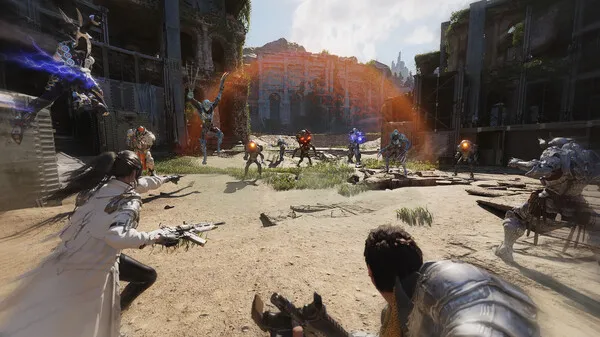
Leveling up your Descendant and gear is essential for progressing to tougher content. Instead of grinding blindly, use efficient farming methods.
- Replay Missions – Missions on higher difficulty give better rewards. Focus on farming those for XP and gear.
- Void Intercept Battles – These large boss fights drop rare loot, including reactors and transcendent mods. They’re tougher but very rewarding.
- Daily and Weekly Quests – Completing these consistently gives a steady stream of currency and resources.
- Dismantle Old Gear – Instead of selling weak equipment, dismantle it for crafting resources to upgrade your best items.
Preparing for Endgame Content
After finishing the story, the real challenge begins. Endgame consists of harder difficulty missions, tougher bosses, and optimization of your builds.
At this stage, focus on:
- Perfecting mod setups by aligning mods with sockets for reduced capacity cost.
- Upgrading your strongest weapons to higher rarity versions.
- Farming transcendent mods, which provide unique, game-changing effects.
- Preparing optimized Descendants for different situations—some excel in AoE, others in single-target boss fights.
Void Intercept Battles are central to endgame. Learn boss mechanics, weak points, and phases. These fights test not only your build but also your ability to cooperate with others.
Advanced Tips and Tricks
To push your performance even further, consider these advanced strategies:
- Element Matching – Pair your Descendant’s skills with reactors and weapons of the same element to maximize synergy.
- Resource Management – Don’t overspend resources upgrading temporary gear. Save them for high-rarity weapons or core Descendants you plan to main long-term.
- Learn Multiple Descendants – Some missions or bosses favor different playstyles. Being versatile ensures you can adapt.
- Stay Mobile – Standing still is the fastest way to die. Constant movement and repositioning reduce incoming damage and keep you in control of fights.
Common Mistakes to Avoid
Many beginners make the same errors. Here’s what to watch out for:
- Ignoring Mastery Rank – Without increasing Mastery, you’ll run into capacity limits that weaken your builds.
- Wasting Mods – Don’t use rare mods on low-level gear you’ll quickly replace. Save them for strong, long-term builds.
- Forgetting Objectives – Missions are often about defending or capturing points. Don’t focus only on kills while ignoring the goal.
- Not Experimenting – Some players stick with one weapon or Descendant forever. Experimentation helps you discover stronger strategies.
Conclusion
The First Descendant offers a deep, rewarding loop of combat, loot, and progression. By starting with the basics, focusing on Mastery Rank, unlocking new Descendants through research, and carefully building your gear, you’ll steadily grow stronger. Co-op play, efficient farming, and understanding boss mechanics are keys to success in the mid and late game.
Ultimately, the journey is about improving not only your character but also your strategy. With persistence, smart resource management, and adaptability, you’ll be ready for every challenge the game throws your way.