



Valorant is a first person shooter developed by Riot Games that combines tactical gunplay with unique agent abilities. Since its release in 2020, the game has grown into one of the most popular competitive shooters worldwide. Its mixture of precise shooting mechanics similar to Counter Strike and hero based abilities makes it both familiar and refreshingly different.
For newcomers, Valorant can feel overwhelming. The pace is fast, the skill ceiling is high, and each mistake is costly. But by following a structured approach, you can steadily improve. This guide will take you from the basics to advanced strategies, teaching you how to master Valorant step by step.
Understanding the Core of Valorant
Each match in Valorant is a battle between two teams of five players. The attacking team aims to plant a device called the spike at specific sites on the map. The defending team must prevent the spike from being planted or defuse it once activated.
Matches are divided into multiple rounds. A team wins a round by either eliminating the enemy team or completing their objective. The first team to win enough rounds takes the match. Success depends not only on aim but also on strategy, coordination, and proper use of agent abilities.
Learning the Controls and Shooting Mechanics
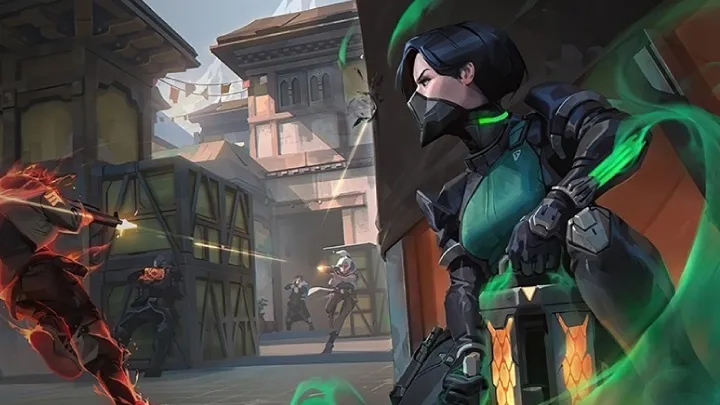
Valorant shooting mechanics reward precision. Unlike many shooters, firing while moving dramatically reduces accuracy. To land shots consistently, players must stop moving before shooting. This mechanic forces deliberate positioning and timing.
Each weapon has its own recoil pattern. Understanding these patterns and learning to control them is crucial. Spend time in the training range to practice spray control, burst firing, and tap shooting. With repetition, you will gain muscle memory that carries into real matches.
Choosing the Right Agent for Your Playstyle
Valorant agents are divided into four roles. Duelists specialize in aggressive plays and entry fragging. Controllers use smokes and abilities to shape the battlefield. Initiators create openings with reconnaissance or disruptive tools. Sentinels focus on defense and support.
Choosing an agent should depend on your strengths and your team composition. If you enjoy fast paced gunfights, Duelists may suit you. If you prefer supporting teammates with vision and control, Sentinels or Controllers are better choices. Understanding your role ensures your team functions effectively.
Building Strong Aiming Skills
Good aim is the foundation of Valorant. Regardless of the agent you pick, you will rely on accurate gunplay to win fights. Improvement comes from consistent and deliberate practice.
Spend time daily in the practice range. Work on crosshair placement by keeping it at head level, practice flick shots against bots, and train your spray transfers. Aim trainers outside of Valorant can also sharpen reflexes. Over time, small improvements build into major gains.
Managing the In Game Economy
Valorant features a unique money system. After each round, players earn credits based on performance, wins, and losses. These credits are used to buy weapons, armor, and abilities.
Managing money is critical. Sometimes saving for a stronger buy in the next round is smarter than wasting credits. Teams that coordinate their purchases have a better chance of winning multiple rounds in a row. Learn when to full buy, half buy, or eco, and always communicate with your teammates about financial decisions.
Learning Maps and Callouts
Every map in Valorant has unique layouts, choke points, and spike sites. Mastery comes from memorizing common angles, entry points, and defensive spots. Knowledge of the terrain allows you to anticipate enemy movements and set up advantageous positions.
Callouts are standardized names for locations on maps. Using proper callouts makes communication faster and clearer. Instead of saying the enemy is near a corner, you can say short A or B long. The more precise the callouts, the quicker your team can respond.
Communication and Teamwork
Valorant is a team game at its core. Even the best individual aim cannot carry without coordination. Clear and calm communication allows a team to execute strategies effectively. Always share enemy positions, spike locations, and economy information.
Teamwork also involves playing your role. A Duelist should enter sites first, while a Controller should save smokes for key moments. Respecting team dynamics builds trust and ensures higher chances of winning rounds.
Developing Advanced Strategies
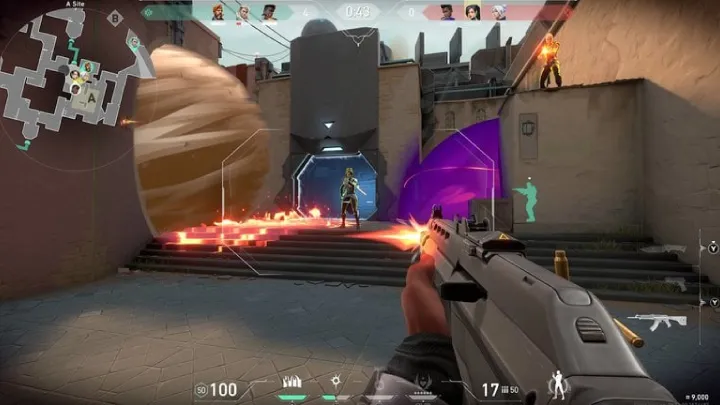
As you improve, strategy becomes just as important as raw aim. Advanced tactics include site executes, fakes, rotations, and retakes. Coordinating abilities with teammates can overwhelm defenders or open space for attackers.
For defenders, advanced strategies involve setting crossfires, baiting pushes, or stacking sites. Creative plays such as fake spike plants or coordinated pushes often catch opponents off guard. The best teams adapt constantly, never relying on the same tactic twice.
Improving Mental Resilience
Valorant matches can last up to an hour. Maintaining focus and composure is essential. Frustration from losing rounds or making mistakes can harm performance. Developing mental resilience helps maintain consistency.
Stay calm even during losing streaks. Instead of focusing on frustration, analyze what went wrong and adjust. Take breaks between matches to reset your mind. Players with strong mental discipline perform better under pressure and help keep the team motivated.
Practicing and Reviewing Performance
Improvement in Valorant is not just about playing more games. It is about practicing with intent and reviewing your performance. Set specific goals for each session, such as improving crosshair placement or practicing utility usage.
Watching replays of your matches helps identify mistakes and opportunities. You can also learn by observing professional players or streamers, analyzing how they approach different situations. Combining practice with review accelerates progress and builds deeper understanding.
Conclusion
Mastering Valorant is a gradual process. From understanding the basics to developing advanced strategies, every step contributes to becoming a better player. By improving your aim, learning maps, managing the economy, choosing the right agents, and communicating effectively, you will build a strong foundation. Adding mental resilience and consistent practice ensures long term success.
Valorant is not only about sharp shooting but also about teamwork, strategy, and mindset. With patience and dedication, you can climb ranks, support your team, and enjoy the satisfaction of mastering one of the most exciting tactical shooters of our time.
Summary :
Step by step guide to mastering Valorant covering aim, economy, agents, maps, teamwork, strategies, mental focus, and consistent practice.