




Gorilla Tag is one of the most unique and energetic VR games available today. Instead of moving with a joystick, players use their arms to push off surfaces, climb trees, and leap across obstacles like real gorillas. The result is a thrilling, fast-paced experience that combines fitness, skill, and fun. For newcomers, the mechanics may feel strange at first, but with practice, Gorilla Tag becomes not just a game but also an exciting workout. This guide will show you exactly how to get started, how to improve, and how to master every aspect of Gorilla Tag, from movement and tagging to community engagement and safety.
Getting Started with Gorilla Tag
The first step is making sure you have the right equipment. Gorilla Tag is available on Meta Quest headsets (Quest, Quest 2, Quest 3) and can also be played on PC VR through SteamVR. You do not need expensive controllers with complex button layouts since Gorilla Tag relies mainly on arm motion.
When you launch the game for the first time, you appear in the treehouse. This location functions as the hub, where you can learn the basics, practice movement, and customize your gorilla. The treehouse is designed as a safe place for new players to experiment before entering public matches. Many players skip this stage and dive straight into competitive lobbies, but spending time in the hub is valuable. You can practice pushing off the ground, climbing walls, and testing how far your arm movements propel you forward.
Learning the Basics of Movement
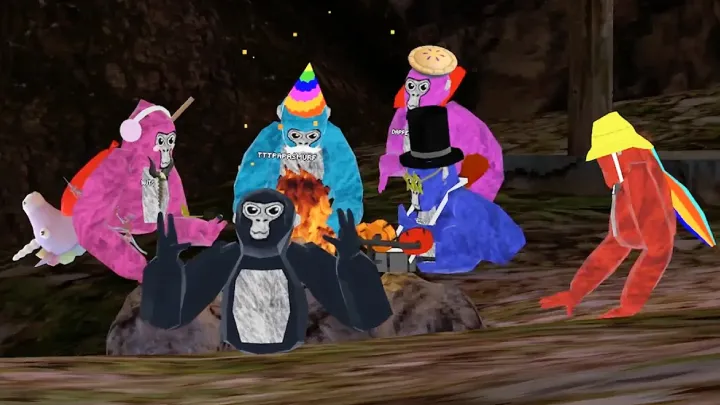
Movement in Gorilla Tag is unlike any other VR game. You do not walk in real life; instead, you simulate gorilla motion by pushing against the ground or walls with your arms. To move forward, place your hands down and push behind you, generating momentum. Long, smooth swings are more efficient than short, frantic pushes.
Climbing is another essential skill. Every surface can be gripped and pulled. Imagine climbing a ladder, but instead of rungs, you have trees, rocks, and walls. Use alternating hands to pull yourself upward and quickly establish a rhythm. Players who master climbing can escape opponents more easily and use vertical paths others ignore.
At first, this system feels tiring, but your body adapts over time. The key is to remain relaxed and avoid wasting energy. Focus on smooth motions rather than brute force.
How to Tag and Avoid Being Tagged
The core of Gorilla Tag revolves around chasing and evading. If you are the tagger, your goal is to touch other players to turn them into taggers. If you are being chased, survival is the priority.
Tagging effectively requires prediction. Instead of blindly running behind someone, watch their movement pattern. Many players panic and run in predictable straight lines. Anticipate where they will go, cut across the map, and intercept them. Using higher ground is another smart tactic. By climbing above an opponent, you can drop down unexpectedly to secure a tag.
Avoiding tags is equally skillful. The best runners are unpredictable. Switch directions often, climb suddenly, and use the environment to hide. Jumping from branch to branch or bouncing off walls can create confusion. Never let the tagger feel comfortable predicting your moves.
Mastering Vertical Movement
Ground movement is important, but true mastery in Gorilla Tag comes from using vertical space. The maps are designed with trees, walls, caves, and ledges that reward creative climbing.
Tree climbing is a vital technique. Learning how to scale trunks quickly and transition to branches gives you both an escape route and a vantage point. From above, you can see the entire map, spot taggers early, and plan escape paths.
Wall climbing and wall running are advanced skills that separate experienced players from beginners. By rhythmically pushing against vertical walls, you can move upward or sideways without falling. This technique requires practice but dramatically increases your options during matches. Skilled wall runners can cross entire areas while opponents struggle below.
How to Improve Speed and Stamina
Since Gorilla Tag demands physical effort, improving both speed and endurance is essential. The more efficient your movement, the longer you can stay competitive.
For speed, focus on long, powerful arm swings that cover ground quickly. Stay low and use wide motions to maintain balance. Avoid slapping the ground too hard, which wastes energy and slows momentum. Learn to use one arm to push while the other balances, creating smoother forward motion.
Stamina comes from consistent play and gradual training. Start with short sessions to build endurance, then extend your playtime. Stretch your arms and shoulders before each game to reduce fatigue. With regular practice, your body adapts, and Gorilla Tag becomes both easier and more fun.
How to Play Game Modes
Gorilla Tag includes several modes, each offering different challenges. Understanding how each works helps you plan better strategies.
Infection mode is the classic choice. One player starts as the tagger, and every time they tag someone, that person also becomes a tagger. The game continues until everyone is infected. This mode creates exciting tension, especially when only one untagged player remains.
Hunt mode assigns each player a specific target to tag. At the same time, another player is hunting you. This creates a cycle of predator and prey where you must balance offense and defense. Hunt mode tests awareness and decision-making.
Casual mode is designed for learning and socializing. Tagging does not matter here, making it the perfect environment for beginners or players who simply want to relax.
How to Use Maps Effectively
The maps in Gorilla Tag are not just backgrounds; they are tools for strategy. Knowing each layout gives you an edge.
The Forest map is the most iconic. Filled with tall trees and platforms, it emphasizes climbing and branch movement. Players who dominate tree movement thrive here.
The Canyon map focuses on steep cliffs, narrow ledges, and open spaces. Success depends on mastering wall climbing and quick directional changes.
The Caves map is darker and echo-filled. Sound becomes an important clue. Listening carefully for footsteps and movement allows you to anticipate opponents even when vision is limited.
The best way to learn maps is to explore them alone in casual mode. Familiarity with shortcuts and hiding spots makes a massive difference in real matches.
How to Customize Your Gorilla
Cosmetics do not change gameplay, but they add personality. Players can decorate their gorillas with hats, glasses, badges, and seasonal outfits. Items are purchased with shiny rocks, an in-game currency earned daily or through optional purchases.
Customization creates identity. Many players are recognized in the community by their favorite cosmetic items. Events and seasonal updates often introduce limited-time cosmetics, making collection a fun side activity.
Though it does not help you tag faster or escape better, customization makes Gorilla Tag more personal and enjoyable. Standing out visually can even make you easier to find in social lobbies, which some players love.
How to Join and Build Community
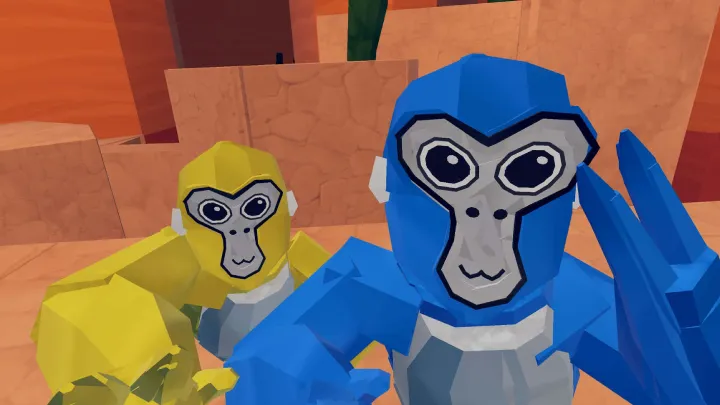
One of the greatest strengths of Gorilla Tag is its social experience. The game thrives on interaction, voice chat, and shared fun.
Public lobbies are chaotic but exciting. You will meet players of all skill levels, from beginners to veterans. These lobbies are great for practice, but they also require adaptability since each match feels unpredictable.
Private lobbies let you control the experience. By sharing a code with friends, you can create a quieter environment to practice, experiment with new moves, or simply hang out. Many players use private lobbies to run custom mini-games.
Outside the game, Gorilla Tag has an active community on Discord, Reddit, and YouTube. Joining these spaces connects you with other fans, offers opportunities to learn advanced techniques, and helps you stay updated with new features.
Staying Safe While Playing
Because Gorilla Tag involves intense physical movement, safety should always come first. Make sure your play area is clear of obstacles like furniture, lamps, or cables. Accidentally hitting something while swinging your arms can cause injury or damage equipment. Always wear wrist straps to prevent dropping your controllers.
Online safety is just as important. Gorilla Tag attracts players of all ages, and interactions can be unpredictable. Avoid sharing personal information and report toxic behavior if encountered. Remember that the fun of the game depends on respectful and safe interaction.
How to Keep Improving Over Time
Becoming a skilled Gorilla Tag player takes time and persistence. Improvement comes from steady practice, observation, and reflection.
Record your gameplay to analyze mistakes. You may notice that you waste energy on inefficient arm swings or miss opportunities to climb when under pressure. Identifying these habits allows you to make small but impactful changes.
Watching experienced players is another valuable method. YouTube and community videos showcase advanced techniques like wall running, branching, and juking opponents. Try to replicate their movements during practice.
Finally, remember that Gorilla Tag is both a game and a workout. Improvement does not happen instantly. Enjoy the process, celebrate small victories, and stay consistent. Over time, you will find yourself surviving longer, tagging faster, and playing smarter.
Conclusion
Gorilla Tag is more than just a VR game. It is an energetic combination of physical activity, skill, creativity, and community. To master it, you must learn the basics of arm-driven movement, develop strategies for tagging and escaping, and practice vertical climbing and wall running. Exploring different maps, customizing your gorilla, and engaging with the community adds layers of enjoyment beyond gameplay. By focusing on speed, stamina, and safety, you can turn Gorilla Tag into both an entertaining pastime and a fun workout. With patience and dedication, anyone can progress from a beginner struggling to move to a skilled gorilla swinging confidently through the treetops.
Summary :
Master Gorilla Tag with tips on movement, tagging, maps, modes, stamina, safety, and community. Train your arms and enjoy VR like never before.