
![Simpsons [HORROR]](https://arbcdn.techfast.vn/0b51753c5bc9486bb6dfb8974ef220ab.webp)




League of Legends, often referred to as LoL, is one of the most popular multiplayer online battle arena games in the world. Developed by Riot Games, it combines strategy, teamwork, mechanical skill, and quick decision making. Each match pits two teams of five players against each other with the main objective of destroying the enemy Nexus, located deep within the opposing team’s base.
While the idea may sound simple, the depth of League of Legends comes from its massive pool of champions, unique abilities, different roles, and strategic map control. New players are often overwhelmed by the complexity of the game, while even experienced players constantly strive to improve. This guide is designed to explain step by step how to play and master League of Legends, with tips that cover everything from the basics to advanced strategies.
Understanding the Basics of the Game
Before diving into complex mechanics, it is essential to understand how a standard League of Legends match works. Each game takes place on Summoner’s Rift, a map divided into three main lanes: top, middle, and bottom. Between the lanes lies the jungle, which is filled with neutral monsters.
The ultimate objective is to destroy the enemy Nexus, but that cannot be done without first pushing through turrets and inhibitors that defend each lane. Every player selects a champion with unique skills and abilities. These champions fall into categories like tanks, assassins, mages, marksmen, and supports, each playing a different role on the team.
Winning a game requires more than just killing enemies. You need to manage resources, control vision, secure objectives, and coordinate with your teammates. The earlier you understand these fundamentals, the smoother your improvement will be.
Learning the Different Roles

League of Legends has five main roles, each with its own responsibilities and challenges.
The top laner usually plays tanky champions or bruisers who can withstand damage and often split push in the later stages of the game. The jungler roams the map, farming neutral monsters while helping teammates by ganking lanes and securing objectives like Dragon and Baron Nashor. The mid laner plays mages or assassins and often becomes the primary damage dealer. The bottom lane consists of two players: the attack damage carry (ADC) and the support. The ADC focuses on farming and dealing damage from range, while the support provides protection, healing, or crowd control.
Understanding each role’s purpose is critical because it helps you adapt to your team’s needs and counter the opponent’s strategies. New players should try each role at least once to appreciate how the team functions as a whole.
Mastering the Champion Pool
League of Legends has over 160 champions, each with unique abilities. For beginners, this number can feel overwhelming, but the key is to focus on mastering a small pool of champions rather than trying to learn them all at once.
Start by choosing champions that fit your preferred role. For example, if you enjoy ranged combat, pick an ADC like Ashe or Jinx. If you prefer tanky frontline play, try champions like Malphite or Garen. By sticking with a few champions, you will understand their abilities, item builds, and matchups more deeply.
As you gain confidence, gradually expand your pool. Learning champions from other roles gives you flexibility and helps you understand enemy strengths and weaknesses. Mastery is not about playing every champion but knowing when and how to use the ones you are best with.
How to Farm and Manage Gold
Gold is the currency of League of Legends, used to buy items that make your champion stronger. Farming, or last hitting minions, is the main way to earn gold. Perfecting the art of last hitting is one of the most important skills for every player.
Last hitting means timing your attacks to deliver the killing blow to minions. Missing too many minions puts you at a gold disadvantage, making it harder to fight your opponent. To practice, spend time in training mode focusing only on last hitting without abilities.
Beyond farming, gold management involves buying the right items at the right time. Build paths change depending on your champion and the state of the game. Knowing whether to buy defensive items, offensive items, or utility items can make a huge difference in your impact.
Controlling the Map and Vision
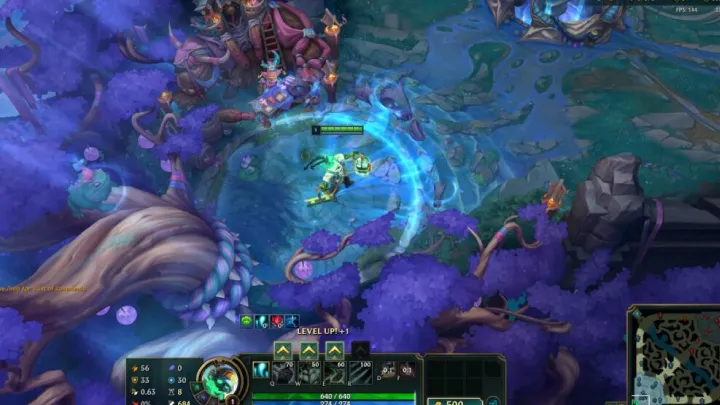
Vision control is often what separates casual players from skilled ones. Wards are small items that reveal parts of the map, allowing your team to spot enemy movements and avoid ambushes.
Supports usually buy and place more wards, but vision is the responsibility of every role. Strategic ward placement in river bushes, jungle entrances, and around objectives like Dragon and Baron can prevent surprise attacks and give your team control.
On the other hand, removing enemy vision with control wards or sweepers denies them valuable information. A team with better vision almost always has the upper hand, because they can dictate fights and control objectives with confidence.
Teamfighting and Positioning
Teamfights are the core of League of Legends in the mid and late game. Winning a single teamfight can lead to taking major objectives or even ending the game. Understanding your role in these fights is crucial.
For example, tanks should be in the frontline soaking up damage and protecting their carries. Assassins need to find the right moment to dive onto enemy damage dealers. ADCs should stay in the backline, dealing consistent damage while avoiding threats.
Positioning is everything. Standing too far forward as an ADC can get you eliminated instantly, while a tank hiding in the back is wasting their potential. Proper spacing, target focus, and coordination with teammates decide the outcome of most fights.
Objectives and How to Secure Them
In League of Legends, objectives often matter more than kills. Dragons, Rift Heralds, Baron Nashor, and turrets all provide massive advantages that can swing the game in your favor.
Dragons give permanent buffs to your team, and securing multiple Dragons creates a huge advantage. The Rift Herald helps push lanes by summoning a creature that damages turrets. Baron Nashor provides a powerful buff that strengthens minions and helps in sieging enemy bases.
Knowing when to take objectives is key. For example, after winning a teamfight, your team should look for Dragon or Baron instead of chasing kills. Coordinating with teammates to secure objectives is one of the fastest ways to achieve victory.
Communication and Teamwork
League of Legends is not a solo game, even if individual plays can change outcomes. Effective communication is one of the most important aspects of success. Using pings, quick messages, and map awareness can help you coordinate without always typing.
Simple actions like pinging missing enemies, warning of danger, or signaling your intent to attack help your team stay on the same page. Avoid blaming teammates during mistakes, as negativity often leads to more errors.
Teamwork goes beyond communication. Respecting your teammates’ roles, protecting your carries, and adjusting strategies depending on the situation are all forms of good teamwork. A united team usually beats a group of strong but selfish players.
Common Mistakes and How to Avoid Them
Many players, especially beginners, repeat the same mistakes. One common error is overextending, which means pushing too far into enemy territory without vision. This often leads to easy deaths and lost advantages.
Another mistake is tunnel visioning on kills. While eliminating opponents feels rewarding, focusing too much on chasing kills can make you ignore objectives, which are far more important for winning.
Finally, many players neglect adapting their item builds. Sticking to the same build every game does not always work. Learn to build against your opponents by buying defensive or utility items when needed.
Advanced Tips to Improve
Once you understand the basics, improving further requires more advanced strategies. One important skill is wave management. Freezing, slow pushing, and fast pushing waves can control the pace of the game and force your opponent into bad positions.
Another advanced tactic is roaming. Mid laners and supports often leave their lanes to assist others. Successful roams create advantages across the map but require good timing and communication.
Lastly, study replays of your games. Watching what you did right and wrong gives insight into habits you may not notice while playing. Professional players often analyze their gameplay regularly, and adopting this habit accelerates improvement.
Conclusion
League of Legends is a complex but rewarding game that combines strategy, teamwork, and mechanical skill. By learning the basics, understanding roles, mastering champions, and focusing on objectives, you can steadily improve. Vision control, communication, and positioning are what separate beginners from advanced players. Avoiding common mistakes and applying advanced strategies like wave management and roaming will elevate your play to the next level.
At its heart, League of Legends is about teamwork and adaptability. Every match is different, and no single strategy guarantees victory. By practicing consistently, learning from each game, and working with your teammates, you can master the Rift and enjoy one of the most competitive gaming experiences available.
Summary :
Master League of Legends with tips on roles, champions, farming, objectives, vision, and teamwork to improve strategy and dominate matches.