




Dota 2, developed by Valve, is one of the most complex and competitive multiplayer online battle arena (MOBA) games in the world. Known for its steep learning curve and strategic depth, it requires skill, teamwork, and patience. Unlike many games where individual skill dominates, Dota 2 thrives on coordination, knowledge, and decision-making.
If you are just starting out or aiming to sharpen your skills, this guide will walk you through everything you need to know: the basics, roles, heroes, strategies, advanced mechanics, and how to grow into a strong and reliable player.
1. Understanding the Basics of Dota 2
Before diving into the battlefield, you must understand the fundamentals. Dota 2 is a 5v5 game where each team defends its base while trying to destroy the enemy Ancient. Matches usually last between 30 and 60 minutes.
The map is divided into three lanes — top, middle, and bottom — with a jungle area filled with neutral creeps. Each player controls a unique hero with different abilities and roles. Success comes from teamwork, resource management, and strategy.
Core Concepts
- Each team has five heroes with distinct roles.
- Gold and experience fuel progression.
- Destroying towers opens the way to the enemy Ancient.
- Communication and coordination matter as much as mechanics.
2. Choosing the Right Hero
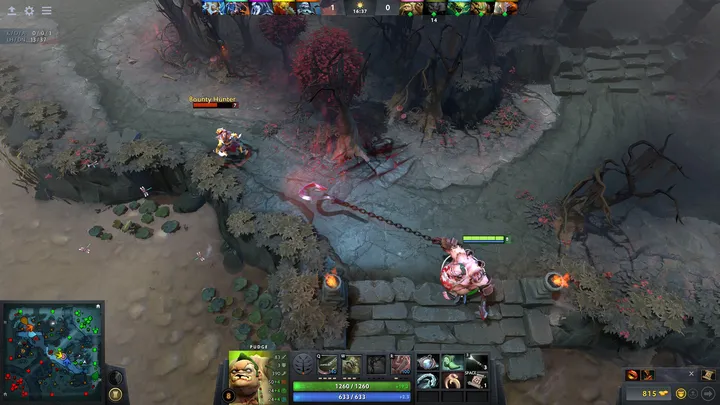
Dota 2 offers over 120 heroes, each with unique skills, strengths, and weaknesses. Heroes are usually categorized into roles: carry, support, offlaner, midlaner, and utility.
Beginners often make the mistake of picking complex heroes. Instead, start with simpler options that allow you to learn the game without being overwhelmed. As you gain experience, experiment with more mechanically demanding heroes.
Beginner-Friendly Heroes
- Support: Lion, Lich, Ogre Magi
- Carry: Sniper, Wraith King
- Midlaner: Dragon Knight, Viper
- Offlaner: Tidehunter, Centaur Warrunner
3. Learning the Map and Objectives
Map awareness is one of the most important skills in Dota 2. The map is symmetrical but has unique features such as Roshan’s pit, high grounds, and secret shops.
Knowing where to move, when to rotate, and how to exploit vision can give you a huge advantage. Wards and map control often decide matches at higher levels of play.
Key Objectives
- Towers: Destroy to gain map control.
- Barracks: Taking these weakens enemy creeps.
- Roshan: Killing him grants the Aegis, a powerful resurrection tool.
- Runes: Provide buffs or resources every few minutes.
4. Farming and Gold Management
Gold is the lifeline of Dota 2. Carries need it for items, while supports must spend wisely on wards and team utilities. Learning how to farm efficiently separates beginners from experts.
Creeplast hitting, denying enemy creeps, and pulling neutral camps are fundamental techniques. At the same time, don’t hoard gold unnecessarily — items are more powerful when bought and used early.
Farming Tips
- Practice last-hitting to maximize gold per wave.
- Deny your own creeps to reduce enemy experience.
- Learn to stack neutral camps for later farming.
5. Itemization: Building for the Situation
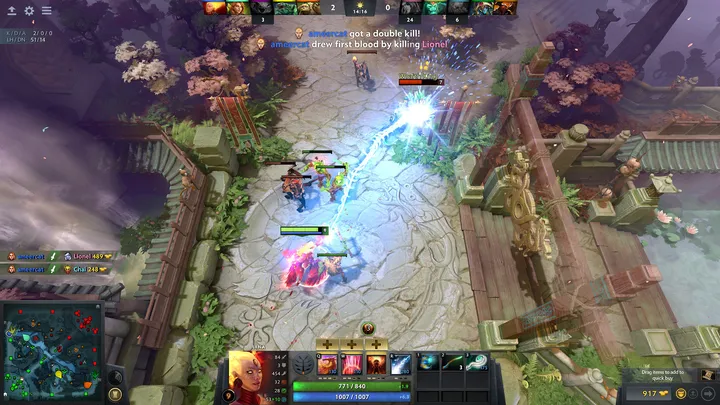
Unlike some games with fixed builds, Dota 2 requires situational itemization. Each hero has core items, but you must adjust depending on the enemy lineup and game state.
For example, if the enemy has strong spellcasters, buying Black King Bar (BKB) is crucial. If they have high mobility, items like Scythe of Vyse or Orchid Malevolence can counter them.
Common Items
- Support Essentials: Observer Wards, Smoke of Deceit, Force Staff.
- Carry Cores: Black King Bar, Butterfly, Satanic.
- Utility Picks: Mekansm, Pipe of Insight, Lotus Orb.
6. Team Roles and Responsibilities
Each of the five players has a role to fulfill. Success depends on understanding not only your responsibilities but also how they interact with your teammates.
Core Roles Explained
- Carry (Position 1): Grows stronger with items; focus on farming early, damage later.
- Midlaner (Position 2): Gains fast levels; responsible for early pressure.
- Offlaner (Position 3): Disrupts enemy farm; usually a durable initiator.
- Soft Support (Position 4): Roams, ganks, and provides pressure across lanes.
- Hard Support (Position 5): Buys wards, supports team, and protects the carry.
Mastering these roles ensures you know what’s expected of you in every match.
7. Communication and Teamwork
Dota 2 is not a solo game. Even the most skilled players cannot win without teamwork. Using pings, quick chat, and voice communication keeps your team coordinated.
Toxicity is common in competitive games, but staying calm improves performance. Encourage teammates, share resources, and avoid blame-shifting — it helps morale and often leads to victory.
Teamwork Essentials
- Share information about enemy positions.
- Call out Roshan attempts and missing heroes.
- Coordinate ultimate abilities for maximum impact.
8. Power Spikes and Timing
Every hero has power spikes, moments when they are significantly stronger. Knowing when to fight and when to farm is key. For example, Luna becomes strong after getting her first big item, while Enigma peaks when Black Hole is ready.
For team success, align your strategies with these timings. Forcing fights at the right moment can turn the tide of the game.
Examples of Power Spikes
- Level 6 (heroes with strong ultimates).
- First major item completion.
- Roshan + Aegis timing for pushes.
9. Advanced Mechanics and Strategies
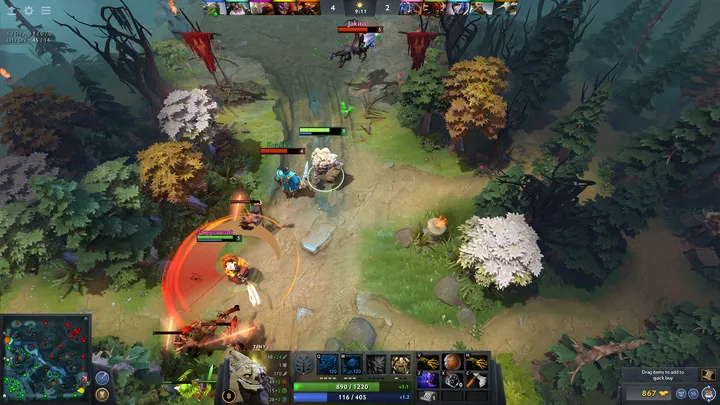
Once you understand the basics, you can focus on advanced skills like creep equilibrium, smoke ganks, split-pushing, and vision control. These techniques often decide games at higher ranks.
Learning mechanics like “aggro manipulation,” “creep stacking,” and “pulling” makes you a more efficient player. Strategy and mind games, like fake-backs or baiting, are also critical at this stage.
Advanced Skills to Practice
- Creep equilibrium: Control lane position for safety.
- Stacking & pulling: Optimize farm for yourself or teammates.
- Vision warfare: Use wards to control enemy movement.
10. Staying Motivated and Improving Long-Term
Dota 2 is not mastered overnight. The complexity of the game means improvement comes with practice, patience, and reflection.
Set small goals, such as mastering one hero pool, improving your creep score, or learning a specific role. Watching professional matches and replays of your own games can also provide valuable insight.
Growth Tips
- Play regularly but avoid burnout.
- Learn from mistakes instead of blaming teammates.
- Join communities or find friends to play with for better synergy.
Conclusion
Dota 2 is a game of depth, strategy, and teamwork. To play effectively, you must start with the basics — understanding the map, heroes, and roles. From there, mastering farming, itemization, teamwork, and advanced mechanics will elevate your gameplay.
It is not just about reflexes, but about decision-making, adaptability, and patience. With persistence, you’ll progress from a beginner to a confident player who can make an impact in every match.