




Grow a Garden is a peaceful simulation game where players become virtual gardeners, personally planting, watering, harvesting, and managing their own green paradise. The game provides not only a relaxing experience but also challenges players to think strategically about space, time, and resource management. Whether you're just starting or aiming to optimize every inch of your garden, this guide will walk you through all the essential steps to grow and master your dream garden.
Plan Your Garden Layout
Before planting any seeds, the first step is planning your layout. A well-thought-out layout helps save time, resources, and boosts productivity over time.
Divide your garden into different zones for vegetables, fruit trees, flowers, and rare plants. If the game includes mechanics like sunlight or water flow, place your plants accordingly. Avoid crowding the plants, as too little space between them may slow down their growth and reduce yield.
It’s also wise to set aside areas for compost bins, crafting stations, or decorative elements later. A clear layout early on allows for better expansion and smoother progress as your garden grows larger.
Prepare the Soil
Once you’ve decided on a layout, your next task is soil preparation this is the foundation of any successful garden.
You’ll start by removing rocks, weeds, and any debris using basic tools like a hoe or shovel. After clearing the area, till the soil to make it loose and suitable for planting. Most games also reward you with small bonuses for completing this cleanup phase.
To improve your soil further, apply compost or organic fertilizer. Some crops require nutrient-rich soil to reach their full potential. Preparing your soil thoroughly at the beginning will help your first plants thrive and set a strong pace for your garden’s development.
Plant the Right Seeds
With the soil ready, it’s time to start planting. But not all seeds are created equal planting smart will make a big difference.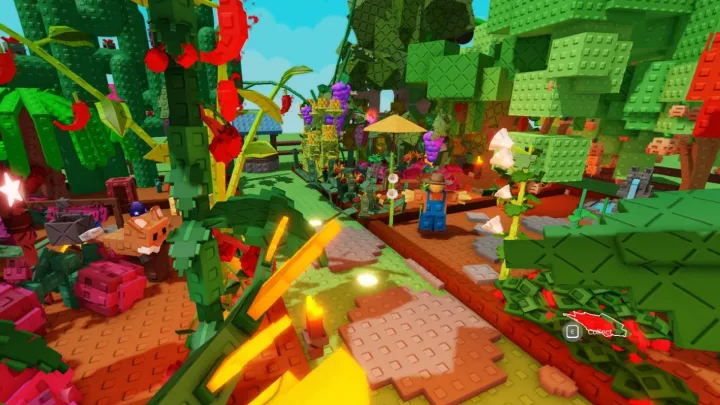
Fast-growing vegetables like lettuce, spinach, or tomatoes are great for beginners because they provide quick rewards. Once you gain some experience and resources, you can plant longer-growing crops like pumpkins, fruit trees, or decorative plants that offer better profits.
It’s best to plant in cycles. For example, plant a portion of your crop daily instead of all at once. This way, you’ll always have something to harvest and won’t be overwhelmed with work at any one time.
Take Care of Your Garden Daily
Consistent care is key to maintaining a healthy and productive garden. Just like in real life, your plants won’t thrive on their own.
Make it a habit to log in daily to water your crops, remove weeds, catch bugs, and fertilize when needed. Some crops require more attention than others, especially rare or seasonal plants. Neglecting even one or two days can slow growth or even kill the crop.
As you progress, you’ll unlock irrigation systems and automatic tools to help with daily care. These tools make managing a larger garden more efficient and give you more time to focus on expansion or crafting.
Harvest at the Right Time
Once your plants are mature, it’s time to harvest but don’t be too eager. Timing plays a crucial role in quality and profit.
Each plant has a specific growth cycle, and harvesting too early can result in lower yields or smaller items. On the other hand, waiting too long might cause the plant to wither or attract pests. Use the crop journal or visual indicators in the game to harvest at the perfect time.
Once harvested, decide whether to sell, store, or use the items for crafting. If your storage is limited, prioritize crops with higher value and sell off the excess immediately.
Upgrade Tools and Garden Structures
As your garden grows, your basic tools will no longer be efficient enough to keep up with demand. Upgrades are essential for faster and better gameplay.
Focus on upgrading the most-used tools first like your watering can, shovel, hoe, and storage containers. Upgraded tools help reduce energy usage, speed up tasks, and improve crop yield. Some upgrades even unlock new planting or care techniques.
You can also expand your garden space, build greenhouses, and install compost stations. These structures provide long-term benefits and are key to progressing into the mid and late game.
Craft Items and Sell for Profit
Grow a Garden isn't just about growing vegetables it's also about turning your harvests into high-value products.
You can use your crops to create juices, jams, herbal teas, or cosmetic items. Crafted goods usually sell for much more than raw crops and are often required to complete special quests. Some recipes might also unlock rare seeds or items.
Once crafted, you can sell these items in your shop or fulfill specific orders for NPCs. These orders sometimes offer rare seeds or decorations as bonuses, giving you even more reason to engage in crafting.
Participate in Quests and Events
To level up quickly and earn rare rewards, you should regularly participate in the game’s quests and seasonal events.
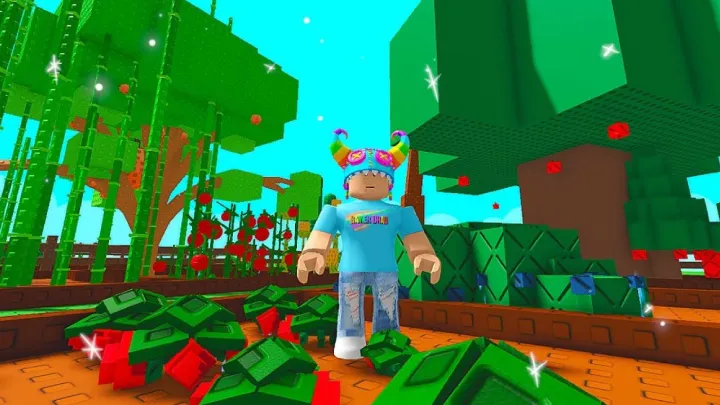
Daily quests and story missions introduce you to new mechanics, offer valuable rewards, and unlock new tools. These missions often guide you toward efficient ways to grow your garden. Meanwhile, limited-time events—like spring festivals or harvest holidays provide access to exclusive plants and decorations.
Some events even include mini-games or competitions with other players. Winning these challenges can earn you prestige, event-only rewards, and more advanced tools.
Protect Your Garden from Pests and Weather
As your garden expands, you’ll face new challenges like pests, diseases, and changing weather conditions.
Insects like aphids or beetles can destroy crops if left untreated. You’ll need to craft repellents, build fences, or use companion planting methods to keep your plants safe. Organic pesticides using herbs such as basil or mint are also effective and easy to make.
Weather events like droughts or storms may damage unprotected crops. Consider building greenhouses, installing water collectors, or planting based on the season to minimize risk and loss.
Expand and Optimize Your Entire Garden
Once your basic garden is stable, it’s time to grow into an advanced, self-sufficient ecosystem.
Unlock additional plots and create themed areas such as a flower zone, an orchard, or an herb garden. You might even rearrange existing sections for better space management. Organizing your crops based on growth time or water needs can help you streamline daily tasks.
Eventually, you'll gain access to full automation systems sprinklers, compost machines, garden assistants that let your garden run smoothly with little input. At this point, you can focus on design, rare crafting, and hitting 100% garden completion.
Conclusion
Grow a Garden is a relaxing yet highly strategic game. It’s not just about planting seeds—it’s about managing resources, planning for the future, and creating something beautiful and rewarding. Whether you’re a casual player or aiming for total garden mastery, this guide will help you make smarter decisions and enjoy the game to its fullest. Remember: every great garden starts with one small seed and consistent care.
Summary
Grow a Garden guide from start to mastery: plan layout, plant smart, harvest on time, craft for profit, and protect crops while expanding your dream garden.