




Starfield, developed by Bethesda Game Studios, marks a monumental step forward in open-world gaming. Known for their legendary titles like The Elder Scrolls and Fallout, Bethesda has now taken players beyond the stars into a vast and detailed galaxy. Starfield offers an immersive space adventure where exploration, freedom, and discovery take center stage.
In this guide, you will learn how to play Starfield effectively, understand its systems, and master every aspect of your journey from piloting ships to engaging in combat, building outposts, and shaping your destiny across the stars. Whether you’re a newcomer or an experienced gamer, this comprehensive how-to article will guide you step by step toward becoming a master explorer in Starfield’s universe.
Understanding the World of Starfield
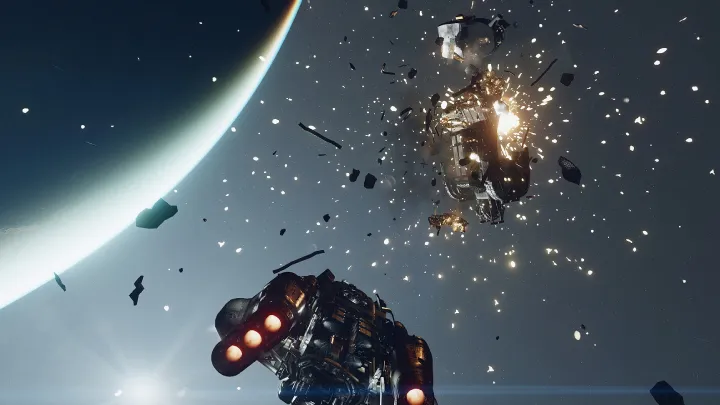
Starfield is set in the year 2330, in a region of the Milky Way called The Settled Systems. This area consists of dozens of star systems and over a thousand explorable planets. Humanity has spread across the stars, establishing colonies, factions, and new societies.
At the heart of the story is your character, a member of Constellation a group of space explorers dedicated to uncovering the mysteries of the galaxy. From this starting point, players can choose to follow the main storyline or freely explore the universe, crafting their own adventures.
Unlike traditional RPGs, Starfield emphasizes realism in space travel. Gravity, fuel, distance, and planetary environments all affect gameplay. Learning how to adapt to these mechanics is key to surviving and thriving in this interstellar sandbox.
Creating Your Character and Backstory
One of the first steps in Starfield is character creation. Bethesda has introduced one of its most detailed systems yet, allowing players to craft unique characters that affect gameplay outcomes.
You begin by selecting your background, which determines your starting skills and influences how NPCs react to you. For example:
- Bouncer: Focuses on combat and intimidation.
- Diplomat: Skilled in persuasion and negotiation.
- Scientist: Excels in research and crafting.
Each background grants three starting skills that fit its theme. Choosing wisely can make the early game easier and align with your playstyle.
Additionally, you can select up to three traits. Traits can be both advantages and disadvantages. For example, "Introvert" increases stamina when playing solo but reduces it in groups, while "Kid Stuff" gives you parents you can visit but requires part of your earnings to be sent to them.
Customization goes beyond appearance your choices define how others perceive you and how your story unfolds across the stars.
Mastering the Basics of Space Travel
Starfield’s core experience lies in space exploration. Traveling between planets, navigating ship systems, and understanding how to manage resources are essential skills.
When piloting your ship, you must manage energy distribution between systems such as engines, weapons, shields, and grav drive. Balancing power during battle or exploration can determine whether you survive a hostile encounter.
Fuel and grav jump mechanics add realism. Although fuel limits are forgiving, understanding how far your ship can travel is important when planning long-range missions. Players can also manually land on planets, scan celestial bodies, and engage in ship-to-ship combat.
To excel in navigation:
- Use the star map to plan efficient routes.
- Upgrade your grav drive for longer jumps.
- Keep an eye on ship mass; heavy cargo affects travel speed.
Space travel in Starfield isn’t just transportation — it’s an adventure of its own, filled with random encounters, pirates, and mysteries waiting to be uncovered.
Exploring Planets and Collecting Resources
Exploration is one of the most rewarding aspects of Starfield. Each planet has unique biomes, weather conditions, and ecosystems. Some worlds are rich with resources; others hide ancient ruins or alien secrets.
Before landing, use your scanner to assess planetary conditions. Information such as gravity, atmosphere, and temperature determines what gear you need to survive. On extreme planets, the wrong suit or lack of oxygen can quickly end your mission.
Once you land, gather materials like iron, helium-3, and water. These resources are vital for crafting, research, and building outposts. You can also scan flora and fauna to complete planetary surveys and earn credits.
Tips for efficient exploration:
- Always carry extra digipicks for unlocking containers.
- Use your jetpack for quick movement across rugged terrain.
- Keep an eye on your oxygen and power levels.
Every planet holds something unique — from abandoned facilities to hostile alien creatures. Curiosity and preparation will lead to the best discoveries.
Combat and Weapons Mastery
Combat in Starfield blends first-person and third-person shooting mechanics with RPG elements. Players can use ballistic, energy, and magnetic weapons, each offering distinct styles.
To succeed in battle, learn to adapt your tactics based on environment and enemy type. In zero gravity or on low-gravity planets, movement affects accuracy and recoil.
Weapon categories include:
- Ballistic weapons: Reliable but require physical ammo.
- Laser weapons: Effective against shields.
- Particle beam weapons: High damage and energy-based.
You can also use melee weapons or explosives for close combat. Upgrading weapon skills enhances reload speed, accuracy, and damage output.
Starfield’s combat rewards strategic thinking. For instance, shooting fuel tanks can trigger chain explosions, and stealth players can use suppressors to stay undetected.
Remember to mod your weapons at workbenches attachments like scopes, silencers, or extended magazines make a huge difference in tough fights.
Building and Upgrading Your Ship
Your ship is more than just transportation it’s your home, your base, and your lifeline. Players can own multiple ships, upgrade modules, and even design custom vessels from scratch.
At shipyards located in major cities like New Atlantis or Neon, you can buy new ships or modify existing ones. Upgrades include better weapons, stronger shields, faster engines, and larger cargo holds.
Key ship components include:
- Cockpit
- Reactor
- Grav drive
- Fuel tanks
- Cargo bay
- Weapons systems
When designing your ship, balance is crucial. Overloading your ship with heavy modules can reduce maneuverability and grav jump range. On the other hand, focusing too much on speed may weaken defense.
Owning multiple ships allows you to tailor each to specific missions — one for combat, one for exploration, and another for trade.
Upgrading and personalizing your ship ensures that you’re prepared for any challenge in deep space.
Building Outposts and Managing Resources
Outposts serve as your forward operating bases across the galaxy. You can build them on planets rich in resources, using them to extract materials and store supplies.
To establish an outpost, choose a flat area with accessible resources. Using your scanner, select the Outpost Beacon option to begin construction.
Once established, build essential structures like:
- Extractors for mining resources
- Power generators
- Storage containers
- Crew stations
Assign crew members to manage production and defense. The more skilled your crew, the more efficient your outpost becomes.
Outposts are not only for mining; they can also serve as rest stops or research centers. Connecting multiple outposts via cargo links allows resource sharing between systems, making large-scale crafting easier.
As your network grows, you can automate resource gathering and focus on exploration or missions without worrying about supplies.
Joining Factions and Shaping Your Story
Starfield’s world is rich with factions, each offering unique quests, rewards, and storylines. Your decisions affect alliances, enemies, and the overall outcome of your game.
Major factions include:
- United Colonies (UC): A structured, lawful organization focused on order and security.
- Freestar Collective: Champions of freedom and independence.
- Ryujin Industries: A corporate power dealing in espionage and cyber intrigue.
- Crimson Fleet: Space pirates who operate outside the law.
You can join multiple factions simultaneously, but choices within their missions may create conflicts. Aligning with certain groups unlocks exclusive perks, gear, and endings.
Factions also affect how NPCs react to you — working with pirates, for example, may cause lawful groups to distrust you.
Your moral choices, dialogue responses, and quest decisions define your legacy in the galaxy.
Progression, Skills, and Leveling Up
Progression in Starfield revolves around skill points, experience, and specialization. As you complete missions, explore planets, and defeat enemies, you earn experience to level up.
There are five main skill categories:
- Physical: Improves stamina and health.
- Social: Enhances persuasion and trading abilities.
- Combat: Boosts weapon performance and survival skills.
- Science: Unlocks crafting and research capabilities.
- Tech: Upgrades ship systems and outpost efficiency.
Each skill has multiple ranks that unlock through specific challenges. For example, to increase your Boost Pack Training, you must use the boost pack effectively in various environments.
Balancing skills across categories ensures versatility. A skilled explorer with solid combat and tech abilities will thrive in any situation.
Crafting, research, and upgrading gear also contribute to your character’s power. Invest time in laboratories to discover new technologies that enhance your exploration.
Endgame Exploration and Longevity
Even after finishing the main storyline, Starfield offers countless hours of exploration and replayability. The galaxy is vast, with hidden locations, mysterious artifacts, and randomly generated missions.
You can continue exploring uncharted planets, building new outposts, or upgrading your fleet. Random encounters in space keep the experience dynamic — from pirate ambushes to distress signals and ancient anomalies.
Players who enjoy creativity can use the ship-building and outpost systems to design impressive bases and share them with others. Meanwhile, the modding community continues to expand the game’s potential, ensuring Starfield remains a living, evolving universe.
Ultimately, Starfield is a game about freedom to chart your own path, forge your destiny, and uncover the mysteries among the stars.
Conclusion
Starfield represents a new era in open-world gaming, blending deep RPG mechanics with breathtaking space exploration. To master the game, players must balance resource management, combat skills, and curiosity-driven discovery.
Whether you choose to become a heroic explorer, a cunning trader, or a ruthless space pirate, Starfield allows you to shape your adventure in limitless ways. The galaxy is waiting — your choices will determine what kind of legend you become.
So prepare your ship, gather your crew, and set your course among the stars. The universe of Starfield is yours to conquer.
Summary :
Master Starfield with expert tips on exploration, combat, and space travel. Build ships, join factions, and shape your destiny across the stars.