




Introduction
Zoonomaly is a horror survival game that blends stealth, strategy, and tension into an environment crawling with unpredictable AI-driven anomalies. Unlike scripted enemies in other horror games, Zoonomaly’s anomalies adapt, learn, and alter their behaviors with each encounter. This makes balance less about traditional mechanics and more about survival intelligence. Many players struggle because they expect predictable patterns, but the AI in Zoonomaly punishes repetition. In this article, we’ll dive deep into the issue of AI unpredictability, survival strategies, and how players can truly master the game.
1. Understanding the Core Challenge of AI in Zoonomaly
One of the most unique aspects of Zoonomaly is how its anomalies use adaptive AI. Instead of simply following set patrol paths, anomalies respond to your actions—listening for footsteps, tracking flashlight beams, and even reacting to the frequency of hiding spots you use.
For players, this unpredictability raises the tension but also makes it harder to rely on old-school trial-and-error strategies. The key is to treat each encounter as dynamic rather than routine.
If you always hide in lockers, the AI will eventually begin checking them more often. This forces players to vary strategies to stay ahead.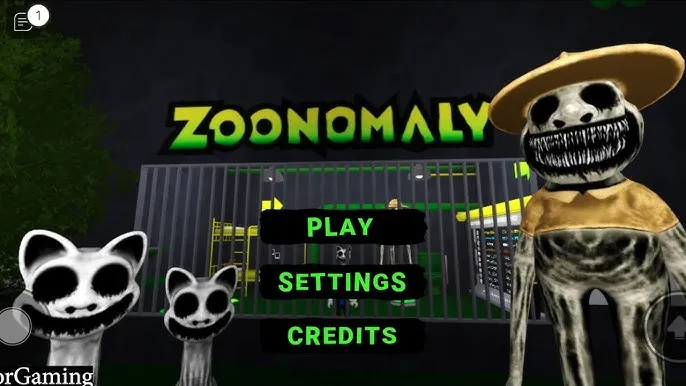
2. How to Read AI Behavior Patterns
While anomalies are unpredictable, they’re not entirely random. Each type of anomaly has tendencies—some are more aggressive hunters, while others stalk quietly before striking.
Learning how to “read” their movements and sounds can give you a vital survival edge. Listening carefully to audio cues like heavy breathing, distorted whispers, or clawing noises can reveal what type of anomaly is nearby.
Keeping a mental “logbook” of each anomaly type’s quirks helps you recognize their core tendencies, even when they adapt.
3. Managing Resources Under Pressure
Zoonomaly makes resource scarcity just as dangerous as the AI itself. Batteries, medkits, and distraction items are limited, meaning players can’t waste them carelessly.
Effective management means prioritizing what to use when. Saving batteries for moments of absolute darkness or medkits for when you’re near checkpoints can prevent unnecessary risk.
Key survival items include:
- Batteries – Preserve for flashlight use in anomaly-heavy zones.
- Noise-makers – Use sparingly to redirect AI attention.
- Medkits – Best saved for situations where a retry would set you back significantly.
4. Adapting Playstyle to Dynamic Environments
Environments in Zoonomaly are designed to be claustrophobic and changing. Doors lock unexpectedly, lights flicker, and paths can collapse. The AI doesn’t just react to you—it also benefits from these shifts.
Players must learn how to adapt their playstyle mid-mission. For example, relying heavily on one escape route might backfire if the environment changes. Flexibility is survival.
5. How to Use Sound as Both Weapon and Shield
Sound is a double-edged sword in Zoonomaly. Every footstep, every item drop, every door slam can alert anomalies. But sound can also be weaponized to trick them.
Stealth comes from moving slowly, avoiding loud actions, and shutting equipment off when not needed. At the same time, players can throw objects, use noise-makers, or create sound traps to lure anomalies away from danger zones.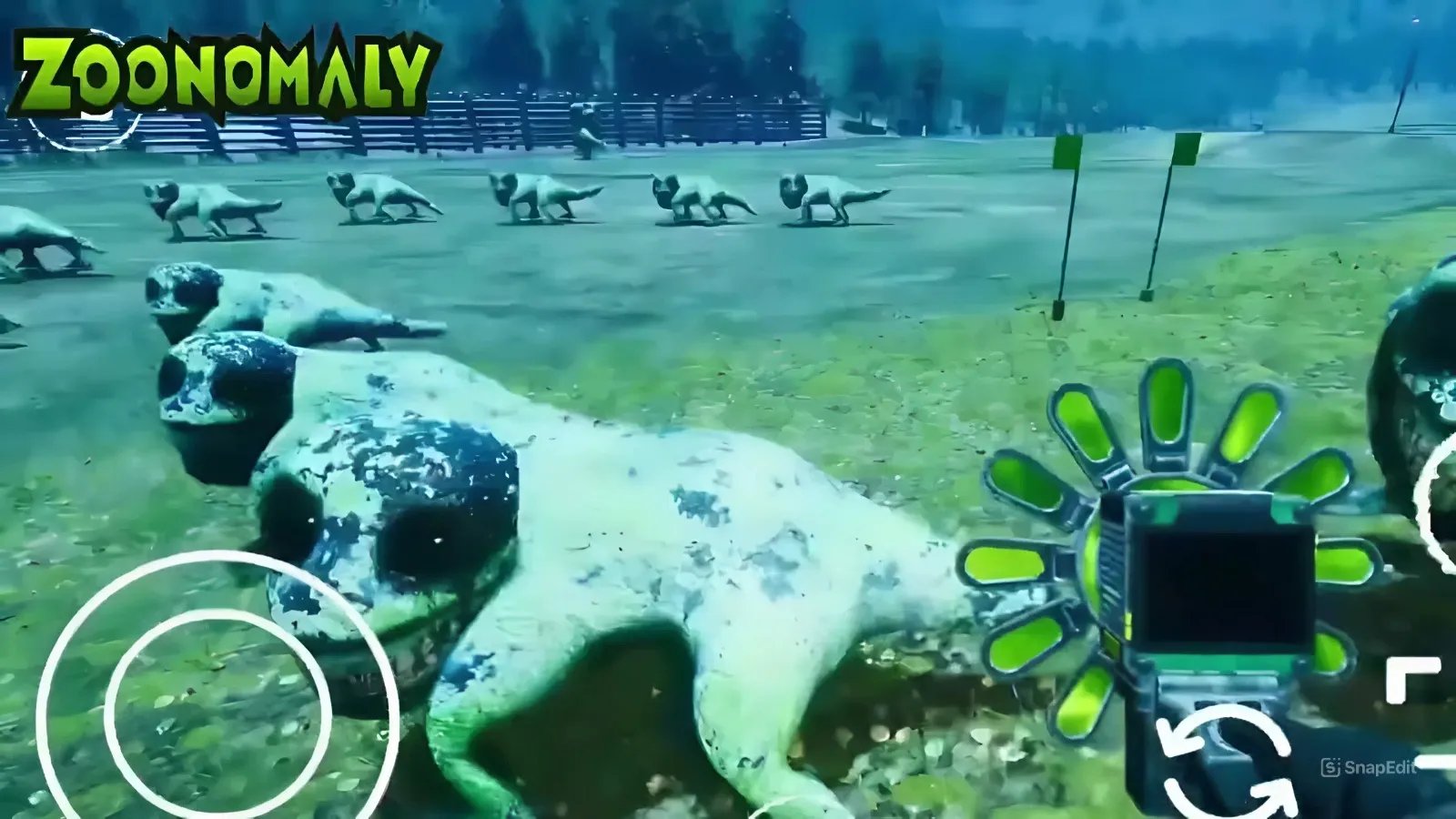
6. Building Mental Resilience Against AI Stress
What sets Zoonomaly apart from other horror titles is its ability to create psychological stress. Because the AI feels alive, players often panic, leading to mistakes.
Mental resilience is as important as strategy. Staying calm when anomalies adapt, controlling breathing, and maintaining focus on objectives prevents costly errors.
Practical techniques include deep breathing, taking short breaks, and using checkpoints as mental resets.
7. Exploiting Weaknesses in Anomaly Design
Despite their adaptive nature, anomalies aren’t flawless. Careful observation reveals exploitable weaknesses. Some anomalies are blind but hyper-sensitive to sound, while others are slow but relentless.
By identifying weaknesses, players can tailor strategies. Silence beats sound-trackers, while speed and traps counter slow hunters.
8. Cooperative Strategies in Multiplayer Mode
In multiplayer survival, AI unpredictability becomes even more complex, since anomalies adapt to multiple players at once. Coordination is key.
Players must assign roles—one acting as bait, another securing objectives, and others preparing escape routes. Communication ensures anomalies can’t isolate and eliminate players one by one.
Effective teams often use roles such as scouts, distractors, and objective runners to maximize survival chances.
9. How Updates Affect AI Behavior
Zoonomaly frequently updates its AI algorithms, meaning strategies that work one week may fail the next. Developers intentionally shift anomaly behavior to keep players on edge.
This evolving system means players must remain adaptive long-term. Guides and walkthroughs age quickly, so mastering fundamentals of unpredictability is more valuable than memorizing solutions.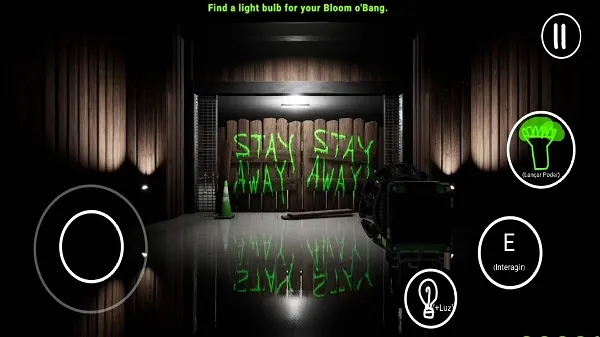
10. The Future of Balance in Zoonomaly
The unpredictability of AI makes balance in Zoonomaly a unique design challenge. Instead of traditional nerfs and buffs, balance means tweaking learning speed, aggression levels, and resource availability.
Players can expect ongoing adjustments, and survival mastery will always come from learning adaptability over predictability.
Conclusion
Zoonomaly redefines survival horror by removing scripted enemy patterns and replacing them with adaptive AI that feels alive. While this creates frustration for some, it also delivers unmatched tension and immersion. Mastering the game requires patience, strategy, and the ability to constantly adapt. By learning how to read AI behavior, manage resources, and maintain mental resilience, players can not only survive but thrive in this ever-changing nightmare.