




Rust is not just a game—it’s a brutal test of survival, strategy, and adaptability. Whether you're a fresh spawn or a seasoned raider, Rust demands constant vigilance and smart decision-making. This guide walks you through the full lifecycle of a Rust player: from waking up naked on the beach to dominating the server with high-tier gear and fortified bases. Let’s dive into the essentials of surviving and thriving in Rust.
1. First Spawn: What to Do in Your First 10 Minutes
When you first spawn in Rust, you’re naked, vulnerable, and alone. Your first priority is gathering basic resources: wood, stone, and food. Use your rock to hit trees and stone nodes, and look for hemp plants to craft a sleeping bag.
Place your sleeping bag as soon as possible—it acts as a respawn point. Avoid monuments and high-traffic areas early on, as they’re often patrolled by geared players. Stick to the outskirts and focus on survival.
Quick Checklist for First 10 Minutes
- Gather 1000 wood and 500 stone
- Craft a stone hatchet and pickaxe
- Place a sleeping bag in a hidden location
2. Building Your First Base
Once you have enough resources, it’s time to build a starter base. A simple 2x1 or 2x2 layout is enough to protect your loot and give you a safe place to respawn. Use wood initially, but upgrade to stone as soon as possible.
Place a Tool Cupboard (TC) inside and lock it with a key or code lock. The TC prevents others from building near your base and controls upkeep. Don’t forget to add a door and lock—many players lose their first base by forgetting this step.
Starter Base Essentials
- Stone walls and foundation
- Tool Cupboard with resources
- Code lock on door and TC
3. Gathering and Crafting: Tools, Weapons, and Workbenches
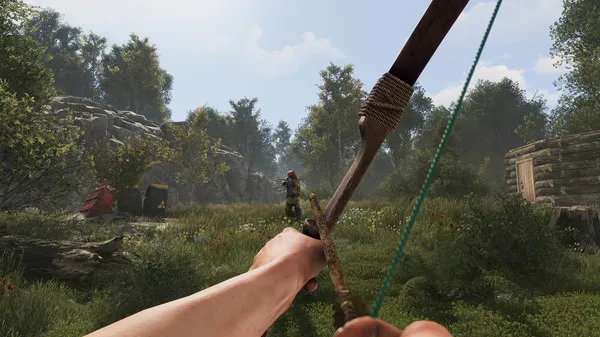
With your base secured, shift focus to crafting better tools and weapons. Upgrade your hatchet and pickaxe, and craft a bow for defense. Hunt animals for cloth and food, and recycle components at safe zones like Outpost.
Build a workbench to unlock higher-tier items. Tier 1 allows basic weapons and armor, while Tier 2 and 3 unlock rifles, explosives, and advanced gear. Prioritize crafting items that improve mobility and defense.
Recommended Early Crafting
- Workbench Tier 1
- Bow and arrows
- Wood armor and burlap clothing
4. Exploring the Map and Choosing a Strategic Location
Rust’s map is procedurally generated, but key landmarks like monuments, rivers, and roads remain consistent. Learn the layout and choose a base location that balances safety and access to loot.
Avoid building too close to monuments early on, but stay near roads for easy component farming. Forested areas offer cover, while cliffs and hills provide natural defense. Use the map to plan your expansion.
Ideal Base Locations
- Near roads for barrels and crates
- Close to rivers for water and food
- Hidden in forests or cliffs for stealth
5. Farming Components and Scrap Efficiently
Scrap is the currency of Rust. You’ll need it to research items, craft blueprints, and upgrade workbenches. The best way to farm scrap is by looting roadside barrels, crates, and monuments like the Junkyard or Train Yard.
Recycle components at Outpost or Bandit Camp. Items like gears, pipes, and tech trash yield high scrap. Use a horse or minicopter to speed up farming routes and avoid ambushes.
High-Yield Components
- Tech Trash → 20 scrap
- Electric Fuse → 20 scrap
- Gears → 25 scrap
6. Advancing to Guns and Armor
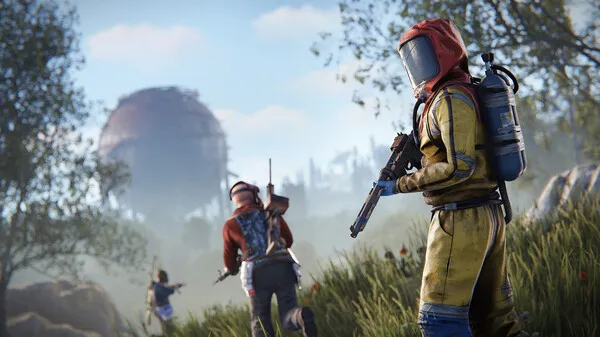
Once you’ve built a Tier 2 workbench, you can craft firearms like the revolver, semi-automatic rifle, and pump shotgun. These weapons give you a huge advantage in PvP and monument control.
Pair your weapons with metal armor and meds. Syringes and bandages are essential for healing during fights. Practice recoil control and aim training to improve your combat skills.
Essential Mid-Game Gear
- Semi-Automatic Rifle
- Roadsign Armor Set
- Medical Syringes
7. Raiding Basics: How to Start and What to Target
Raiding is a core part of Rust’s gameplay. Start with soft raids using tools like satchels or bean can grenades. Target small bases with weak defenses and look for signs of loot inside (e.g., furnaces, large boxes).
Plan your raid during off-peak hours to avoid counter-raiders. Bring extra gear and meds, and scout the base beforehand. Use ladders or building tricks to bypass traps and turrets.
Beginner Raid Loadout
- 4–6 Satchel Charges
- Pickaxe and ladder
- Extra gear and meds
8. Defending Your Base from Raids
As you grow, your base becomes a target. Upgrade to armored doors, honeycomb walls, and external TCs. Use traps, turrets, and shotgun traps to deter raiders. Hide loot in multiple rooms to reduce losses.
Log out in a secure bunker or hidden loot room. Use Discord bots or cameras to monitor activity. Consider joining a clan or forming alliances for mutual defense.
Defensive Upgrades
- Armored doors and metal walls
- Turrets with ammo and power
- Hidden loot stashes
9. Endgame Goals: Helicopters, Rockets, and Control
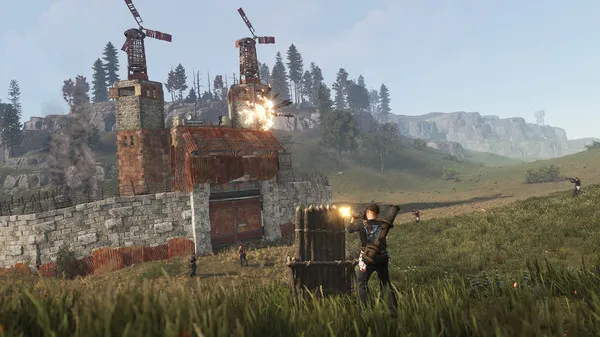
Endgame Rust is about dominance. Craft rockets, C4, and high-tier weapons like the AK-47. Control monuments, roam with teammates, and raid large bases. Use minicopters and scrap helicopters for mobility and aerial raids.
Maintain multiple bases and loot stashes. Use SAM sites to defend against air raids. Coordinate with teammates to control the server and intimidate rivals.
Endgame Arsenal
- AK-47 and LR-300
- Rocket Launcher and C4
- Scrap Helicopter
10. Playing Smart: Psychology, Alliances, and Server Politics
Rust isn’t just about mechanics—it’s about psychology. Intimidation, deception, and diplomacy play huge roles. Use signs, chat, and emotes to bluff strength or lure enemies.
Form alliances with nearby players or clans. Trade resources, share intel, and coordinate raids. Understand server politics—who’s dominant, who’s vulnerable, and who’s worth trusting.
Psychological Tactics
- Fake base designs to mislead raiders
- Use signs to warn or bluff
- Negotiate truces or trade deals
Conclusion Rust is a game of chaos, strategy, and survival. From your first rock swing to launching rockets at enemy compounds, every moment is a test of wit and grit. By following this guide, you’ll not only survive—you’ll thrive. Whether you’re solo or in a clan, the path to dominance is paved with smart choices, bold moves, and relentless adaptation. Welcome to Rust