




Introduction
When it comes to the global gaming industry, few regions have had as much influence as Korea and Japan. These two countries are not only home to some of the biggest gaming franchises in the world but also trendsetters that define how games are played and enjoyed across the globe. From competitive esports titles in Korea to story-driven masterpieces from Japan, their impact reaches every gamer, regardless of platform or genre.
In this article, we’ll explore Korea and Japan’s favorite games, why they resonate so strongly with players, and the secret behind their worldwide success.
Korea’s Gaming Legacy – MMOs and Esports Domination
Korea is often called the birthplace of modern esports. Long before the rest of the world caught on, Koreans were already gathering in PC bangs (internet cafes) to compete in StarCraft, a game that became a national obsession.
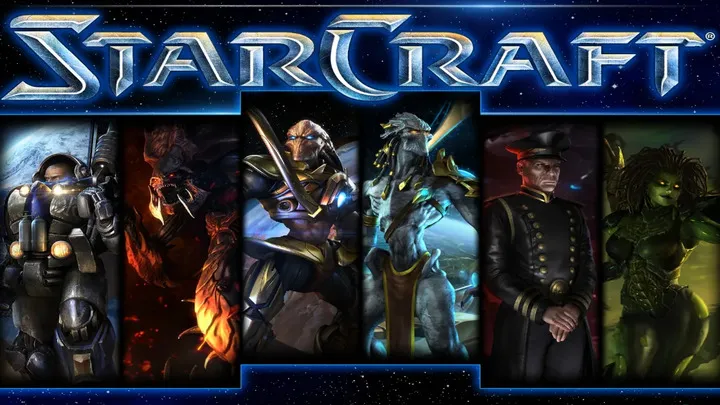
- StarCraft & StarCraft II – These strategy games defined Korea’s competitive scene, creating professional players who became celebrities.
- League of Legends – Korea remains the world’s strongest region in LoL esports, with teams like T1 and Gen.G dominating global championships.
- MapleStory & Lost Ark – Korea is also known for its love of MMORPGs. These games combine social interaction with challenging quests, appealing to both casual and hardcore players.
Why Korea’s games succeed globally:
- Heavy focus on competitive gameplay.
- Strong community culture around PC bangs and esports.
- Continuous updates and live-service models that keep players engaged.
Japan’s Gaming Influence – Storytelling and Iconic Characters
Japan, on the other hand, has built its global reputation on creativity and storytelling. From the golden age of console gaming to modern blockbusters, Japanese games are known for blending unique gameplay mechanics with unforgettable characters.

- Final Fantasy & Dragon Quest – Legendary JRPG series that defined the genre worldwide.
- Pokémon – A cultural phenomenon that transcends games, TV, and merchandise.
- Monster Hunter – A cooperative action series beloved in both Japan and abroad.
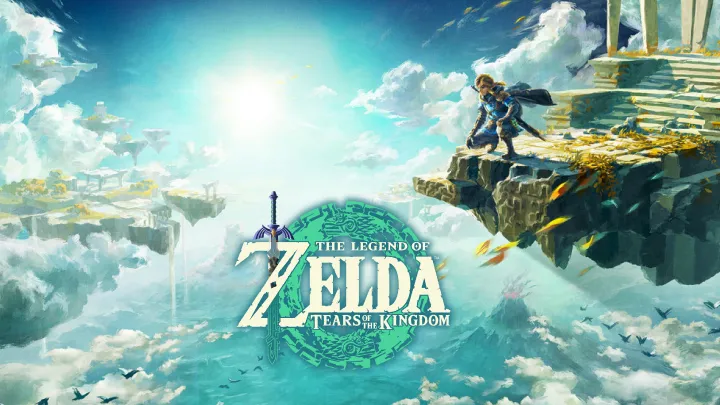
- Persona & Zelda – Games that merge emotional storytelling with groundbreaking mechanics.
Why Japan’s games succeed globally:
- Deep focus on narrative and character development.
- A balance of traditional gameplay with innovative twists.
- Strong global branding that appeals to both casual and hardcore gamers.
The Secret Behind Their Global Success
So what makes Korean and Japanese games stand out worldwide? The answer lies in cultural uniqueness mixed with universal appeal.
- Korea exports competition. Its games are fast-paced, skill-based, and community-driven—perfect for the esports stage.
- Japan exports creativity. Its titles offer emotional depth, unforgettable characters, and immersive worlds that keep players invested for decades.
Together, they shape the global gaming landscape—Korea pushing esports into the mainstream and Japan ensuring that games remain powerful tools for storytelling.
Conclusion
From the PC bangs of Seoul to the arcades of Tokyo, Korea and Japan continue to inspire and dominate the gaming industry. Their favorite games reflect their cultural identities—competitive spirit in Korea and creative storytelling in Japan. Yet what unites them is their ability to create games that go beyond borders, shaping how the world plays and experiences interactive entertainment.