

League of Legends (LoL) remains one of the most influential online games in the world. Since its release in 2009, it has dominated the multiplayer online battle arena (MOBA) genre, defined esports culture, and influenced millions of players globally. Now, in 2025, Riot Games has shown once again that LoL is not just surviving but evolving. Through a series of groundbreaking updates, the game continues to innovate while respecting its roots.
This feature takes a comprehensive look at the major developments of League of Legends in 2025, examining new champions, gameplay systems, esports evolution, and community engagement. With a global audience in the hundreds of millions, the stakes for Riot Games have never been higher.
1. The State of League of Legends Entering 2025
At the start of 2025, League of Legends had just celebrated its fifteenth anniversary. Riot Games emphasized its long-term commitment to the game through new visual upgrades, gameplay systems, and cross-media projects such as Arcane Season 2.
The community was buzzing with excitement over Riot’s promises to address longstanding concerns, including balance issues, toxicity, and accessibility. Early patches set the tone by focusing on game health: matchmaking adjustments, bug fixes, and improvements to client stability. This foundation prepared LoL for one of its most ambitious years yet.
2. Champion Releases and Major Reworks
Champions are the lifeblood of League of Legends, and 2025 saw the release of two brand-new champions alongside several large-scale reworks.
- Kaelen, the Blade Dancer introduced rhythm-based combos, rewarding precise timing with devastating burst potential.
- Myra, the Rift Shaman redefined support play by manipulating terrain and vision, shifting how teams approach objectives.
Meanwhile, reworks revitalized older champions like Shyvana, Corki, and Zyra. These updates brought fresh mechanics and visual overhauls, ensuring that classic picks stayed relevant in modern metas. The changes also reinvigorated professional play, with reworked champions appearing in drafts across major leagues.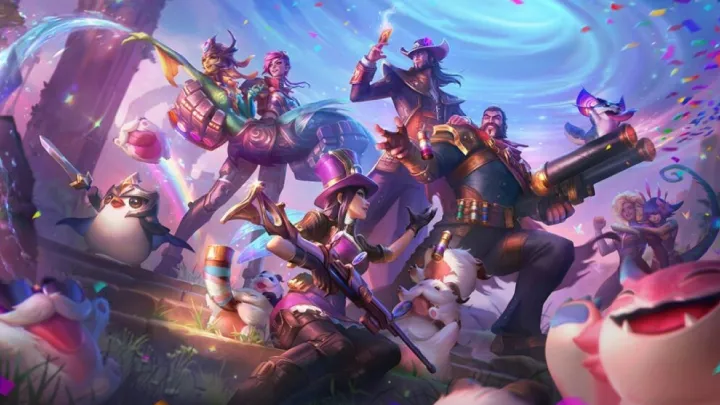
3. Item System Overhaul
One of the most impactful updates of 2025 was the item system overhaul. Riot simplified mythic item choices, introduced new situational items, and adjusted the support economy. The goal was to create healthier diversity in builds and reduce item redundancy.
- Tanks gained more reactive itemization against damage-over-time effects.
- Mages received new mana-scaling options that reward skillful positioning.
- ADCs benefited from critical strike tuning, making late-game carries more reliable.
This overhaul significantly changed gameplay pacing and forced players to rethink strategies.
4. Ranked Play and Meta Evolution
The ranked meta in 2025 reflected the constant tug-of-war between Riot’s design philosophy and player adaptation. With new champions, items, and balance updates, the game saw:
- Top Lane Variety: Tanks and duelists found balance, creating a healthier matchup ecosystem.
- Jungle Shifts: Farming junglers like Shyvana and Karthus rose in popularity after XP and gold changes.
- Bot Lane Experimentation: Mage supports paired with nontraditional ADCs, shaking up the duo dynamic.
The adaptability of the meta reinforced LoL’s reputation as a game that rewards innovation.
5. Esports in 2025: A Global Spectacle
League of Legends esports reached new heights in 2025. Riot expanded its tournament ecosystem with the Rift Cup, a new mid-season global tournament that complemented the Mid-Season Invitational (MSI).
Regional leagues also saw significant changes:
- LCS (North America) implemented a new playoff format and doubled down on talent development.
- LEC (Europe) produced rising stars who quickly gained international recognition.
- LCK (Korea) and LPL (China) maintained dominance, though other regions began closing the gap.
The 2025 World Championship was announced as the largest in history, with multiple stadium venues and global broadcasting partnerships.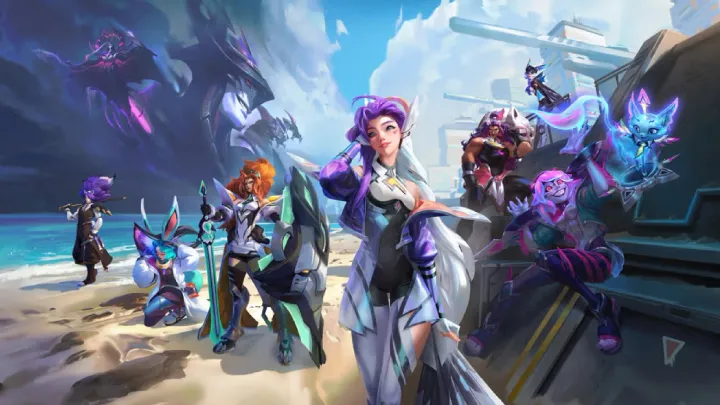
6. Visual and Technical Upgrades
League of Legends has often been criticized for its aging client and graphics. In 2025, Riot rolled out major improvements:
- High-definition champion models with upgraded textures and animations
- Dynamic lighting and shadows to modernize the Rift’s look
- Client optimizations that reduced load times and crashes
For competitive players, Riot introduced better frame rate stability, enhanced latency detection, and expanded support for mid-range PCs. These changes improved accessibility while maintaining high performance standards.
7. New Game Modes and Rotating Events
Riot expanded beyond Summoner’s Rift with fresh rotating game modes in 2025.
- Runeterra Clash introduced lore-driven objectives across multiple maps.
- Chrono Rift accelerated match pacing, forcing players into rapid decision-making.
- Ultimate URF Plus offered chaotic fun with new rulesets.
These events not only entertained casual audiences but also acted as testing grounds for mechanics that could later influence ranked play.
8. Player Behavior and Community Management
Toxicity has long been a challenge for League of Legends. In 2025, Riot doubled down on behavioral systems. They introduced:
- Real-time voice chat moderation to detect and flag abusive behavior
- Reward programs that celebrated consistent positive behavior
- Transparent ban reports that showed how toxic players were penalized
These systems received mixed reactions but overall helped foster a healthier community.
9. Cross-Media Expansion and Cultural Impact
The success of Arcane Season 2 on streaming platforms in late 2024 carried into 2025. Riot released in-game events tied to the show’s narrative, expanding the Runeterra universe while blending storytelling with gameplay.
Collaborations with music artists, fashion brands, and global sporting events continued to elevate LoL’s cultural presence. Esports arenas filled with not just fans of the game, but mainstream audiences intrigued by its cross-media storytelling.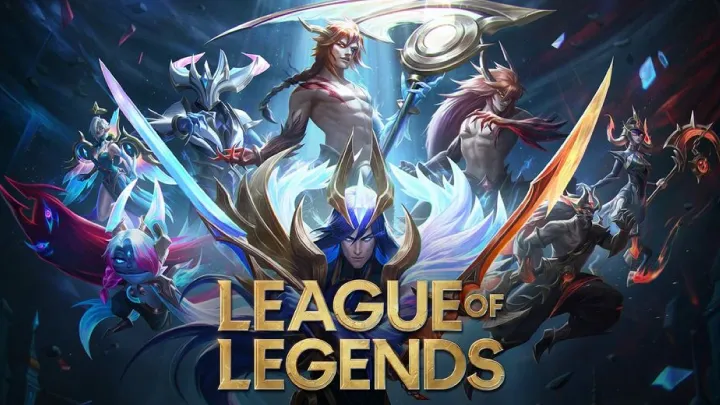
10. The Road Ahead for League of Legends
Looking toward the end of 2025, Riot has already teased more ambitious updates:
- Additional champion reworks aimed at modernizing decade-old kits
- Expansion of the Clash tournament system into cross-server formats
- A potential overhaul of Summoner Spells to freshen up core gameplay mechanics
These plans indicate Riot’s intent to keep League of Legends relevant for another decade. The balance between tradition and innovation remains delicate, but Riot’s track record suggests they are prepared to manage it.
Conclusion
In 2025, League of Legends remains at the forefront of online gaming. With champion reworks, item overhauls, esports growth, visual upgrades, and community systems, Riot Games has proven that LoL is not just surviving but thriving. The game continues to evolve without losing the spirit that made it iconic.
For players old and new, 2025 marks a defining chapter in the League’s history. It is a reminder that no matter how much the industry changes, League of Legends adapts, reinvents itself, and maintains its status as one of the greatest competitive games ever made.