LEGO® Batman™: Legacy of the Dark Knight is a celebration of the Caped Crusader’s storied history, blending decades of comic book lore with the signature charm of LEGO games. But beneath its colorful exterior lies a creative tension: how do you honor Batman’s dark, brooding legacy while maintaining the lighthearted, family-friendly tone that defines LEGO titles? This article explores that tonal balancing act—its successes, its missteps, and its implications for storytelling, gameplay, and fan reception.
1. The Dual Identity of Batman: A Tonal Tightrope
Batman has always walked a line between detective noir and superhero spectacle. From the grim realism of Frank Miller’s “The Dark Knight Returns” to the campy antics of the 1960s TV show, his tone has shifted dramatically across eras.
LEGO games, by contrast, are built on humor, exaggeration, and accessibility. Merging these two worlds—one steeped in trauma and vengeance, the other in slapstick and satire—requires careful calibration. Legacy of the Dark Knight attempts this by segmenting its narrative into distinct eras, each with its own tonal palette.
2. Golden Age Gotham: Where Humor Meets Pulp
The game’s opening chapter revisits Batman’s earliest adventures in a sepia-toned Gotham filled with mobsters and crooked politicians. Here, LEGO’s humor works well—exaggerated facial expressions, banana peels in alleyways, and exploding pies soften the noir aesthetic.
However, some players felt the comedic overlay diluted the stakes. The tension of solving crimes and confronting corruption was often undercut by visual gags and pun-heavy dialogue. While charming, it raised questions about whether LEGO’s tone could truly support a serious detective story.
Golden Age Highlights
- Mob boss chase with exploding cannoli
- Riddle-solving with oversized magnifying glasses
- Alfred’s sarcastic commentary on trench coats
3. Silver Age Showdowns: Embracing the Absurd
The Silver Age segment leans fully into camp, drawing inspiration from the 1960s Batman TV series. Villains like Egghead and King Tut return with exaggerated gadgets and flamboyant costumes. LEGO’s tone thrives here, matching the era’s inherent silliness.
This chapter is widely praised for its tonal alignment. The humor feels authentic, not imposed. Players swing across giant typewriters, battle with bubble guns, and solve puzzles involving oversized props. It’s a masterclass in tonal harmony.
Silver Age Successes
- Bubble gun boss fight with Egghead
- Puzzle room inside a giant jukebox
- Dance-off minigame with Batgirl
4. The Dark Knight Era: A Clash of Mood and Mechanics
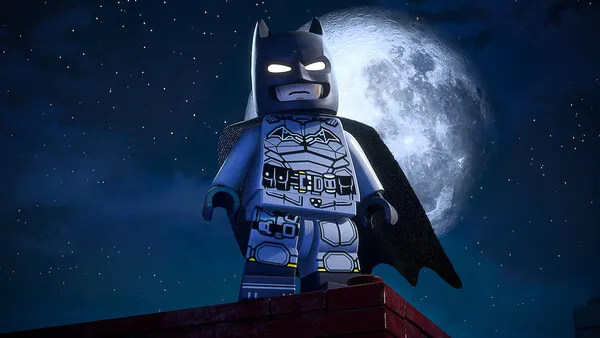
Inspired by the gritty realism of the 1980s and 2000s Batman comics and films, this chapter introduces Scarecrow, Bane, and Ra’s al Ghul. The environments are rain-soaked, the music ominous, and the stakes higher.
Here, LEGO’s humor begins to feel intrusive. Scarecrow’s fear toxin hallucinations are rendered as carnival rides, and Bane’s venom overdose triggers a dance sequence. While inventive, these moments clash with the intended emotional weight.
Tonal Disruptions
- Fear toxin hallucinations as clown parades
- Bane’s rage turned into a conga line
- Ra’s al Ghul’s Lazarus Pit as a bubble bath
5. Future Gotham: Neon, Tech, and Emotional Disconnect
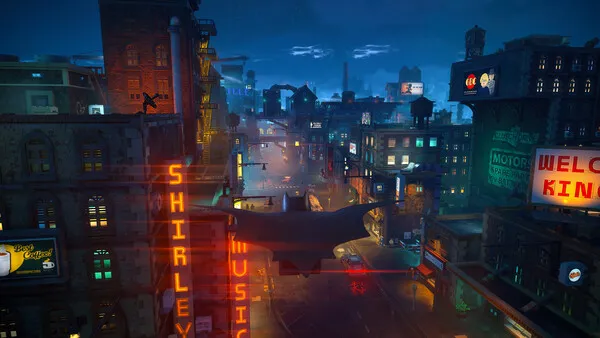
The Batman Beyond-inspired chapter introduces Terry McGinnis and a cyberpunk Gotham. The visuals are stunning—neon skylines, holographic enemies, and high-tech gadgets. But the tone struggles to keep up.
LEGO’s humor here feels dated against the futuristic backdrop. Jokes about floppy disks and dial-up modems don’t resonate with the sleek aesthetic. Terry’s emotional arc—living in Bruce’s shadow—is barely explored, lost in a sea of visual gags.
Missed Opportunities
- Terry’s identity crisis reduced to costume jokes
- Hologram villains with pun-based names
- Bruce Wayne’s AI as a stand-up comedian
6. Villain Portrayals: From Menacing to Muddled
Villains are central to Batman’s mythos, and Legacy of the Dark Knight features a robust roster. But their portrayal often leans too far into caricature. Joker’s chaos becomes slapstick, and Two-Face’s duality is reduced to coin-flipping jokes.
While some villains benefit from this treatment—Riddler’s puzzles are genuinely clever—others lose their edge. The game struggles to balance menace with mirth, especially in boss battles where tension is replaced by comedy.
Villain Tone Breakdown
- Joker: Slapstick over psychosis
- Two-Face: Coin jokes over moral conflict
- Scarecrow: Carnival horror over psychological fear
7. Emotional Arcs: Lost in Laughter
Batman’s story is one of trauma, resilience, and redemption. Legacy of the Dark Knight attempts to explore these themes—Bruce’s loss, his mentorship of Robin, and his strained relationships with allies.
Unfortunately, emotional beats are often drowned out by humor. A flashback to Bruce’s parents is interrupted by a LEGO squirrel throwing acorns. Robin’s frustration with Batman becomes a pie fight. These moments undermine the narrative’s emotional depth.
Emotional Moments Undermined
- Bruce’s grief turned into slapstick
- Robin’s rebellion reduced to food fights
- Batgirl’s courage overshadowed by costume jokes
8. Gameplay Mechanics and Tone Integration
Gameplay in LEGO titles is built around puzzles, combat, and exploration. Legacy of the Dark Knight introduces new mechanics—Detective Mode, stealth takedowns, and vehicle missions. These are well-designed but often tonally inconsistent.
Detective Mode, for example, is visually impressive but filled with joke clues (e.g., “Who stole the Bat-Snacks?”). Stealth missions are interrupted by loud gags. The mechanics are solid, but their execution sometimes clashes with the intended mood.
Mechanics vs. Mood
- Detective Mode clues as punchlines
- Stealth missions with noisy distractions
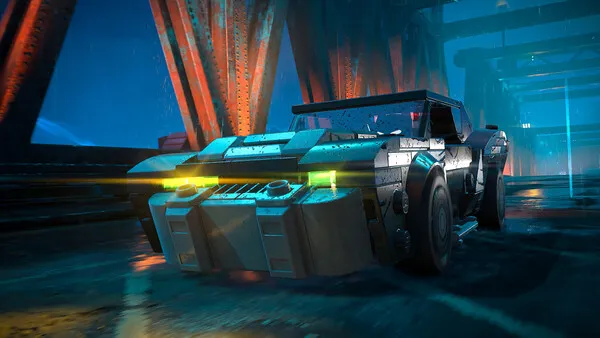
- Vehicle chases with cartoon sound effects
9. Voice Acting and Dialogue: A Mixed Bag
The voice cast includes legends like Kevin Conroy and Troy Baker, delivering strong performances. But the script often leans too heavily on humor, limiting their emotional range.
Kevin Conroy’s Batman delivers lines with gravitas, only to be followed by a pun from Alfred or a joke from Robin. The tonal whiplash is real—moments of tension are quickly deflated by comedic timing that feels out of place.
Dialogue Dynamics
- Serious lines undercut by jokes
- Villain monologues interrupted by gags
- Emotional scenes diluted by one-liners
10. Fan Reception and the Future of LEGO Batman
Fans are divided. Some love the humor and accessibility, praising the game for introducing Batman to younger audiences. Others feel the tone undermines the legacy of the character, especially in darker chapters.
The debate raises important questions: Can LEGO games tackle serious themes without losing their identity? Should future titles segment tone more clearly or embrace a hybrid approach? Legacy of the Dark Knight is a bold experiment—but one that reveals the challenges of tonal fusion.
Community Feedback
- Praise for Silver Age authenticity
- Criticism of Dark Knight chapter tone
- Requests for deeper emotional storytelling
Conclusion LEGO® Batman™: Legacy of the Dark Knight is a vibrant, ambitious tribute to Gotham’s greatest hero. But its tonal balancing act—between LEGO’s signature humor and Batman’s darker legacy—reveals a creative tension that affects narrative, gameplay, and emotional resonance. While the game succeeds in many areas, it also highlights the difficulty of merging two distinct storytelling traditions. As LEGO continues to explore iconic franchises, the lessons from this title will shape how humor and depth coexist in future adventures