
Introduction
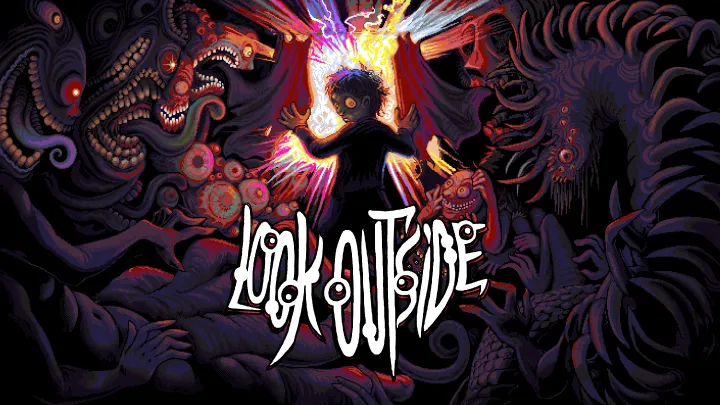
Look Outside is not a game about fast-paced action or flashy mechanics. Instead, it is a psychological horror built around anticipation, stillness, and the unknown. Unlike many titles that rely on constant jump scares or elaborate monster designs, Look Outside places players in a situation where they are never entirely sure what is real, what is imagined, and what might happen if they dare to break the rules. The specific issue we will examine in this article is uncertainty, a concept that dominates the entire structure of Look Outside. Through design choices, pacing, and narrative delivery, uncertainty transforms the player’s experience into a slow-burning tension that can be more frightening than overt danger.
First Glimpse of the Window
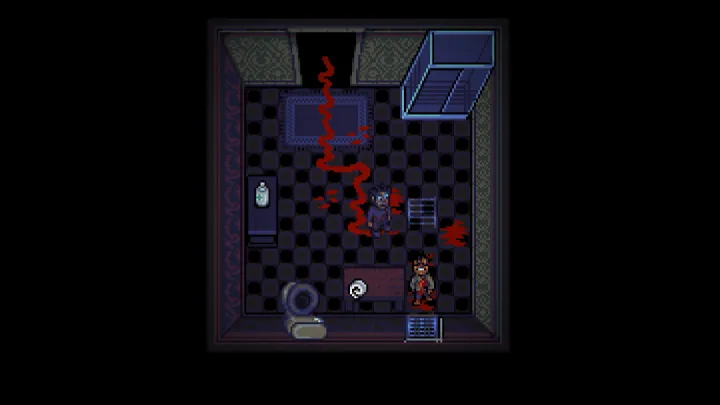
The defining mechanic of Look Outside is deceptively simple: the act of looking through or away from a window. In the early stages, the game introduces the window as part of the environment, without signaling its role as a central psychological tool.
The window is framed with silence, allowing players to project their fears into it. What might be waiting outside? What if looking too long brings something closer? The lack of immediate payoff makes the window terrifying because the brain begins to invent possibilities.
The Power of Waiting
In most horror games, something eventually jumps out to relieve tension. Look Outside thrives on withholding. Hours of waiting with nothing happening are not wasted—they are crucial.
By delaying payoff, the developers force players to experience dread as a state of being, not just a temporary spike of fear. The longer nothing happens, the more convinced players become that something must happen soon. This is the psychological trap of uncertainty.
The Role of Minimal Sound Design
The audio in Look Outside is sparse, consisting mostly of environmental tones. At first, these seem harmless: wind, faint creaks, or distant rustling. But when combined with long stretches of silence, every sound becomes suspicious.
Subtle Auditory Tricks
- A creak might suggest movement upstairs.
- A faint tap could be mistaken for knocking on the window.
- Wind sounds shift ever so slightly, hinting at a presence outside.
These details play into uncertainty by never confirming what is real.
Player Behavior Under Uncertainty
When faced with ambiguity, players develop patterns to cope. Some stare at the window constantly, hoping to catch something before it happens. Others avoid it entirely, fearing what they might see.
These coping strategies are interesting because they are not enforced by the game. They emerge naturally from the uncertainty the game builds. In this way, Look Outside becomes as much about observing the player’s psychology as it is about scaring them.
The Midgame Spiral of Doubt
Around the midgame, players begin to doubt themselves. Did they really see a shadow move, or was it imagination? Was that sound from the game, or from their real-world environment?
This blending of in-game uncertainty with real-world perception makes Look Outside particularly powerful. Players often remove their headphones or pause the game just to verify their surroundings. The line between fiction and reality becomes unstable, which deepens the core issue of uncertainty.
Narrative Fragments and Unanswered Questions
Look Outside never delivers a straightforward narrative. Instead, it provides fragments—scribbled notes, distorted audio logs, and broken dialogue. These do not resolve into clear answers but rather generate more questions.
Effects of Narrative Uncertainty
- Players speculate endlessly about the meaning of the fragments.
- Theories form and collapse as no definitive explanation is provided.
- The lack of clarity ensures uncertainty lingers even after gameplay ends.
Endgame Pressure and the Choice to Look
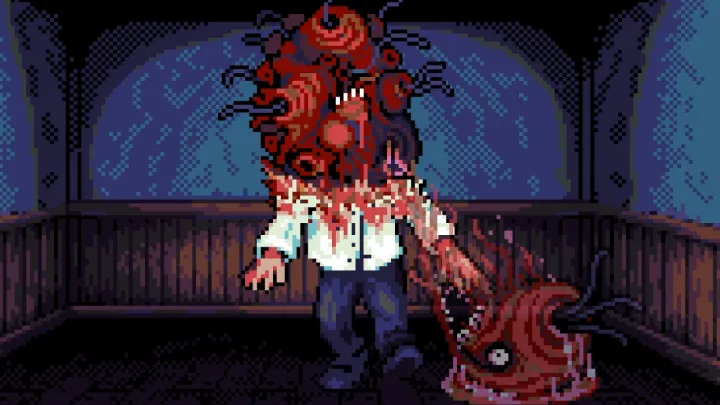
In the final hours, the game forces players into situations where they must choose whether to look outside or avoid it. These moments feel climactic not because of flashy events, but because of the weight of uncertainty built over hours.
If players look, they might see nothing—or something that confirms their worst fears. If they avoid looking, they never truly know what was there. Either choice leaves them unsettled, proving that uncertainty, not resolution, is the true ending.
Comparisons with Other Horror Games
Look Outside stands apart from titles like Resident Evil or Outlast, which thrive on confrontation and chase sequences. Instead, it shares DNA with minimalist horror such as Amnesia: The Dark Descent or Silent Hill P.T., where uncertainty and anticipation overshadow actual combat.
This design proves that horror can thrive without monsters if the player’s imagination does the heavy lifting. Look Outside weaponizes uncertainty more effectively than most modern horror games.
Emotional Residue After Playing
Many players report that Look Outside stays with them long after they finish. They find themselves checking real-life windows, avoiding certain sounds, or recalling feelings of dread when seeing an empty landscape.
This lingering effect proves that uncertainty is more powerful than scripted scares. Once planted, it grows in the player’s mind, reshaping how they experience silence and stillness outside the game.
Lessons Beyond Gaming
The effectiveness of uncertainty in Look Outside extends beyond entertainment. It mirrors real-life psychological responses to ambiguous threats—whether waiting for test results, uncertain news, or unexplained events. Humans often find uncertainty more stressful than confirmed danger, and the game provides an interactive exploration of this truth.
Conclusion
Look Outside is not a game about monsters, weapons, or survival mechanics. It is a meditation on uncertainty, crafted to unsettle the mind through silence, suggestion, and ambiguity. By never providing full answers and always keeping players unsure, it demonstrates how uncertainty can be more terrifying than violence or gore. The game becomes not just an experience but a lasting reminder that the most frightening thing is often what we cannot confirm.