



Introduction
Valorant Mobile takes Riot Games’ competitive shooter into handheld form, bringing tactical gunplay and strategic team battles to touchscreen devices. While the game keeps its iconic agent abilities and map-based strategies, one major issue sets it apart from PC: the challenge of precise aiming and control on mobile. Unlike PC players who rely on mouse precision, mobile users must adapt to touchscreen mechanics, auto-aim assist, and sensitivity settings. This creates a unique learning curve where accuracy can determine victory or defeat.
In this article, we’ll explore the core challenge of aiming in Valorant Mobile, provide strategies for mastering control, and examine how different settings, devices, and habits impact performance.
1. Understanding Aim Challenges in Valorant Mobile
Valorant Mobile faces a fundamental difficulty: replicating precise PC gunplay on touchscreens. Finger swipes lack the micro-adjustments of a mouse, leading to overshooting or sluggish tracking.
Players often struggle with headshots, recoil management, and tracking fast-moving targets. Riot has implemented aim assist to balance this, but it creates controversy—some argue it reduces skill expression, while others see it as necessary for fairness.
Ultimately, the transition from PC to mobile transforms aiming into a skill requiring not only reflexes but also deep familiarity with control schemes.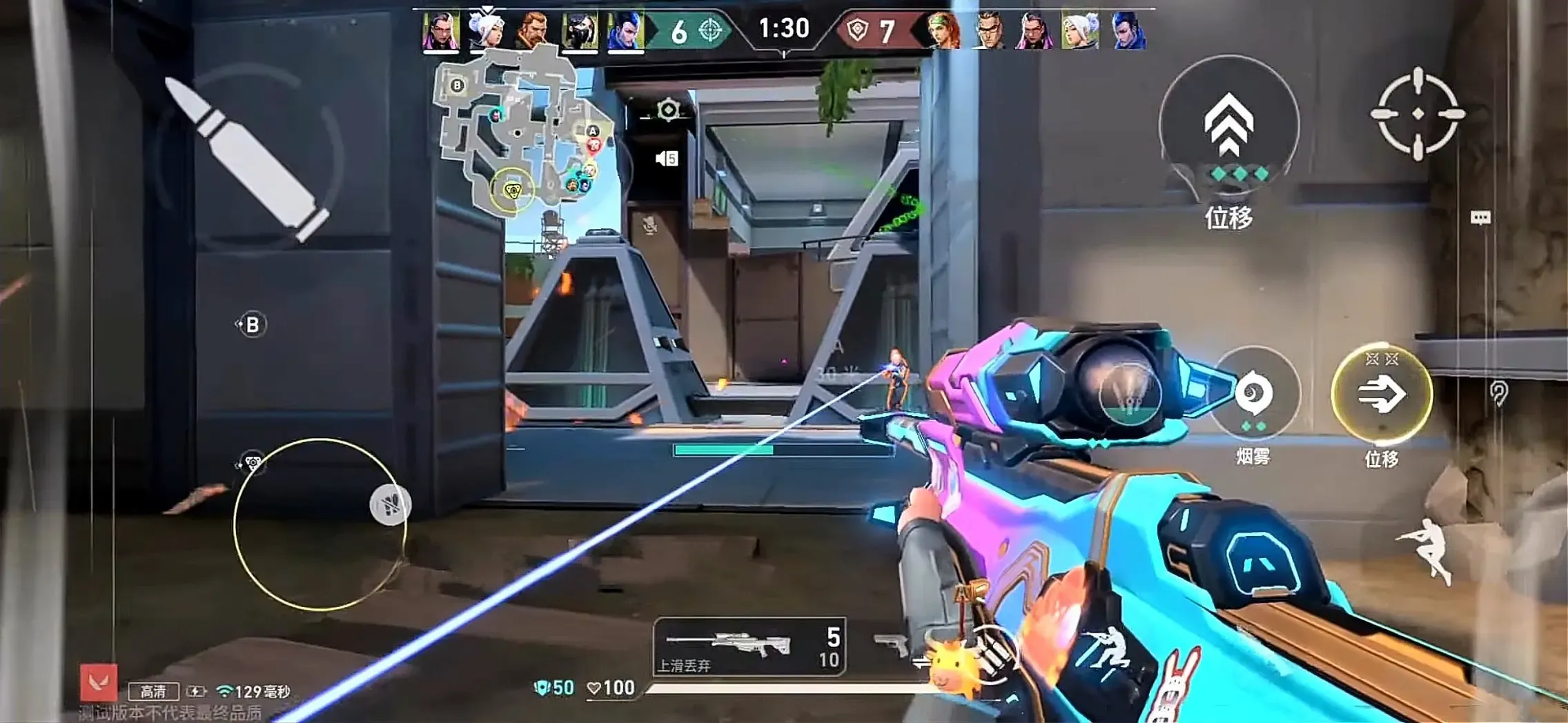
2. Sensitivity Settings: Finding Your Sweet Spot
One of the most important steps to improving aim is customizing sensitivity. High sensitivity allows quick turns but sacrifices accuracy, while low sensitivity improves precision but slows reaction speed.
Players should test different settings in the training range until they find a balance that fits their playstyle. A recommended approach is starting with medium sensitivity, then adjusting gradually rather than making drastic changes.
Consistency is key—changing sensitivity too often prevents muscle memory from developing.
3. The Role of Aim Assist in Valorant Mobile
Aim assist sparks debate, but it’s undeniably part of Valorant Mobile’s design. The system subtly corrects shots when crosshairs are close to enemies, helping players land hits they might otherwise miss.
However, over-reliance on aim assist can create bad habits, such as sloppy crosshair placement. Skilled players use it as a safety net rather than a crutch, maintaining accuracy through deliberate aiming while letting the system fine-tune shots.
Learning how aim assist feels in different situations helps players anticipate its limits.
4. Crosshair Placement and Pre-Aiming
Just like on PC, crosshair placement is crucial in Valorant Mobile. Keeping the crosshair at head level and aimed toward likely enemy positions reduces the amount of adjustment needed when opponents appear.
Pre-aiming—moving the crosshair in advance to where enemies are expected—compensates for slower touch inputs. This minimizes reaction time and increases the chance of landing first shots.
Practicing on maps and memorizing common peek spots builds strong pre-aiming habits.
5. Recoil Control and Weapon Mastery
Each weapon in Valorant Mobile has distinct recoil patterns, and mastering them separates average players from sharpshooters. Touch controls make this harder, but learning to drag your finger steadily to counter recoil can restore accuracy.
Rifles like the Vandal and Phantom require careful recoil control, while SMGs like the Spectre are more forgiving. Shotguns, meanwhile, demand close-range positioning rather than precision.
Choosing weapons that fit your comfort level with recoil can significantly improve performance.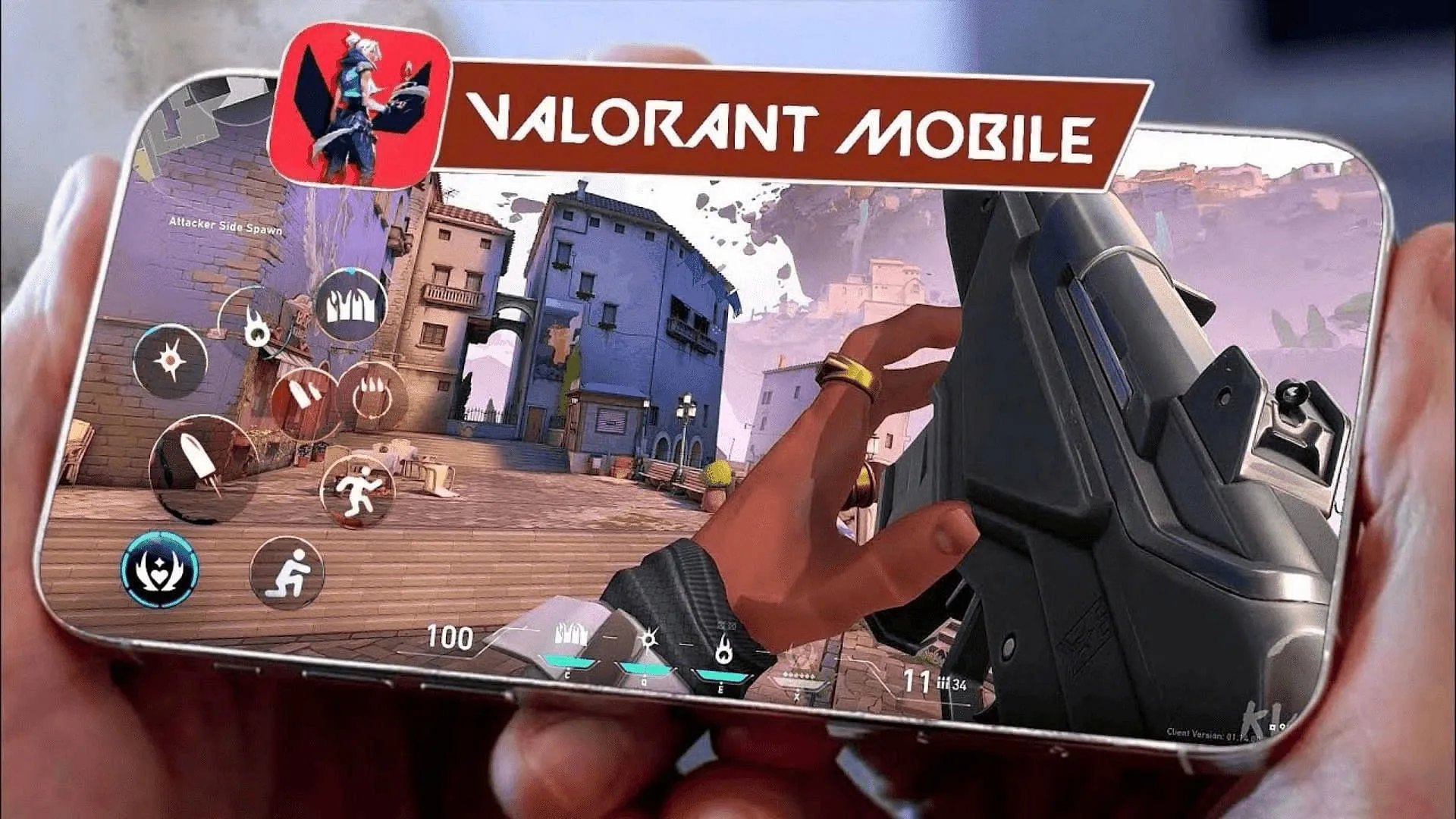
6. Device Performance and Its Impact on Aim
Not all devices handle Valorant Mobile equally. Frame rate, screen size, and touch sensitivity directly affect aiming precision. A higher refresh rate screen (90Hz or 120Hz) makes aiming smoother, while input lag on weaker devices disrupts accuracy.
Players should optimize performance by closing background apps, enabling performance mode, and adjusting graphics settings for stable FPS.
For serious players, using a device with a larger screen offers more control over fine movements.
7. Training Drills for Aim Improvement
Improving aim isn’t just about playing matches—it requires structured practice. Valorant Mobile’s training range offers multiple drills:
- Tracking Practice: Follow moving targets to refine finger stability.
- Flick Shots: Quickly snap to targets to simulate enemy peeks.
- Burst Control: Fire in controlled bursts to manage recoil.
Spending 10–15 minutes per session in training can gradually improve aim consistency.
8. The Mental Side of Aiming
Accuracy is not only mechanical but also psychological. Stress, panic, and overthinking reduce precision in clutch moments.
Maintaining calm under pressure helps steady hand movements. Techniques like deep breathing before rounds or focusing on crosshair placement instead of panicking improve consistency.
Confidence builds with practice, turning aim into instinct rather than conscious effort.
9. Teamplay and Aim Support
Valorant Mobile isn’t just about solo aim—it’s a team game. Proper use of agent abilities like smokes, flashes, and slows can make aiming easier by reducing enemy movement or forcing predictable paths.
Coordinating with teammates ensures you’re not always relying on raw precision. For example, a well-placed flash can give you the time needed to line up shots, while smokes can control engagements to your advantage.
Great aim is amplified when supported by strong team utility.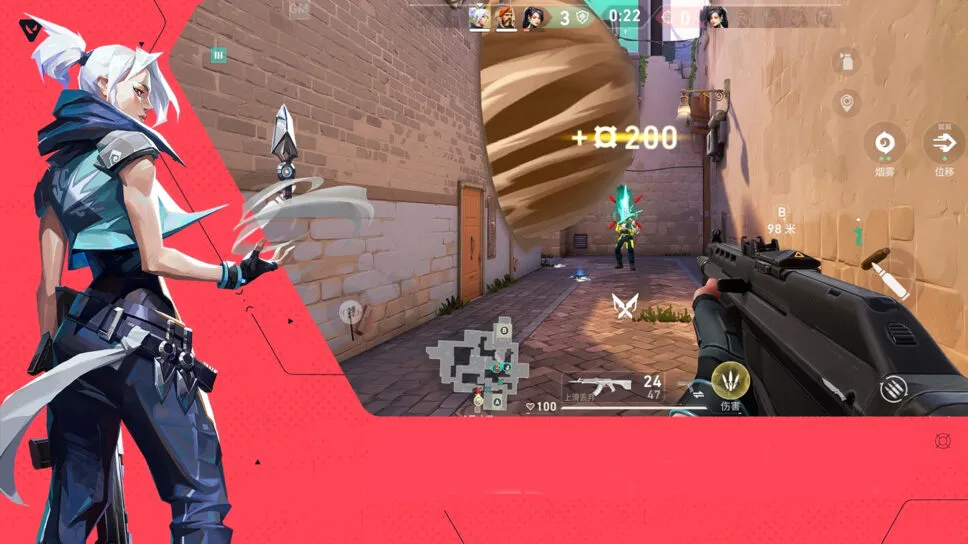
10. The Future of Aiming in Valorant Mobile
As Riot continues developing Valorant Mobile, expect ongoing tweaks to aim assist, control schemes, and device optimizations. Balancing competitive integrity with accessibility will be a challenge, especially with crossplay debates on the horizon.
Players who master core fundamentals—sensitivity control, crosshair placement, recoil management, and mental resilience—will stay ahead regardless of updates.
Conclusion
Valorant Mobile transforms the tactical shooter experience into a new environment where precision aiming is both the greatest challenge and the key to success. By understanding control mechanics, customizing sensitivity, practicing consistently, and leveraging both device performance and team utility, players can overcome the limitations of touchscreens.
While the game will continue evolving, the fundamentals of aim mastery remain constant. In the end, true skill comes not from reliance on aim assist, but from discipline, practice, and adaptability.