

Minecraft, developed by Mojang Studios, is one of the most popular video games in history, captivating millions of players since its initial release in 2011. Combining elements of creativity, exploration, and survival, Minecraft offers a sandbox experience unlike any other. This guide delves into the various aspects of Minecraft, including its gameplay mechanics, modes, community, educational value, and cultural impact.
The Origins of Minecraft
Minecraft was created by Markus Persson, also known as "Notch," and was initially released as a public alpha in 2009. It quickly gained traction due to its unique concept of building and exploration in a procedurally generated world. After several updates and improvements, the official version of Minecraft was released in November 2011, and it has since grown into a global phenomenon.
Development and Updates
Mojang has continually updated Minecraft, introducing new features, biomes, mobs, and gameplay mechanics. The game's evolution reflects the feedback and creativity of its community, leading to an ever-expanding universe.
Gameplay Mechanics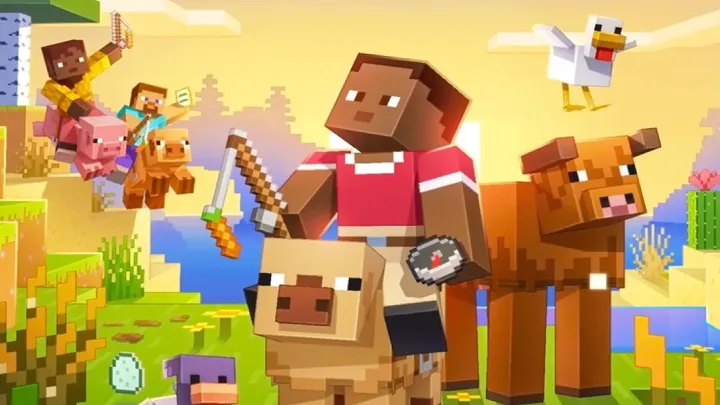
At its core, Minecraft is a sandbox game that allows players to build, explore, and survive in a blocky 3D world. The game is structured around several fundamental mechanics.
Block-Based Building
Minecraft’s world is composed of various blocks, each representing different materials, such as dirt, stone, wood, and ores. Players can mine these blocks, gather resources, and use them to build structures, tools, and other items. The block-based system encourages creativity, allowing players to construct anything from simple homes to complex cities.
Crafting System
Crafting is a central mechanic in Minecraft, enabling players to create tools, weapons, armor, and other items. By combining different materials in a crafting grid, players can produce a wide array of objects, from basic tools to intricate redstone machines. The crafting system encourages experimentation and resource management.
Survival and Health
In Survival mode, players must manage their health and hunger while exploring the world. They face various threats, including hostile mobs (monsters) that spawn at night or in dark areas. Players need to gather food, craft weapons, and build shelters to survive. This aspect of the game adds tension and excitement to the exploration experience.
Exploration and Biomes
Minecraft features a vast, procedurally generated world filled with diverse biomes, such as forests, deserts, mountains, and oceans. Each biome has unique resources, wildlife, and environmental features. Players can explore these biomes, discovering new materials and encountering different mobs.
Redstone and Automation
One of Minecraft's most fascinating features is the redstone system, which allows players to create complex contraptions and automated systems. Redstone acts like electrical wiring, enabling players to build anything from simple switches to intricate machines. This mechanic adds a layer of engineering and creativity to the game.
Game Modes
Minecraft offers several game modes to cater to different play styles and preferences.
Survival Mode
In Survival mode, players must gather resources, craft items, and manage their health while facing various challenges. This mode emphasizes exploration, resource management, and combat. Players can build shelters, farm, and create tools to survive against hostile mobs.
Creative Mode
Creative mode provides players with unlimited resources and the ability to fly, allowing for unrestricted building and exploration. Players can focus on their creativity without the constraints of survival mechanics. This mode is ideal for those who want to design intricate structures or landscapes.
Adventure Mode
Adventure mode is designed for custom maps created by other players. In this mode, players can experience specific challenges and scenarios without the ability to break blocks or place items freely. This mode encourages storytelling and exploration within curated environments.
Spectator Mode
Spectator mode allows players to explore the world without interacting with it. Players can fly around and observe the environment, making it useful for exploring custom maps or viewing gameplay without influencing it.
The Community and Multiplayer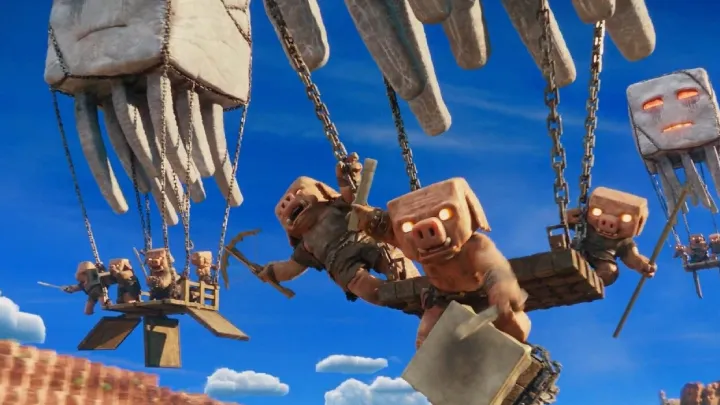
Minecraft has cultivated a vibrant community of players, creators, and modders. This community has contributed significantly to the game's longevity and popularity.
Multiplayer Servers
Players can join multiplayer servers to collaborate or compete with others. These servers often feature unique game modes, mini-games, and custom content. Popular server types include survival servers, creative servers, and minigames, where players can engage in various challenges.
Modding Community
The Minecraft modding community has created countless modifications that enhance the game. Mods can introduce new gameplay mechanics, items, biomes, and even entirely new dimensions. Some popular mods include OptiFine, which enhances graphics and performance, and Biomes O' Plenty, which adds new biomes and environmental features.
Content Creation
Minecraft has inspired a vast array of content creators on platforms like YouTube and Twitch. Players share gameplay, tutorials, building tips, and creative challenges with their audiences. This content has helped foster a sense of community and camaraderie among players.
Educational Value
Minecraft has been recognized for its educational potential, leading to its adoption in classrooms worldwide. Educators have harnessed the game to teach various subjects, including math, science, history, and art.
Creative Problem Solving
Minecraft encourages players to think critically and solve problems creatively. Whether building structures, designing redstone machines, or navigating challenges, players develop essential skills in logic and reasoning.
Collaboration and Teamwork
Multiplayer modes promote collaboration and teamwork, essential skills in both academic and real-world settings. Players learn to communicate effectively, share resources, and work together to achieve common goals.
Digital Literacy
As technology continues to advance, digital literacy becomes increasingly important. Minecraft introduces players to concepts of coding, digital design, and project management, helping prepare them for future careers.
Historical and Cultural Education
Various Minecraft mods and educational maps allow players to explore historical events, cultural landmarks, and scientific concepts. This immersive approach to learning engages students and enhances their understanding of real-world topics.
Cultural Impact
Minecraft's influence extends beyond gaming, impacting popular culture, art, and education.
Merchandise and Collaborations
The popularity of Minecraft has led to an extensive range of merchandise, including toys, clothing, and books. Collaborations with brands like LEGO have further expanded the game's reach, allowing players to experience Minecraft in new ways.
Community Events
Minecraft hosts various community events, such as Minecon, where players gather to celebrate their love for the game. These events feature panels, workshops, and opportunities to connect with fellow fans.
Artistic Expression
Minecraft has inspired countless artists and creators to use the game as a medium for artistic expression. Players have created stunning landscapes, intricate sculptures, and even short films using the game's mechanics.
Conclusion
Minecraft is more than just a game; it is a creative platform that empowers players to explore, build, and collaborate in a vast, blocky universe. Its engaging gameplay, diverse modes, and strong community support have solidified its place in gaming history. As Minecraft continues to evolve with new updates and features, it remains a beloved choice for players of all ages, fostering creativity, critical thinking, and collaboration in an ever-expanding digital world.