





Introduction
Minecraft is not just a game; it’s an endless sandbox of creativity, survival, exploration, and community-driven experiences. Since its release in 2011, it has evolved from a niche indie project into one of the most iconic video games in the world. Millions of players of all ages log in daily to mine, craft, and build their way through infinite blocky worlds.
But Minecraft is not without challenges. Players must learn to survive hostile nights, craft tools, explore dangerous caves, and build imaginative structures while balancing resource management and creativity. Whether you’re a beginner picking up your first wooden pickaxe or an advanced player building complex Redstone contraptions, tips and guides can help you master the game and unlock its limitless potential.
This article will provide a comprehensive guide to Minecraft tips and strategies, arranged in a logical order from beginner basics to advanced mechanics. By the end, you’ll have a clear roadmap to not just survive but thrive in Minecraft.
1.Getting Started: The First Day in Minecraft
Your first day in Minecraft is critical. From the moment you spawn, the sun starts its journey, and within 10 minutes, night will fall, bringing hostile mobs such as zombies, skeletons, and spiders.
The first step is to gather resources. Punching trees for wood is your entry point into the crafting system. With wood, you can craft planks, sticks, and your first crafting table. These basics allow you to create primitive tools like a wooden pickaxe and sword.
Equally important is building a temporary shelter before night. Even a dirt hut can save you from mobs. Torches, crafted from coal and sticks, will provide light to keep monsters away. The first day is all about survival: gather, craft, and protect.
2.Exploring and Mining Essentials
Once you’ve survived the first night, mining becomes your core activity. Minecraft’s name says it all: mining is essential to progression. Digging underground, you’ll encounter stone, coal, iron, and eventually more valuable resources like gold, redstone, diamond, and emeralds.
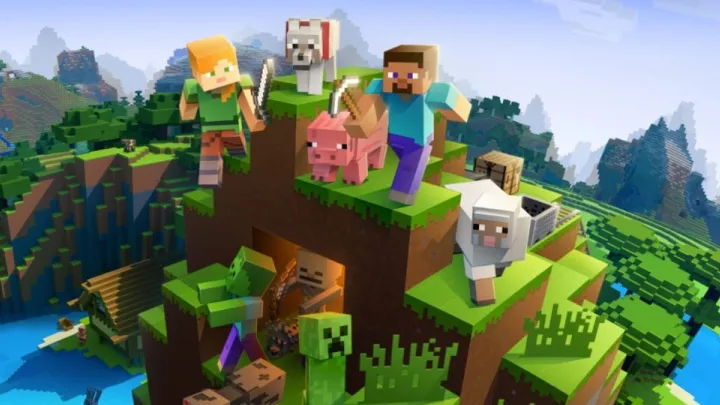
Always carry torches, food, and extra tools when mining. Caves can be dangerous, but they also hold the richest rewards. Iron is a game-changer—allowing stronger tools and armor. Diamonds, found deep underground, unlock some of the strongest gear in the game.
A safe mining strategy is the branch mine, where you dig a main tunnel with smaller side paths to maximize ore discovery while reducing mob encounters. Never dig straight down—you could fall into lava or deep caves unprepared.
3.Crafting and Resource Management
Crafting is at the heart of Minecraft. Beyond basic tools, you’ll need to manage resources carefully to progress. Efficient use of materials ensures you don’t waste rare items like iron or diamonds.
Start by creating a furnace for smelting ores and cooking food. A chest is essential for storage, preventing loss of items upon death. Crafting armor provides much-needed protection against mobs.
Resource management is also about renewable systems. Planting wheat for bread, raising animals, and farming trees help you maintain a sustainable survival system. In later stages, automated farms and Redstone machines can optimize production.
4.Building and Shelter Design
Building in Minecraft is not only practical but also creative. Your shelter protects you from enemies while serving as a canvas for imagination. Early bases may be simple dirt huts or caves, but eventually, you can expand into elaborate houses, castles, or even modern cities.
Good shelter design balances aesthetics with functionality. Include storage rooms, crafting stations, and farms nearby for efficiency. Lighting is crucial to prevent hostile mobs from spawning inside your base.
As you progress, experimenting with building styles—medieval, futuristic, rustic—can make your world feel more alive. Some players even replicate famous landmarks or design redstone-powered fortresses.
5.Surviving the Night and Hostile Mobs
Nighttime in Minecraft introduces hostile mobs like zombies, skeletons, spiders, and the infamous Creeper. Preparation is key to survival. Always carry weapons, armor, and food before venturing out at night.
Combat skills improve with practice. Timing attacks, blocking with shields, and using bows for ranged combat increase your survival chances. Creepers, known for their silent explosions, require caution—attack them quickly or keep them at a safe distance.
Lighting up your base and surrounding area with torches or lanterns prevents mobs from spawning nearby. For advanced defense, you can build walls, iron golem protectors, or automated Redstone traps.
6.Farming, Food, and Sustainability
Food is crucial for maintaining health and stamina. Early on, you may survive on apples, berries, or cooked meat, but sustainable farming is the long-term solution.
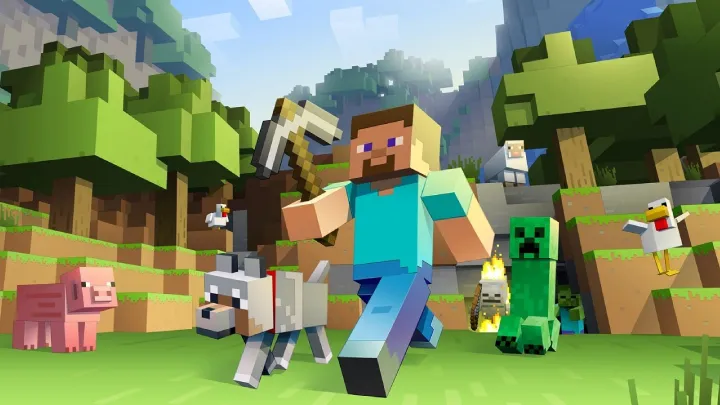
Crop farming begins with wheat, carrots, and potatoes. Using water sources and hoes, you can create large farms. Animal farming—raising cows, pigs, chickens, and sheep—provides both food and resources like leather and wool.
Fishing is another reliable food source, offering not only fish but also rare enchanted items. As you advance, creating automated farms with Redstone can keep you supplied without constant manual labor.
7.Exploration and Adventure
Minecraft’s world is nearly infinite, encouraging exploration and adventure. Biomes like deserts, jungles, and tundras each offer unique resources and challenges. Structures such as villages, temples, and strongholds add excitement to exploration.
Adventuring requires preparation—bring maps, compasses, food, and weapons. Horses and boats can speed up travel. Exploring the Nether and The End unlocks rare materials and challenging enemies, such as the Wither and Ender Dragon.
Exploration is not just about survival—it’s about discovery. Each new biome inspires new building projects and gameplay strategies. The thrill of finding rare loot or stumbling upon a hidden stronghold keeps Minecraft endlessly engaging.
8.Redstone Basics and Advanced Mechanics
Redstone is Minecraft’s version of electricity, allowing complex contraptions and automation. Beginners can start with simple circuits like doors and lights, while advanced players create elaborate machines.
Basic Redstone components include levers, buttons, pressure plates, and pistons. With practice, you can build traps, automated farms, or hidden doors. Redstone torches and repeaters allow longer circuits and timed mechanisms.
Advanced mechanics lead to wonders like elevators, mini-games, or even working computers inside Minecraft. Mastering Redstone transforms your world into an interactive playground of engineering.
9.Multiplayer and Community Experience
Minecraft thrives as a multiplayer experience. Joining servers allows players to collaborate on builds, compete in mini-games, or roleplay in custom worlds. Popular servers like Hypixel and Mineplex have built thriving communities.
Playing with friends adds depth to the game. Together, you can build massive projects, explore dangerous areas, and protect each other from mobs. Cooperative gameplay strengthens survival chances and makes the game more enjoyable.
Community-driven mods and custom maps expand gameplay far beyond the vanilla experience. Whether through building competitions, adventure maps, or roleplay servers, Minecraft’s multiplayer scene is endless.
10.Advanced Survival Strategies
As you gain experience, advanced survival strategies become crucial—especially in hardcore or survival servers.
Hardcore mode raises the stakes: one death ends the game. Strategies here include building safe shelters, avoiding unnecessary risks, and always carrying backup supplies.
Potion brewing adds another survival layer. Using ingredients from the Nether, you can brew potions of strength, healing, fire resistance, and more. Enchanting weapons and armor with an enchanting table makes combat and exploration much easier.

For ultimate survival, learn to balance offense, defense, and mobility. Always be prepared for unexpected dangers, whether a Creeper ambush or a Nether lava lake.
11.Biome-Specific Tips and Tricks
Different biomes require different strategies:
- Deserts: Water is scarce, so prepare food and tools. Watch for husk mobs.
- Jungles: Dense vegetation makes navigation tricky but offers unique resources like cocoa beans and ocelots.
- Oceans: Boats and underwater breathing potions are essential. Ocean monuments hold powerful treasures guarded by guardians.
- Mountains: Higher elevations provide spectacular views but can be dangerous with steep falls and goat mobs.
Adapting to each biome enhances survival and opens opportunities for creative builds inspired by the environment.
12.Conclusion
Minecraft is a vast world of survival, creativity, and adventure. From your first wooden pickaxe to battling the Ender Dragon, every step is an opportunity to learn and grow as a player.
This guide has walked through the essential tips and strategies: surviving your first night, mining, building, farming, exploring, mastering Redstone, and thriving in multiplayer worlds. With advanced survival strategies and biome-specific tricks, you now have a complete toolkit to succeed in Minecraft.
Ultimately, Minecraft is what you make of it. Whether you love building, fighting, exploring, or engineering, the game offers endless possibilities. With the right knowledge and preparation, your journey through blocky landscapes can be both safe and extraordinary.