



Introduction
NARAKA: BLADEPOINT is a unique take on the battle royale genre, emphasizing martial arts combat, mobility, and hero-based gameplay. Set in a mythological Eastern-inspired world, it challenges players to master both movement and melee to survive. This guide compiles the most essential tips and strategies in one place, taking you through the game’s stages—from starting out to becoming a late-game beast. With more than just basic advice, we’ll cover hero selection, combat techniques, loot priorities, and team coordination, all arranged in logical progression.
Understanding the Game Basics
Before anything else, grasping how NARAKA: BLADEPOINT works is crucial. It differs greatly from shooters and requires a new mindset.
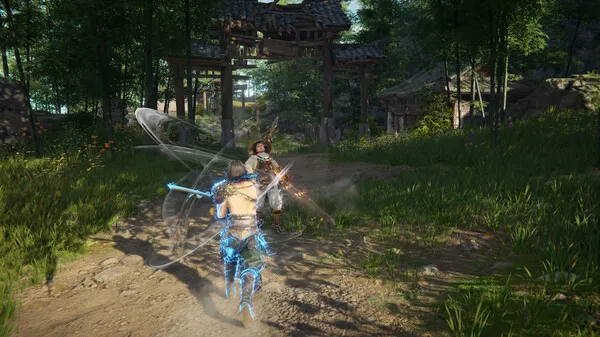
The game blends melee weapon combat with ranged attacks and character abilities. Unlike traditional shooters, close-range combat is king, and timing trumps spray-and-pray tactics. The core combat system is built around a rock-paper-scissors mechanic: normal attacks beat counters, counters beat charge attacks, and charge attacks beat normal attacks. This creates a mental duel during every encounter, where anticipation and reading your opponent become vital.
Another key element is vertical mobility. Grappling hooks and free-climbing allow players to reach any part of the map. Understanding map terrain and using it for both offense and defense elevates your game beyond basic movement.
Choosing the Right Hero for You
Not all heroes play the same. Picking one that matches your playstyle sets the foundation for success.
New players might prefer Temulch or Kurumi. Temulch offers a solid defensive skill set, while Kurumi provides healing for both solo and team play. Aggressive players might lean toward Tarka Ji or Matari—both heroes thrive in close-quarters and hit-and-run tactics.
Each hero has a primary ability and an ultimate. As you gain experience, experiment with different hero builds using the Talent system. This allows you to modify how abilities behave—whether it’s reducing cooldowns or altering effects. Tailoring heroes to match your strategy gives a major edge.
Early Game Tips: Surviving the First Drop
The early game sets the tone. A smart start can secure better weapons and positioning for later stages.
Pick a drop location based on your comfort level. Hot zones offer the best loot but also the most competition. If you're new, choose outer edges of the map to avoid early confrontations. Loot efficiently—grab a melee weapon, armor, healing items, and a ranged weapon. Prioritize armor and health over aggressive gear in your first few minutes.
Stay aware. Use audio cues to detect nearby players. If you hear a fight, either avoid it or sneak in after it ends to third-party. Managing risk here is key—it's better to survive and loot than chase early kills without a plan.
Mid-Game Focus: Map Awareness and Rotations
Once the initial chaos dies down, the mid-game is all about moving intelligently and picking the right fights.
Watch the shrinking circle and plan your path toward safe zones early. Avoid traveling through open fields or predictable paths. Use rooftops, trees, or cliffs for movement. Staying high grants vision and options to escape or engage.
If you're playing trios or duos, regroup and assess your team’s gear. Share healing items and coordinate ultimates. Avoid splitting too far. A solo player caught by an organized squad will almost always lose. Move as a team and rotate with caution.
Combat Tactics: How to Win 1v1s and Team Fights
Combat in NARAKA rewards timing, precision, and knowledge. Winning duels isn’t about button-mashing—it’s mental.
In 1v1 fights, mix up your attacks. Don’t be predictable with charge attacks or counters. Use feints—start a charge and cancel it into a dodge or normal attack to bait your opponent. Learn how each weapon behaves; for example, spears have range and fast pokes, while greatswords are slower but deadly.
In team fights, play your role. If you’re Kurumi, focus on healing and positioning. If you’re a frontliner like Tianhai, use your size to disrupt enemy spacing. Always track enemy ultimates and save your own for game-changing moments. Communication and synergy are what win team engagements.
Mastering Weapons and Souljades
Each weapon has a distinct combo system. Mastering one or two weapons is better than using all of them poorly.
Start with the Katana or Longsword. They’re well-balanced and great for learning timings. Once confident, explore advanced options like Nunchucks, Dagger, or the Pole Sword. Practice combos in the training ground and memorize hit-confirm timings.
Souljades modify your abilities and damage. Prioritize weapon-specific Souljades like “Spear Flip Kick” or “Katana Sap.” Don’t ignore general ones like Health Boost, Attack Souljade, or Grapple Spool. Customize your Souljade setup mid-match depending on how you’re performing and your opponents’ strengths.
Late Game Strategy: Patience and Positioning
The final zones are where good players shine and bad habits get punished. It’s about control and discipline.
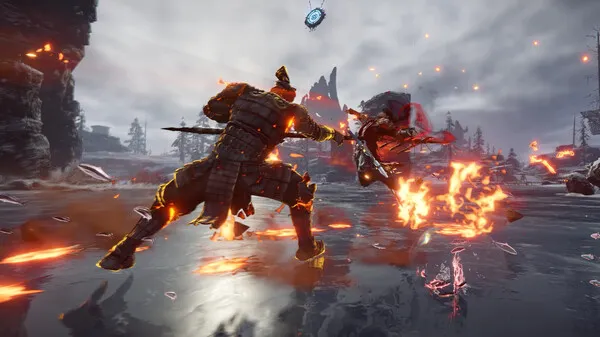
Avoid unnecessary fights when the zone is small. Third-partying becomes more dangerous as everyone is well-equipped. Position yourself with terrain advantages, such as behind walls, cliffs, or buildings. Stay hidden and force others to fight first.
Keep your healing topped up and armor repaired. If you're in a 1v1 final, try baiting enemy attacks and punish their mistakes. Don’t rush; keep your cool and play mind games with feints, dodges, and mix-ups.
Team Play: Communication and Composition
Winning in duos and trios requires more than individual skill—it’s about coordination and synergy.
Communicate constantly. Call out enemy locations, Souljade drops, and ultimate statuses. Use the ping system if voice chat isn’t an option. Stick together and don’t wander off alone unless you're confident in winning solo fights.
Build a well-rounded team. Combine damage dealers, support, and crowd control heroes. For example, a team with Kurumi (healing), Temulch (defense), and Yoto Hime (damage) can dominate most squad fights. Learn to chain ultimates for maximum disruption.
Customizing Glyphs and Talents for Your Style
Beyond weapons and abilities, customization systems like Glyphs and Talents can define your strategy.
Glyphs offer passive boosts to energy, stamina, cooldown reduction, and more. Use Origin Glyphs early to get a balance, then specialize once you find your hero and weapon preferences. Popular builds often include stacks in “Lunar” and “Omni” for stamina and attack speed.
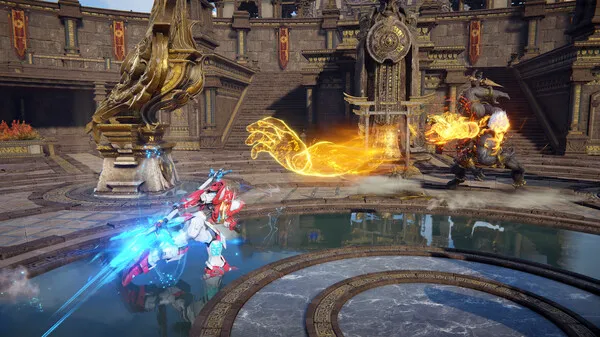
Talents modify how your skills behave. For instance, Tarka Ji’s fireball can be adjusted for more damage or faster cooldown. Experiment with all Talent branches in training and find what feels right for you. The best players adapt builds to match both their style and the current meta.
Daily Practice Routine and Long-Term Improvement
Improvement in NARAKA: BLADEPOINT isn’t instant—it comes with steady, focused practice.
Start each session in the training ground. Warm up with combos, dodging drills, and counters. Spend at least 10 minutes doing 1v1 training against AI. Rotate through weapons to stay flexible. After a few matches, watch a replay and analyze what went wrong.
Set goals: maybe today you want to land more successful counters or win more early game fights. Use these goals to track your progress and avoid stagnation. Learning never stops, even at the top levels. Watch streamers, join community events, and keep evolving.
Conclusion
NARAKA: BLADEPOINT is deep, fast-paced, and rewarding for those who invest the time to master it. Whether you’re playing solo or in a squad, understanding your hero, refining your combat skills, and planning your movements can lead you to consistent victories. Use this guide as a foundation, build your own style, and face each battle with confidence. The path to mastery is never easy—but it's always thrilling.