





Once Human, the post-apocalyptic survival game developed by Starry Studio, promised a rich blend of exploration, crafting, and combat in a world twisted by cosmic horrors. With its unique aesthetic and ambitious multiplayer features, it quickly attracted a passionate player base. However, beneath its compelling surface lies a growing fracture—technical instability. This article dives deep into the most persistent and damaging issue plaguing Once Human: the accumulation of bugs and poor netcode performance. Through a chronological and thematic breakdown, we’ll explore how these problems evolved, their impact on gameplay, and the community’s response.
The Beta Glow: Early Optimism and Hidden Cracks
Once Human’s closed beta drew attention for its atmospheric world and intriguing mechanics. Players were excited by the blend of survival and supernatural elements, and the game’s visual polish suggested a promising future.
Early Praise
- Unique setting and lore
- Fluid combat mechanics
- Engaging crafting and territory systems
But beneath the surface…
Even in beta, players reported issues with server stability, character desyncs, and occasional item loss. These were dismissed as typical beta hiccups, but they foreshadowed deeper systemic flaws.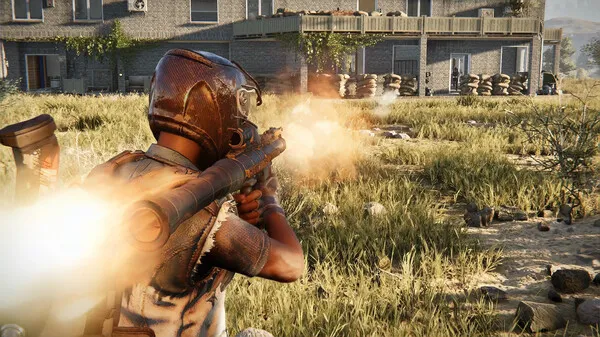
Launch Day Chaos: Server Woes and Missing Characters
Upon official release, Once Human faced immediate backlash due to missing servers and character data. Players logging in found their previously created characters gone, and server lists incomplete.
Symptoms of a Deeper Problem
- Character slots showing 0/10 despite prior progress
- Inability to access preferred servers
- Delayed or failed logins
Developer Response
The team acknowledged the issue and launched an investigation. However, the damage was done—many players lost hours of progress and trust in the game’s infrastructure.
Deposit Disaster: Item Loss in Storage Systems
One of the most disruptive bugs involved the deposit function. Players attempting to store items in vaults or territory modules found their gear vanishing.
Impact on Gameplay
- Loss of rare weapons and crafting materials
- Inability to progress due to missing quest items
- Frustration and abandonment of play sessions
Compensation and Fixes
Developers promised item restoration and compensation, but the fix rollout was slow. For a survival game, where inventory is everything, this bug was catastrophic.
Territory Turmoil: Vanishing Bases and Resources
Relocating territory—a key mechanic in Once Human—triggered another major bug. Entire player-built structures and resources disappeared upon moving.
Player Fallout
- Hours of building wiped out
- Resource farming rendered meaningless
- Loss of motivation to engage with territory mechanics
Patch Attempts
While some fixes were deployed, many players never recovered their original builds. The emotional investment in base-building made this bug particularly demoralizing.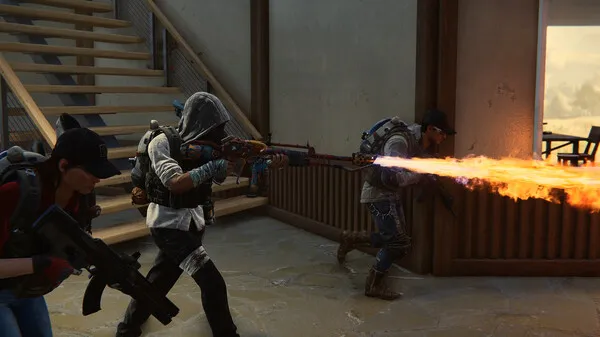
The Netcode Nightmare: Lag, Desync, and High Ping
Once Human’s multiplayer experience is heavily reliant on stable netcode. Unfortunately, players reported persistent lag, desync issues, and inexplicably high ping—even on nearby servers.
Technical Breakdown
- Poor server optimization
- Inconsistent packet delivery
- Lack of regional server support
Comparative Frustration
Players noted better performance in other games like Space Engineers, even on international servers. Once Human’s netcode became a bottleneck for its core gameplay loop.
Cosmetic Controversy: Loot Crates and Gambling Allegations
Beyond bugs, the monetization model drew criticism. Cosmetic loot crates offered randomized rewards, leading to accusations of gambling mechanics.
Ethical Concerns
- Targeting younger audiences via mobile ads
- Lack of transparency in drop rates
- Legal gray areas in multiple countries
Community Backlash
Players demanded direct purchase options and clearer odds. The loot crate system further alienated a player base already frustrated by technical issues.
Class Confusion: RPG Mechanics in a Survival Sandbox
The introduction of class systems sparked debate. Survival games traditionally avoid rigid roles, favoring emergent gameplay. Once Human’s class system felt out of place.
Design Dissonance
- Classes limit player freedom
- Role-based mechanics clash with sandbox ethos
- Confusion over intended gameplay style
Identity Crisis
Players urged developers to “pick a lane.” The game’s identity—survival or RPG—became muddled, weakening its design coherence.
Community Exodus: Declining Player Engagement
As bugs piled up and updates failed to address core issues, the player base began to dwindle. Veteran players reported that only a handful of friends still logged in.
Signs of Decline
- Empty servers and ghost towns
- Reduced social interaction
- Cosmetic purchases plummeting
Developer Disconnect
Despite patch notes and bugfix announcements, many players felt unheard. The lack of meaningful engagement led to a slow but steady exodus.
Eternaland Isolation: A Broken Endgame
Once Human’s endgame zone, Eternaland, was meant to be a hub for creativity and community. Instead, it became a refuge for disillusioned players who no longer engaged with the core game.
What Went Wrong
- Lack of meaningful content in Eternaland
- No incentives to return to the main world
- Social features underutilized
Symbol of Stagnation
Eternaland became a metaphor for the game’s state—visually impressive but functionally hollow. Players built in isolation, disconnected from the survival loop.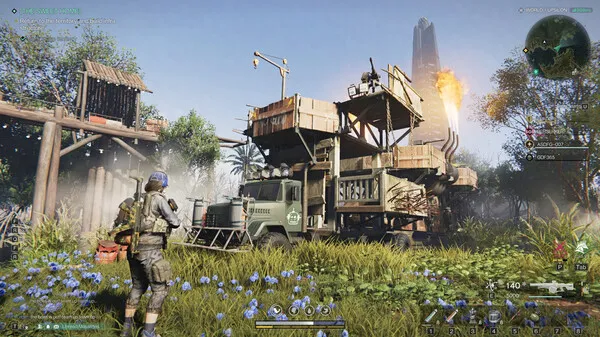
A Glimmer of Hope: Bugfixes and Roadmap Promises
In September 2024, developers released a series of bugfixes addressing feedback platform issues and interaction bugs. While minor, these updates signaled a renewed commitment.
Patch Highlights
- Restored feedback portal
- Fixed Dracaena tree interaction
- Promised future stability improvements
Too Little, Too Late?
While appreciated, these fixes didn’t address the game’s core problems. The community remains skeptical, waiting for deeper systemic overhauls.
Conclusion
The Verdict: A Survival Game on Life Support
Once Human’s vision was bold, but its execution faltered under the weight of technical instability. From missing characters to vanishing bases, broken netcode to controversial monetization, the game’s core experience has been repeatedly undermined. While the developers have shown signs of responsiveness, the damage to player trust and engagement is profound. For Once Human to survive, it must prioritize stability, transparency, and community-driven design. Until then, it remains a cautionary tale of ambition outpacing infrastructure