
Introduction
Rematch is a fast-paced competitive game that thrives on strategy, timing, and adaptability. Whether you’re dueling one-on-one or engaging in a team-based mode, the key to victory lies in how well you prepare, execute, and adapt to your opponent’s moves. The thrill of the game is not just in winning but in the way each battle feels like a chess match infused with action, forcing you to anticipate, counter, and rematch with smarter tactics.
This guide is designed to give players—both beginners and veterans—a comprehensive breakdown of how to approach Rematch effectively. From mastering the fundamentals of movement and combat to developing advanced strategies for each match phase, this article will equip you with the tools needed to improve your performance and dominate your opponents.
1. Getting Started: The Basics of Rematch
Before diving into advanced strategies, you must understand the basic rules and mechanics.
Core Gameplay Elements
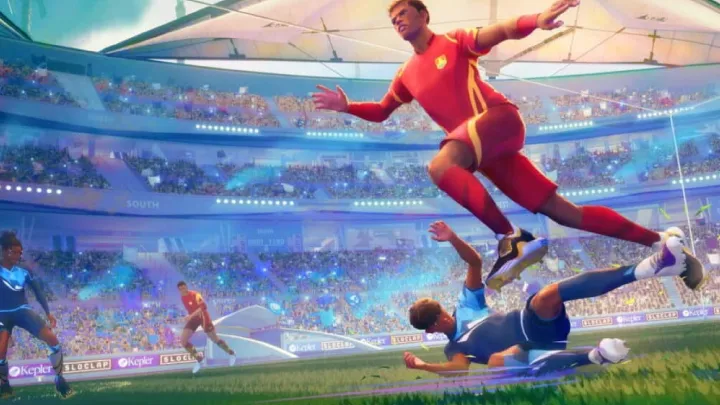
Rematch centers around structured matches where two or more opponents face off. The goal is simple: defeat your rival by outplaying them. Success depends on combining reflexes with strategy.
Game Objectives
- Outmaneuver opponents with smart positioning.
- Build consistency by learning move patterns.
- Adapt after each round, making the rematch more strategic than the first.
Mastering the fundamentals early ensures you have the foundation to grow.
2. Character Selection and Playstyles
Your choice of character defines your style. Each one comes with strengths and weaknesses.
Balanced Characters
Best for beginners—offer a mix of speed, defense, and attack.
Specialized Characters
- Aggressive types: High attack power but low defense.
- Defensive types: Strong survivability, slower pace.
- Utility types: Flexible skills but require mastery.
Choosing a character that aligns with your personality ensures consistent performance.
3. Movement and Positioning
Movement is the foundation of Rematch. How you move determines how well you can dodge, attack, and bait opponents.
Fundamental Movement Skills
- Dodging: Side-step or roll to avoid damage.
- Spacing: Keep optimal distance for your character’s strengths.
- Feints: Fake a move to draw out opponent actions.
Positioning Advantage
Strong positioning allows you to control the pace of the match. High ground, corners, and neutral zones all matter in determining who controls the battle flow.
4. Mastering Offensive Techniques
Attack strategy isn’t just about striking—it’s about timing and prediction.
Light vs. Heavy Attacks
- Light attacks: Quick but weaker, great for pressuring.
- Heavy attacks: Slower but deal significant damage.
Combos
Learning how to chain attacks ensures maximum efficiency. Start small, then practice more advanced link-ups as your timing improves.

5. Defensive Play and Countering
Defense in Rematch is not passive—it’s strategic. Smart defense often opens the door to victory.
Blocking and Guarding
Blocking reduces damage and creates counter-attack opportunities.
Counters
Well-timed counters turn enemy aggression into your advantage. Study common attack patterns and exploit them.
6. Understanding Match Phases
Every match evolves in phases: opening, mid-game, and endgame.
Opening Phase
- Test opponent reactions.
- Establish your tempo.
Mid-Game
- Adapt strategies.
- Identify weaknesses.
Endgame
- Play with precision.
- Conserve energy and wait for decisive moments.
Knowing how to transition between phases helps you stay one step ahead.
7. Advanced Tactics for Competitive Play
Once you understand the basics, advanced tactics will help you outsmart stronger opponents.
Mind Games
Use psychological tricks like baiting, fake retreats, and surprise attacks.
Adaptation
No two matches are the same. Take note of opponent habits and switch your approach accordingly.
8. Practicing and Training Effectively
Skill growth requires consistent practice.
Training Modes
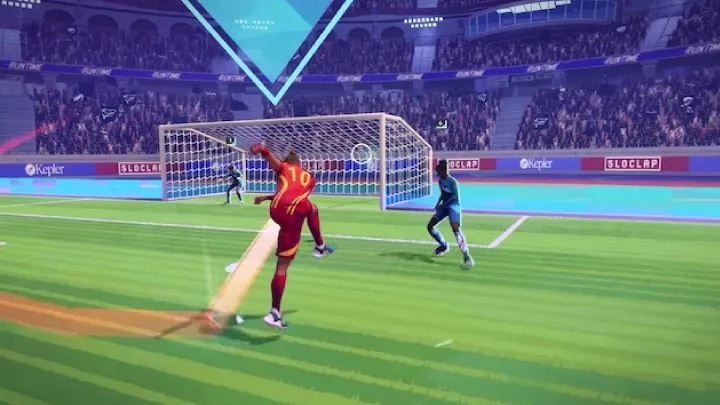
Use practice arenas to sharpen timing, combos, and reaction speed.
Building Habits
- Review match replays.
- Focus on one weakness per session.
- Train consistently rather than in long, infrequent bursts.
9. Multiplayer and Team Strategies
Rematch shines in multiplayer modes, where coordination and synergy become vital.
Team Play Essentials
- Communicate constantly.
- Assign roles (attacker, defender, support).
- Cover each other’s weaknesses.
Synergy Tactics
Pair characters with complementary abilities. A defensive tank combined with a quick striker can create powerful team dynamics.
10. Mental Focus, Endurance, and Growth
Winning consistently requires more than mechanics—it requires mindset.
Staying Calm Under Pressure
Nervousness can ruin execution. Stay calm, breathe, and focus on fundamentals.
Endurance Training
Matches can be physically and mentally draining. Take breaks, stay hydrated, and avoid burnout.
Growth Mindset
Losses are opportunities. Each rematch is a chance to refine your strategies and become stronger.
Conclusion
Rematch is more than just a game—it’s a battle of wits, reflexes, and adaptability. To master it, you need to build solid foundations in movement and strategy, refine your offensive and defensive skills, and adapt your playstyle based on the flow of each match. With dedication and smart practice, you can evolve from a casual player into a formidable competitor.
Whether playing solo duels or intense team battles, remember that every defeat is a lesson, and every rematch is a new opportunity. Keep practicing, stay motivated, and you’ll discover just how thrilling it feels to grow stronger with every match.