



Introduction
R.E.P.O. is more than a sci-fi survival game. At its core, it is about the psychological burden of isolation in a world where technology, duty, and loneliness collide. Many players step into the game expecting alien threats or mechanical puzzles, but they quickly realize the real challenge is maintaining composure when silence and solitude weigh on the human mind. This article explores how isolation develops as a critical issue in R.E.P.O., examining its impact on gameplay, narrative, and emotional immersion across ten stages of the player’s journey.
First Encounter with Silence
The first thing players notice when beginning R.E.P.O. is the absence of overwhelming sound. Unlike many action-driven games, this one introduces quiet halls, minimal music, and a chilling echo of footsteps. This silence is not just an aesthetic choice but a design strategy. It pushes players to recognize that emptiness is itself an enemy.
The silence also magnifies every small sound. A machine whirring in the distance or a faint knock becomes enough to cause tension. This design technique sets the stage for a long journey where isolation is more threatening than combat.
The Role of Empty Space in Game Design
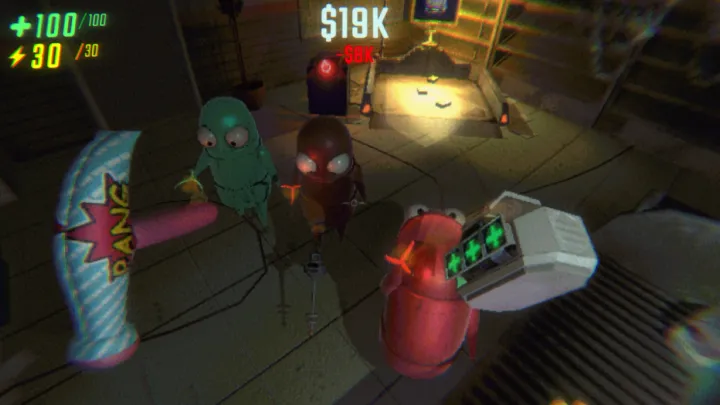
R.E.P.O. uses empty environments as psychological triggers. Vast rooms with little interaction make the player hyper-aware of their loneliness. These spaces are designed not to be boring but to amplify vulnerability.
Developers have used lighting and geometry to strengthen this effect. Narrow corridors feel suffocating, while large abandoned areas highlight abandonment. The contrast creates a cycle of unease where the player never feels secure.
Technology as a False Companion
Players rely heavily on devices and AI in R.E.P.O. Yet, these technological tools do not remove loneliness—they emphasize it. A robotic assistant may provide navigation, but it lacks empathy. This absence of human response makes every interaction mechanical, which reinforces detachment.
In many moments, players may find themselves talking out loud to screens or imagining responses from the AI. This human instinct to seek companionship becomes a reminder of how deeply isolation cuts.
Isolation as a Narrative Driver
The storyline of R.E.P.O. does not drown players in lore at the start. Instead, it slowly reveals through logs, recordings, and fragmented transmissions. The scarcity of voices makes every human message feel invaluable. Players cling to scraps of communication because they remind them they are not completely alone.
This narrative pacing mirrors real psychological survival scenarios. When isolated, even small contact becomes crucial to maintain hope. R.E.P.O. replicates this by limiting narrative clues, making players desperate for human presence.
Emotional Patterns Across Time
The emotional response to isolation in R.E.P.O. evolves over time.
Early Hours
Players experience curiosity and tension, intrigued by the emptiness but not yet overwhelmed.
Mid Game
The silence grows oppressive. Many begin to feel restless, noticing stress responses such as hyper-alertness or unease.
Later Stages
Some players report feelings of emotional exhaustion, where they almost want confrontation just to break the monotony. This intentional pacing demonstrates how isolation shapes not only the story but the player’s psychology.
Coping Mechanisms Inside Gameplay
Players often create coping strategies unconsciously.
- Pattern Making: Repeatedly checking the same corners or doors.
- Sound Creation: Jumping, firing, or creating noise just to fill silence.
- Attachment to Objects: Treating tools or machines as companions.
These strategies show how R.E.P.O. forces players to reflect real human survival instincts. It is not scripted but emerges naturally from gameplay.
Multiplayer Comparisons
Interestingly, players who jump from multiplayer-heavy games like Fortnite or Valorant to R.E.P.O. feel the shock more intensely. The absence of human voices or team chatter exaggerates the sense of isolation.
This comparison highlights how dependent modern gamers have become on constant interaction. R.E.P.O. strips that away, forcing self-reliance and introspection.
The Link Between Isolation and Fear
Fear in R.E.P.O. does not always come from monsters or enemies. It emerges when the player’s brain begins to fill the gaps of silence. Shadows move where nothing exists. Noises sound hostile even if they are harmless.
By placing isolation at the center, the game proves that fear is not always external. The scariest enemy is often the mind under pressure.
Lessons from Real-World Parallels
The psychological impact in R.E.P.O. mirrors studies on astronauts, submarine crews, and explorers. All of them face challenges in maintaining mental stability when isolated from human contact.
The game acts as a simulation, allowing players to experience the weight of solitude without real danger. This parallel makes R.E.P.O. not only entertaining but a reflection of human psychology under extreme conditions.
Long-Term Emotional Impact on Players
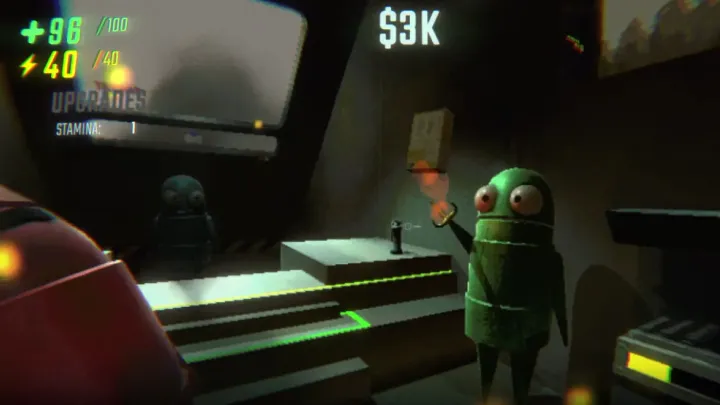
Many players report remembering R.E.P.O. not for its combat, but for the emotions it created. The loneliness stays with them even after finishing the campaign.
This demonstrates how a game can extend its influence beyond playtime. R.E.P.O. does not just entertain—it leaves a mark, reminding players of human fragility in isolation and the desperate need for connection.
Conclusion
R.E.P.O. transforms isolation from a passive background detail into an active force that defines the entire experience. Through silence, space design, technology, and pacing, it teaches players that loneliness can be more terrifying than any physical enemy. The issue of isolation is not just a theme—it is the heartbeat of the game, shaping every decision and every moment of unease. Ultimately, R.E.P.O. proves that the greatest battle is not with external threats but with the mind itself.