



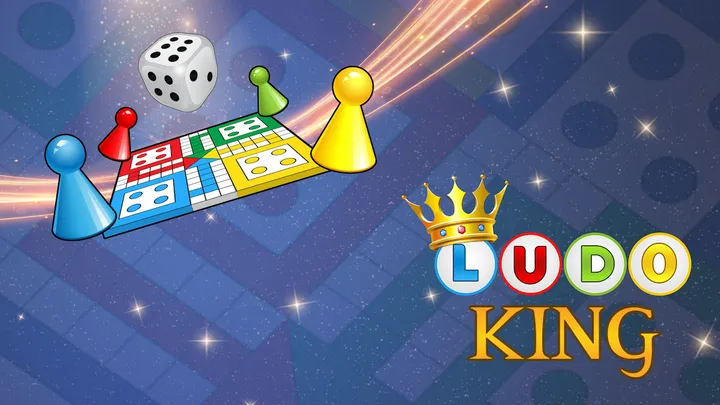
Ludo King revived an ancient board game and turned it into a mobile phenomenon. With over a billion downloads worldwide, it became more than a casual app — it’s a cultural staple across generations. But at its heart lies a frustrating paradox: is victory in Ludo King about smart moves, or just lucky dice?
This debate shapes how players experience the game. Some embrace the randomness as part of the fun, while others feel cheated when skillful play crumbles under bad rolls. In this article, we’ll dive deeply into how Ludo King balances chance and choice, the psychology behind its design, and what this means for its long-term sustainability.
1. The Ancient Roots of Ludo
Ludo originates from Pachisi, an ancient Indian game that relied on dice and movement. Luck has always been a factor.
Traditional design principles
- Movement controlled by dice.
- Limited player agency.
- Slow progression with long play sessions.
Ludo King kept these elements but sped up the pace for mobile audiences, making it more accessible — yet it inherited the same randomness problem.
2. Why Randomness is Fun
At first, dice rolling is exciting. Each roll brings suspense, surprise, and hope.
- Instant drama: every turn could change the outcome.
- Accessibility: even beginners can beat veterans with a lucky streak.
- Social laughter: unpredictable outcomes create memorable moments among friends.
This fun factor explains why Ludo King thrives as a social game, especially in families.
3. When Luck Turns into Frustration
Over time, randomness stops feeling fair. Skilled players who plan ahead often feel punished.
- Losing despite stronger positioning.
- Watching opponents get constant sixes.
- Feeling powerless in long matches.
This perception of unfairness is the central tension driving debates around Ludo King.
4. Strategy Still Exists
Despite the dice, there is strategy in Ludo King. Players make meaningful choices:
- Which token to move: balancing safety vs. aggression.
- When to risk exposure: leaving tokens vulnerable to progress faster.
- Blocking and targeting: controlling opponent paths.
Good players maximize probabilities, but luck can still overshadow skill.
5. Online Play Intensifies the Debate
In digital form, the perception of fairness becomes even more complicated.
Issues unique to online play
- Accusations of rigged dice rolls.
- Frustration with algorithm-driven randomness.
- Shorter attention spans highlighting unfair streaks.
Players sometimes blame the system itself, even when outcomes are mathematically fair.
6. Psychological Hooks of Randomness
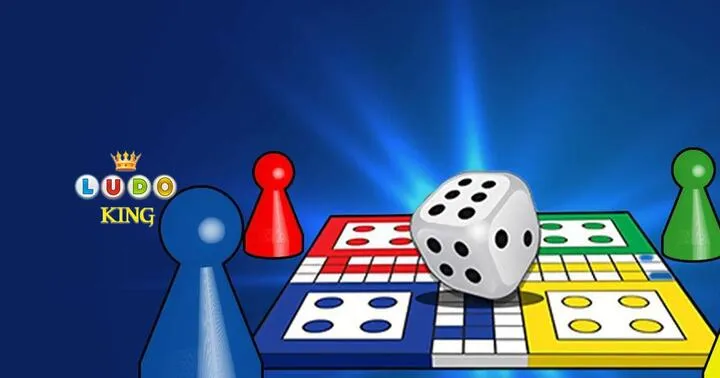
Randomness keeps players engaged by exploiting psychological patterns.
- Near misses: getting a “5” when you need a “6” fuels repeated play.
- Variable rewards: unpredictable wins trigger dopamine release.
- Social rivalry: chance-driven wins make players want “revenge matches.”
This blend of hope and frustration explains the game’s stickiness.
7. Social Dynamics of Luck vs. Skill
Because Ludo King is often played with friends and family, the perception of luck impacts social interactions.
H4: Positive dynamics
- Lucky streaks create laughter and bonding.
- Children or beginners can beat adults.
Negative dynamics
- Arguments over fairness.
- Accusations of favoritism in digital dice.
- Reduced sense of accomplishment for skillful players.
Ludo becomes not just a game, but a social experiment in fairness.
8. Competitive Potential: A Blocked Path
Unlike chess or esports, Ludo King cannot easily become a serious competitive game.
- Randomness dominance: tournaments would feel unfair.
- No consistent skill expression: luck overshadows strategy.
- Viewer experience: hard to enjoy watching random outcomes.
Its competitive ceiling is capped by its core design.
9. How Developers Handle the Dilemma
Gamotronix, the creators of Ludo King, tried to balance fun and fairness without changing the core too much.
Adjustments they’ve made
- Faster games with timers.
- Online matchmaking to reduce wait times.
- Cosmetic and social features to shift focus away from pure outcome.
Yet the dice randomness remains untouchable — changing it would break the identity of the game.

10. The Future of Luck-Driven Games
The question is: can Ludo King sustain itself if players grow weary of luck?
Possible evolutions
- Hybrid modes that reduce randomness (e.g., controlled dice rolls).
- Skill-based variants for competitive audiences.
- Enhanced social features to emphasize fun over fairness.
Ultimately, Ludo King thrives not because it’s fair, but because it mirrors real life — unpredictable, frustrating, but endlessly replayable with the right people.
Conclusion
Ludo King embodies the timeless tension between luck and skill. Its randomness fuels laughter, suspense, and inclusivity, but also triggers frustration and accusations of unfairness. Unlike strategy-heavy games, it survives not by rewarding mastery but by embracing unpredictability.
For some, that unpredictability is the fun. For others, it’s a deal-breaker. Either way, Ludo King has proven that in mobile gaming, sometimes chaos is the key to success.