






Russian Fishing 4 (RF4) is a deep and rewarding fishing simulator that challenges players with realistic mechanics, dynamic environments, and a complex progression system. Whether you're just starting out or grinding for trophy fish, knowing the right tips and strategies can make the difference between frustration and success. This guide walks you through the game chronologically—from your first cast to advanced techniques—offering practical advice, gear recommendations, and silver-saving strategies.
Getting Started: Cottage Pond Essentials
Cottage Pond is your first fishing location and the perfect place to learn the basics. You’ll begin with a simple float rod, basic bait like bread or worms, and limited silver. Focus on catching roach, gudgeon, and crucian carp—these species are abundant and easy to land.
Use the cafe orders to maximize silver early on. These orders reward specific fish types and sizes, often paying more than selling fish directly. Also, explore the interface: learn how to equip gear, manage inventory, and read the map.
Beginner checklist:
- Use float rods with bread or worms
- Prioritize cafe orders for silver
- Learn hotkeys and inventory management
Conclusion: Cottage Pond is your training ground—master the basics here to build a strong foundation.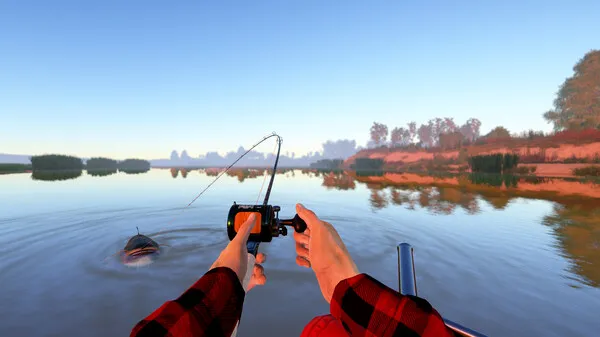
Leveling Up: Efficient Progression and Lake Unlocks
As you gain experience, new lakes unlock, each with unique fish and challenges. Mosquito Lake (Level 8) introduces bottom fishing and larger species. Kuori Lake (Level 12) offers predator fishing and trolling opportunities.
Don’t rush to new lakes without proper gear. Travel costs silver, and underpowered setups can lead to broken lines and wasted bait. Research each lake’s hotspots and recommended setups before visiting.
Lake unlock timeline:
- Level 8: Mosquito Lake
- Level 12: Kuori Lake
- Level 18+: Bear Lake, Volkhov River
Conclusion: Progression is about preparation—unlock lakes strategically and upgrade gear accordingly.
Gear Progression: What to Buy and When
RF4’s gear system is realistic and unforgiving. Rods, reels, lines, and hooks all affect your success. Start with budget gear, but gradually upgrade to mid-tier setups like Syberia Sabre reels and Everest rods.
Avoid overspending early. Focus on gear that matches your preferred technique—float, bottom, or spinning. Use community guides to compare durability, drag strength, and repair costs.
Recommended upgrades:
- Float rod → Bottom rod → Spinning rod
- Basic reel → Syberia Sabre → Everest
- Monoline → Fluorocarbon → Braided line
Conclusion: Smart gear progression saves silver and improves catch rates—invest wisely and avoid impulse buys.
Float Fishing: Mastering the Fundamentals
Float fishing is the most accessible and versatile technique. It’s ideal for catching small to medium fish like roach, tench, and crucian carp. Use fixed or slider floats depending on depth and visibility.
Experiment with bait types—bread, maggots, dough, and peas work well for different species. Adjust your depth based on fish behavior and time of day. Float fishing also levels your skill quickly.
Float fishing setup:
- Rod: Syberia Model One
- Float: Slider or fixed
- Bait: Bread, maggot, dough
Conclusion: Float fishing is reliable and efficient—perfect for early silver farming and skill leveling.
Bottom Fishing: Unlocking Bigger Catches
Bottom fishing allows you to target larger species like bream, carp, and burbot. Use feeders and sinkers to keep bait at the lakebed. Groundbait increases catch rate and attracts specific fish.
Craft groundbait using millet, fishmeal, and attractants. Match your groundbait to the species you’re targeting. Use PVA bags for carp fishing to deliver bait precisely and improve hook-ups.
Bottom fishing essentials:
- Rod: Heavy feeder rod
- Bait: Worms, boilies, corn
- Groundbait: Species-specific blends
Conclusion: Bottom fishing is your gateway to big fish and big silver—learn to craft and deploy groundbait effectively.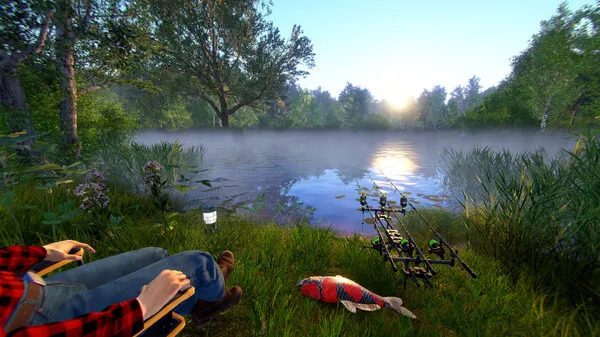
Spinning: Active Fishing for Predators
Spinning is an active technique used to catch predators like pike, perch, and zander. Use lures such as spoons, wobblers, and soft plastics. Cast and retrieve with varied speeds and patterns to trigger strikes.
Upgrade your spinning gear to handle larger fish. Use braided line for sensitivity and strength. Pay attention to lure weight and rod action for optimal casting distance and control.
Spinning setup guide:
- Rod: Fast action spinning rod
- Reel: High gear ratio
- Lures: Spoons, wobblers, soft plastics
Conclusion: Spinning adds excitement and variety—perfect for active players seeking trophy predators.
Trolling: Deep Water Techniques and Boat Fishing
Trolling involves dragging lures behind a moving boat to catch large predators like lake trout and catfish. It requires specialized gear and knowledge of lake topography. Use sonar to locate fish and adjust trolling speed accordingly.
Combine trolling with depth control rigs and heavy-duty reels. Monitor lure depth and boat speed to optimize catch rates. Trolling is most effective in deep lakes like Kuori and Ladoga.
Trolling checklist:
- Boat rental
- Heavy trolling rod
- Deep-diving lures
Conclusion: Trolling is a high-risk, high-reward technique—master it for access to the game’s largest fish.
Managing Silver: Repairs, Cafe Orders, and Efficiency
Silver is the main currency in RF4, and managing it wisely is crucial. Avoid unnecessary repairs—only fix gear when durability drops below 50%. Use multiple setups to reduce wear on individual rods and reels.
Sell fish through cafe orders for bonus silver. Participate in competitions and events for extra rewards. Avoid buying bait and gear impulsively—research before investing.
Silver-saving tips:
- Use cafe orders
- Delay repairs when possible
- Plan gear purchases
Conclusion: Smart silver management keeps you progressing without grind—play efficiently and avoid waste.
Skill Progression: Unlocking Crafting and Specialization
RF4 features a skill system where you level up techniques like float fishing, bait crafting, and cooking. Use each method regularly to gain experience. Unlock crafting recipes to make your own bait, groundbait, and lures.
Crafting reduces costs and improves catch rates. Use the campfire to cook food and boost energy. Invest skill points wisely—focus on techniques that match your playstyle and lake preferences.
Skill progression strategy:
- Float fishing → Bottom fishing → Spinning
- Bait crafting → Groundbait → PVA
- Cooking → Energy management
Conclusion: Skill progression unlocks deeper gameplay—crafting and cooking enhance efficiency and independence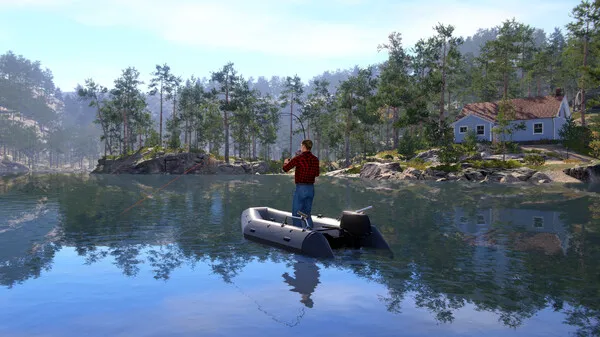 .
.
Community Resources: Staying Updated and Connected
RF4 has a vibrant community across forums, Discord, and YouTube. Join these platforms to learn from experienced players, find fishing spots, and stay updated on patches and events. Community spreadsheets and guides are invaluable.
Participate in tournaments and seasonal events for unique rewards. Share your catches and setups to help others. The game evolves regularly, so staying connected ensures you don’t fall behind.
Community resources:
- RF4 Discord servers
- YouTube tutorials
- Steam guides and forums
Conclusion: The RF4 community is your greatest asset—connect, learn, and grow with fellow anglers.
Conclusion
Russian Fishing 4 is more than just a fishing game—it’s a journey of patience, strategy, and discovery. With the right tips and guides, you can navigate its complex systems, avoid common pitfalls, and enjoy every stage of progression. Whether you’re float fishing at Cottage Pond or trolling for monsters at Kuori Lake, this guide equips you with the knowledge to succeed